
Selecting the right table linen is a crucial detail in banquet planning. It sets the tone for your event’s ambiance while needing to withstand practical demands like spills, frequent laundering, and tight turnover times. The two most common fabrics—polyester and cotton—offer distinctly different benefits.
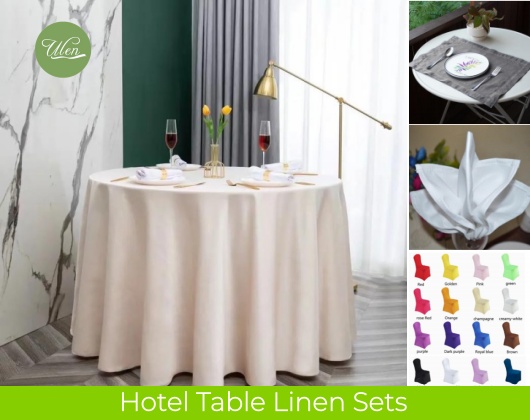
This guide breaks down the key factors to help you choose the perfect tablecloth fabric for your next banquet, balancing aesthetics, durability, and budget.
The Core Table Linen Fabric Difference: Synthetic vs. Natural
-
Polyester is a man-made, durable synthetic fiber. Its performance is engineered.
-
Cotton is a natural fiber prized for its classic feel and appearance.
Understanding this fundamental difference explains their behavior in a banquet setting.
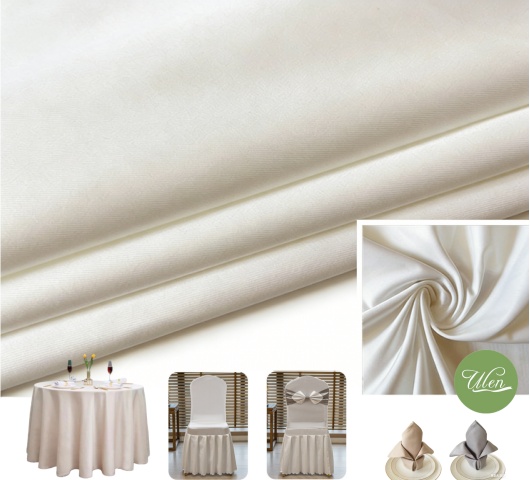
Head-to-Head Comparison: Key Decision Factors
1. Appearance & Feel
-
Cotton: Offers a luxurious, matte finish and a soft, natural drape. It embodies traditional elegance and is often preferred for high-end weddings, galas, and formal dinners.
-
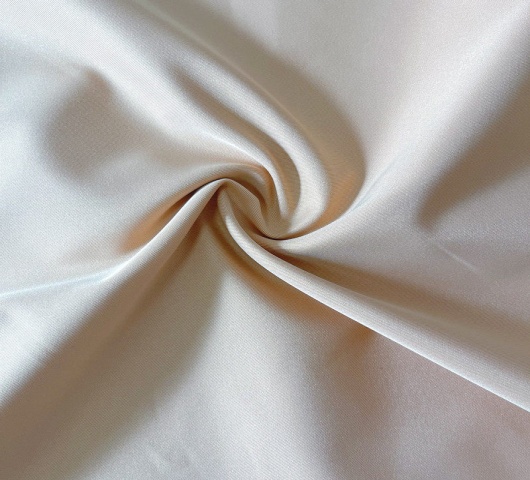
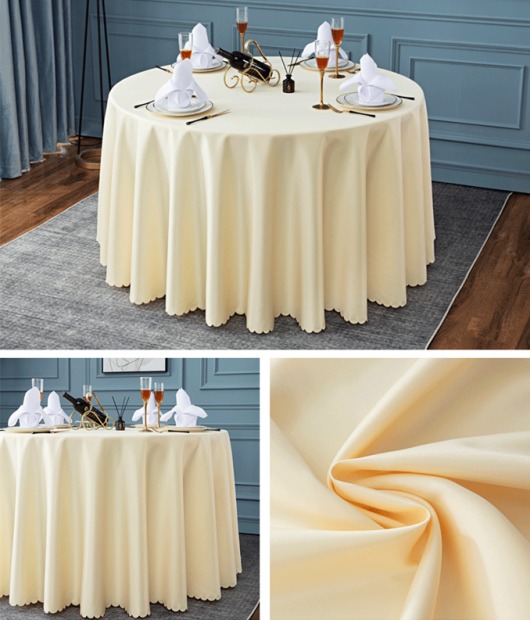
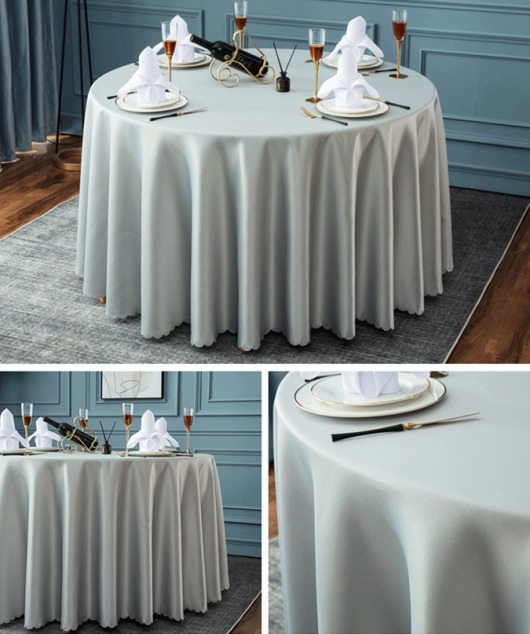
Polyester: Has a smoother, sometimes slight sheen. While premium polyesters table linens can mimic the look of cotton, the feel is often crisper. It excels in providing a consistent, neat, and “freshly pressed” look.
2. Durability & Maintenance
-
Polyester:
-
Highly wrinkle-resistant, often looking presentable straight from the dryer.
-
Stain-resistant; many spills bead up on the surface, allowing for easy blotting.
-
Colorfast and retains vibrancy longer through repeated industrial washing.
-
Dries quickly, reducing energy costs and speeding up turnaround.
-
-
Cotton:
-
Wrinkles easily and typically requires steaming or ironing for a crisp look.
-
Absorbent, which is great for spills (they don’t roll off), but can lead to stubborn stains if not treated immediately.
-
Can shrink if not laundered properly.
-
Softer feel may develop pilling over many washes.
-
3. Cost Considerations
-
Initial Cost: High-quality cotton tablecloths usually have a higher upfront cost than polyester.
-
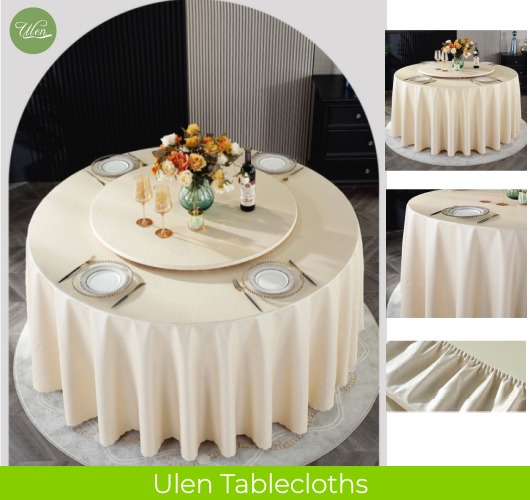
Lifetime Cost (Cost-Per-Use): Polyester generally has a lower total cost of ownership. Its superior resistance to stains, fading, and wrinkles translates to lower replacement rates and significantly lower labor/energy costs for maintenance.
4. Functional Performance
-
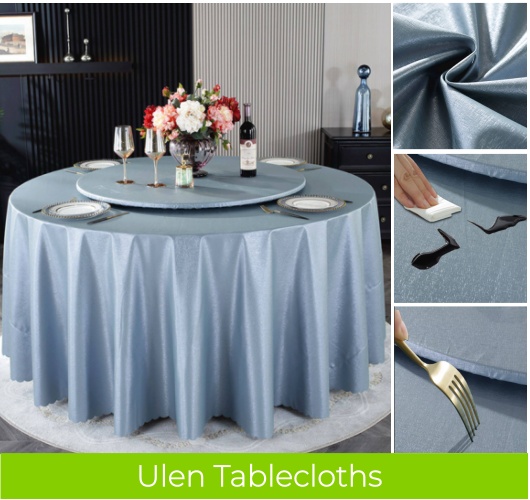
Stain Release: Polyester wins for events with high spill risk (conferences, buffets). Its synthetic fibers repel common stains like wine and oil.
-
Flame Resistance: For events with candles, inherently flame-resistant polyester is a critical safety feature. Cotton is highly flammable unless treated.
-
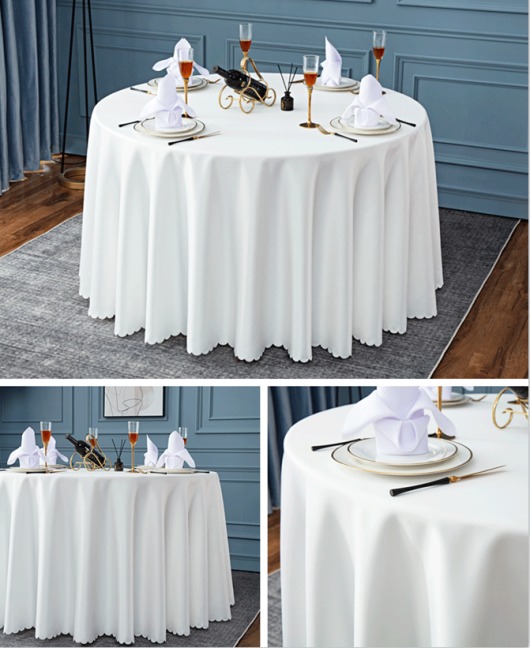
Drape & Weight: Cotton tends to be heavier with a fuller drape. Polyester is lighter, which can be advantageous for long tables but may require better anchoring in drafty spaces.
Decision Guide: Which Fabric is Right for Your Banquet?
Choose Premium Polyester Tablecloths If:
-
Your priority is durability, easy care, and budget control.
-
You host high-volume events like corporate conferences, trade shows, or daily breakfast buffets.
-
You need quick turnaround between events with minimal labor for pressing.
-
Stain resistance and flame retardancy are important safety and practical concerns.
Choose Cotton Tablecloths If:
-
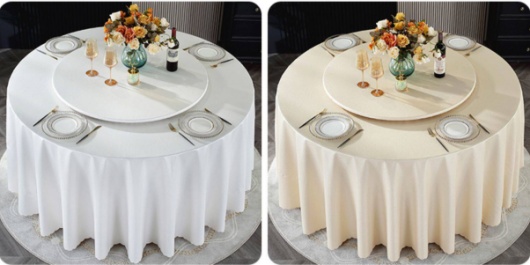
Unmatched elegance and a natural, luxurious feel are the top priorities for events like weddings, award ceremonies, or fine-dining galas.
-
You have the resources (time, labor) for proper steaming and stain pretreatment.
-
The event is shorter in duration, with less risk of major spills.
-
Your brand or venue aesthetic is built on traditional, high-end natural materials.
Pro Tip: Don’t Overlook the Blend
Many hotels find the ideal solution in a polyester-cotton blend (e.g., 65% polyester, 35% cotton). This fabric aims to offer the best of both worlds: the wrinkle and stain resistance of polyester with the softer hand and improved drape of cotton. It’s an excellent middle-ground option worth testing.
Conclusion: Align Your Choice with Event Reality
The best tablecloth fabric depends on your specific event profile. For most high-traffic, cost-sensitive banquet operations, polyester provides superior practicality and long-term value. For exclusive, image-driven events where luxury is paramount, cotton remains the classic choice.
Action Step: Before your next large order, request fabric swatches and a sample hotel tablecloths linen from your supplier. Test it with common banquet spills (coffee, red wine, dressing) and run it through your laundry process. Seeing and feeling the difference will make your decision clear.
1. Which tablecloth fabric is more durable for high-volume banquet events?
Polyester is significantly more durable for high-volume banquets. It withstands 300+ industrial wash cycles without fraying, fading, or shrinking, while cotton typically lasts only 150–200 cycles. Polyester also resists stains and wrinkles, reducing replacement frequency and labor costs.
2. Do polyester tablecloths look cheap compared to cotton?
Not anymore. Premium polyester table linens are engineered to mimic the matte finish and soft drape of cotton. While cotton offers a traditional, luxurious feel, high-quality polyester provides a crisp, consistent, “freshly pressed” look that suits both formal and casual banquets—without the wrinkles.
3. Are cotton tablecloths worth the higher maintenance cost?
Cotton tablecloths are worth it only for high-end, image-driven events (weddings, galas, fine dining) where unmatched natural elegance is the priority. However, they require ironing, stain pre-treatment, and careful laundering—costs that add up. For most banquet operations, the lower cost-per-use of polyester makes it the smarter financial choice.
4. Which fabric is more stain-resistant for buffets and high-spill events?
Polyester is far more stain-resistant. Its synthetic fibers cause liquids like wine, coffee, and oil to bead up on the surface, allowing staff to blot spills before they set. Cotton absorbs liquids immediately, leading to stubborn stains that may become permanent without immediate treatment.
5. How do cotton and polyester compare in wrinkle resistance?
Polyester is highly wrinkle-resistant—tablecloths often look presentable straight from the dryer, eliminating ironing labor. Cotton wrinkles easily and typically requires steaming or ironing for a crisp presentation, adding significant labor costs and slowing event turnaround.
6. What is the cost-per-use difference between cotton and polyester tablecloths?
Calculate cost-per-use = purchase price ÷ expected wash cycles.
Example: A $20 cotton cloth lasting 150 cycles costs $0.133 per use. A $18 premium polyester cloth lasting 350 cycles costs $0.051 per use—a 62% reduction. Polyester also saves ironing and stain treatment labor, further improving ROI.
7. Are flame-retardant tablecloths required for banquets, and which fabric is safer?
For events with candles or open flames, inherently flame-resistant polyester is the safest and most practical choice. Cotton is highly flammable unless treated with topical chemicals that wash out over time. Polyester with inherent FR protection never loses its flame resistance, ensuring compliance with NFPA 701, BS 5852, or CAL 117 standards.
8. Which fabric dries faster and reduces laundry energy costs?
Polyester dries significantly faster than cotton—often in half the time. This reduces energy consumption, accelerates linen turnaround between events, and allows hotels to operate with lower par levels. Faster drying also minimizes the risk of mildew in humid storage conditions.
9. Can guests tell the difference between high-quality polyester and cotton table linens?
At typical banquet distances, most guests cannot distinguish premium polyester from cotton. Only upon close touch might a trained observer notice polyester’s slightly crisper feel. For the vast majority of events—including corporate functions and weddings—polyester delivers a professional, elegant appearance that satisfies clients.
10. What is the best tablecloth fabric for outdoor banquet events?
Polyester is superior for outdoor events. It resists wind-borne stains, dries quickly after unexpected rain, and doesn’t wrinkle from humidity. Cotton absorbs moisture, becomes heavy, wrinkles excessively, and may develop mildew if not dried immediately.
11. Do cotton-polyester blend tablecloths offer a good compromise?
Yes. A 65/35 or 50/50 cotton-polyester blend combines the softness and improved drape of cotton with the wrinkle resistance, stain protection, and durability of polyester. Blends are an excellent middle-ground option for hotels that want natural elegance without sacrificing operational efficiency.
12. How do I test tablecloth samples before buying for my banquet hall?
Request swatches and a full sample. Perform these tests:
-
Spill test: Pour red wine, coffee, and oil. Blot after 1 minute.
-
Wash test: Launder 3–5 cycles in your commercial machine. Measure shrinkage (<5% is ideal).
-
Ironing test: See if wrinkles fall out or require pressing.
-
Light test: Hold to light—thin fabrics show excessive transparency.
13. Which fabric holds elaborate napkin or tablecloth folds better?
Polyester and cotton-polyester blends hold intricate folds (e.g., pyramid, bishop’s hat, fan) much better than 100% cotton. Polyester’s slight stiffness and crease retention keep decorative shapes intact throughout an event, while cotton’s softness causes folds to droop or relax.
14. How do I choose table linen fabric based on my banquet event type?
-
Corporate conferences, breakfast buffets, trade shows: Polyester (durability, stain resistance, quick turnover)
-
Weddings, galas, fine dining: Cotton or premium blends (elegance, natural drape)
-
Outdoor receptions, poolside events: Polyester (weather resistance, quick drying)
-
Candlelit dinners: Inherent FR polyester (safety compliance)