
Operating a hotel or B&B on a budget requires making every dollar work harder. When it comes to bath linens—the towels, robes, and mats that directly impact guest comfort—cutting costs can feel risky. Choosing poorly leads to rapid wear, negative reviews, and more frequent replacements, which ultimately costs more.
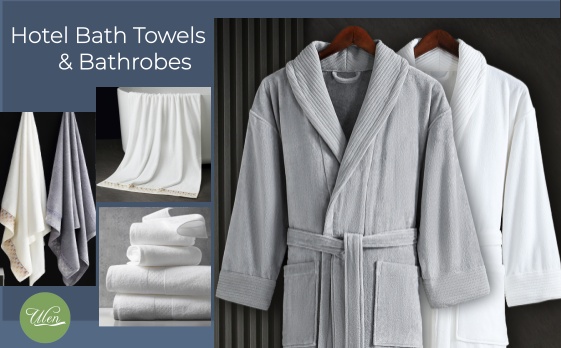
“Budget” buying in hospitality doesn’t mean buying the cheapest. It means buying smart. This ulen guide delivers actionable, strategic ways to save significant money on your bath linen procurement while protecting the quality and luxury your guests expect. Let’s transform this cost center into an example of savvy operations.
Mindset Shift: Budget for Value, Not Just Price
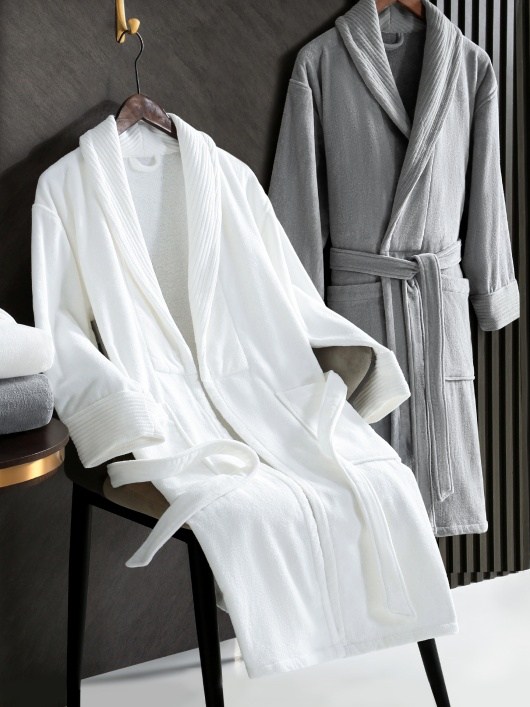
Forget the initial price tag. Focus on Total Cost of Ownership (TCO). Taking the hotel bathrobe for an example, a slightly more expensive item that lasts twice as long and maintains its quality is the true budget-friendly choice. Calculate Cost-Per-Use to compare options objectively.
Strategic Savings for Each Product Category
1. Bath Towels: Where to Save and Where to Invest
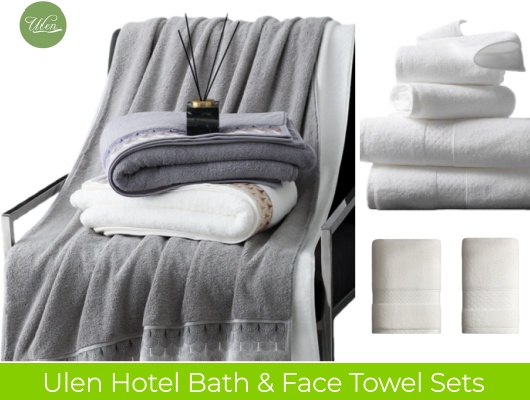
Towels are your highest-volume bath linen. Smart choices here have the biggest impact.
-
SAVE Smartly On:
-
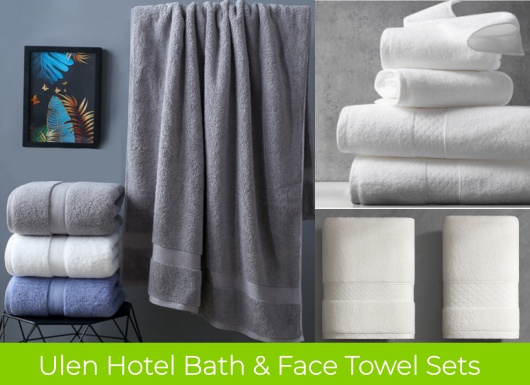
Fabric Blend: Opt for a high-quality cotton-polyester blend (e.g., 80/20) instead of 100% cotton. Blends are more durable, dry faster (saving laundry costs), resist mildew, and often have better color retention, offering a lower cost-per-use.
-
GSM (Weight): Target 450-550 GSM, not 600+. This mid-weight range provides excellent absorbency and a plush feel while drying much faster, improving laundry turnover and reducing energy bills.
-
Simple Finishing: Choose towels with clean, printed or tagless labels instead of sewn-in tags. They are cheaper to produce and more comfortable for guests.
-
-
NEVER Compromise On:
-
Construction: Towels must have double-stitched hems to prevent fraying.
-
Safety: Ensure all dyes are colorfast and fabrics are OEKO-TEX Standard 100 certified.
-
2. Bathrobes: Balancing Comfort and Cost
Hotel robes signal luxury but can be a major expense.
-
SAVE Smartly On:
-
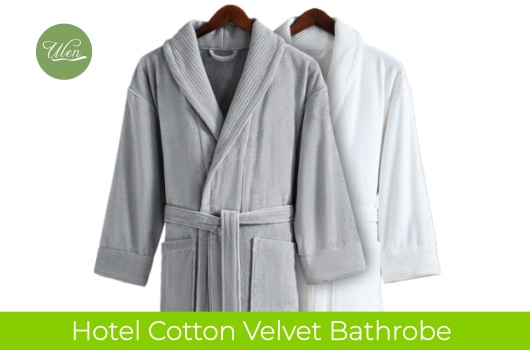
Fabric Choice: Premium microfiber is your best budget ally. It is incredibly soft, lightweight, dries in half the time of terry cloth (huge operational savings), and is highly durable. For a spa-like feel, mid-weight cotton waffle weave is another cost-effective, quick-drying option.
-
Simplify Design: Stick to a classic shawl collar and a simple tie belt. Avoid complex piping, contrasting fabrics, or oversized silhouettes that increase manufacturing cost.
-
-
NEVER Compromise On:
-
Seam Strength: Robes undergo stress. Ensure seams at the shoulders, armholes, and pockets are reinforced.
-
Size: It must fit a range of guests comfortably. Don’t skimp on cut.
-
3. Bath Mats: Prioritizing Safety and Simplicity
The primary function is safety, followed by absorbency.
-
SAVE Smartly On:
-
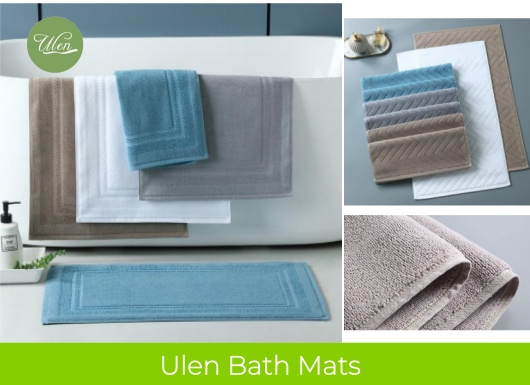
Pile Height: A medium-pile cotton mat is often sufficient, more affordable, and dries faster than a super-plush version.
-
Size: Standard rectangular sizes are far less expensive than custom shapes.
-
-
NEVER Compromise On:
-
Non-Slip Backing: This is critical. Insist on a full-coverage, latex or PVC-free backing that is securely bonded. A cheap backing that peels after 10 washes is a safety hazard and a waste of money.
-
4. Cross-Category Budget Power Strategies
These overarching tactics maximize savings across your entire linen order.
-
Radical Standardization: Use the exact same hotel towel and robe in every standard room. This allows you to buy in maximum bulk, secure the best price, and slash inventory complexity.
-
Order Complete Sets from One Supplier: Bundle your towel, robe, and mat purchase. Suppliers offer better pricing for larger, consolidated orders, and you save on administrative and shipping costs.
-
Partner with a Vertical Manufacturer: Work with suppliers who control their production. They cut out middleman markups and can offer transparent, competitive pricing on quality goods.
-
The Non-Negotiable Test: Demand Washed Hotel Towel Samples. Before ordering 500 towels, test 2. Wash and dry them 5-10 times. Do they pill? Lose softness? Fade? Does the mat backing hold? This step alone prevents the most common and costly budget mistake: buying linens that degrade immediately.
Conclusion: Budget Excellence is Strategic Excellence
Procuring hotel bath linens on a budget is not a limitation—it’s an exercise in operational intelligence. By choosing engineered fabrics, simplifying your portfolio, consolidating orders, and rigorously testing for longevity, you build a bath linen program that delights guests, supports efficient operations, and protects your bottom line season after season.
Looking for Budget-Smart, Quality Bath Linens?
Ulen specializes in providing high-value, commercial-grade bath linens designed for properties that watch their budgets without compromising standards. Our performance fabrics are built to pass your toughest wash-cycle test.
Contact us today to request our Budget Linen Sample Kit. Put our towels, robes, and mats through your own laundry test and see how true value performs.
1. How can I save money on hotel towels without sacrificing guest comfort?
Opt for a high-quality cotton-polyester blend (e.g., 80/20) instead of 100% cotton. Blends are more durable, dry faster (reducing laundry energy costs), resist mildew, and maintain color longer—delivering a lower cost-per-use while still feeling soft and absorbent.
2. What GSM should I look for in budget-friendly hotel bath towels?
Target 450–550 GSM rather than 600+ GSM. This mid-weight range provides excellent absorbency and a plush feel while drying significantly faster, which improves laundry turnover and reduces utility bills. Higher GSM towels take longer to dry and don’t necessarily last longer.
3. Is 100% cotton or a cotton-polyester blend more cost-effective for hotel towels?
Cotton-polyester blends are almost always more cost-effective for budget-conscious hotels. They offer superior durability (300+ wash cycles), faster drying, wrinkle resistance, and better color retention. While 100% cotton feels slightly softer initially, it wears out faster and requires more laundry labor.
4. What is total cost of ownership (TCO) for bath linens, and why does it matter?
TCO factors in purchase price, expected wash cycles, replacement frequency, and laundry operational costs (labor, water, energy, detergent). Calculate cost-per-use = price ÷ wash cycles. A slightly more expensive towel that lasts twice as long is the true budget-friendly choice.
5. How do I choose a budget-friendly bathrobe that still feels luxurious?
Choose premium microfiber or mid-weight cotton waffle weave. Microfiber is incredibly soft, lightweight, and dries in half the time of terry cloth—saving significant laundry energy. Waffle weave offers a spa-like feel at a lower cost than plush terry robes. Stick to classic shawl collar designs without complex piping.
6. What bath mat features should I never compromise on when buying on a budget?
Never compromise on non-slip backing—it’s a safety essential. Insist on full-coverage, latex or PVC-free backing that is securely bonded. Cheap backing that peels after 10 washes creates a slip hazard and wastes money. For the pile, a medium-pile cotton mat is sufficient and dries faster than super-plush options.
7. How can I reduce bath linen costs through standardization?
Use the exact same towel, robe, and bath mat in every standard room. Standardization allows you to buy in maximum bulk volume, secure the best pricing, slash inventory complexity, reduce par levels, and simplify laundry sorting—all while lowering administrative overhead.
8. Why should I bundle my bath linen purchase into a complete set?
Ordering towels, robes, and bath mats as a complete set from a single supplier unlocks volume discounts, reduces shipping costs, and simplifies procurement administration. Suppliers offer better pricing for consolidated orders, and you save time managing fewer vendor relationships.
9. What is a vertical manufacturer, and how can they help me save money?
A vertical manufacturer controls production from raw materials (yarn) to finished product. By eliminating middlemen and their markups, they offer transparent, competitive pricing on quality goods. They also provide greater flexibility for custom requirements without premium price tags.
10. How do I test bath linen samples to avoid costly mistakes?
Always request samples and perform a wash test (5–10 industrial cycles) . Evaluate:
-
Pilling: Do small fabric balls form?
-
Softness retention: Does it stay soft or become harsh?
-
Colorfastness: Does the color fade or bleed?
-
Shrinkage: Aim for under 5–8%
-
Mat backing adhesion: Does the non-slip backing peel or separate?
This test prevents the most common budget mistake: buying linens that degrade immediately.
11. What simple finishing features save money on bath towels?
Choose towels with printed or tagless labels instead of sewn-in fabric tags. They are cheaper to produce, eliminate guest discomfort from scratchy tags, and reduce laundry snags. Also, standard rectangular bath mats are far less expensive than custom shapes.
12. What construction features ensure budget towels last through commercial laundry?
Look for double-stitched hems on all edges—this prevents fraying, the most common failure point. Reinforced side seams and dense terry loops (not loose loops) also indicate durability. These construction details add minimal cost but dramatically extend lifespan.
13. How do I compare quotes from different bath linen suppliers accurately?
Request landed cost (including freight, duties, insurance, and delivery) rather than just FOB (Free on Board) pricing. Clarify MOQs (minimum order quantities), packaging costs, and payment terms. A lower unit price can become expensive after hidden logistics fees are added.
14. What certifications should I demand for budget bath linens to ensure guest safety?
Even on a budget, require OEKO-TEX Standard 100 certification—this guarantees textiles are free from harmful substances. For cotton blends, ask for verification that dyes are colorfast (Grade 4–5). Safety certifications are non-negotiable and often included by reputable suppliers at competitive prices.
15. How do I calculate cost-per-use for bath towels to find the best value?
Use the formula: Cost-Per-Use = Purchase Price ÷ Estimated Wash Cycles.
Example: A $4 towel lasting 150 cycles costs $0.027 per use. A $5.50 towel lasting 300 cycles costs $0.018 per use—39% lower despite higher upfront cost. Always request supplier wash cycle data from third-party testing to make accurate comparisons.