
Choosing the right hotel bed sheets is a critical decision in hotel sheet procurement. It directly impacts guest satisfaction, operational costs, and your property’s reputation. Two of the most common contenders are cotton and microfiber. But which one offers the best balance of durability and cost for your hotel?
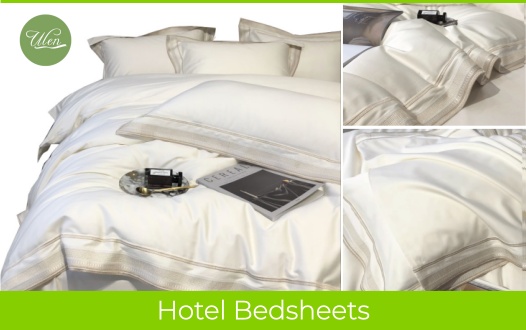
This ulen guide breaks down the key factors to help you make an informed, cost-effective decision for your procurement strategy.
Cotton Sheets: The Classic Choice
Cotton is the long-standing benchmark for hotel linen, prized for its natural feel and breathability.
-
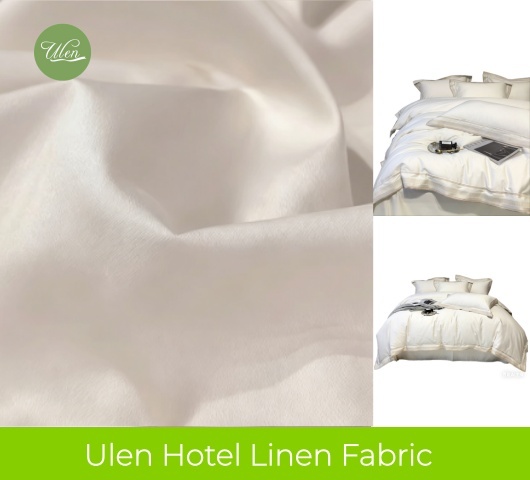
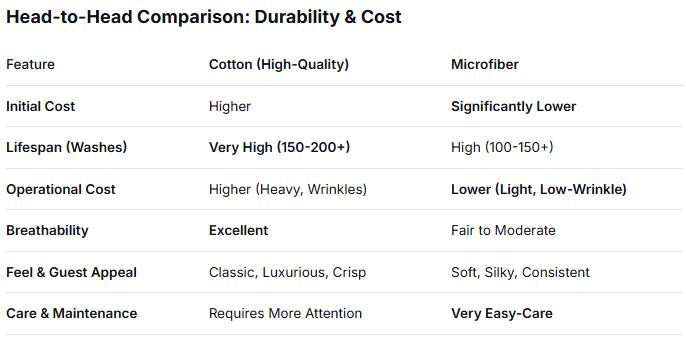
Durability: High-quality, long-staple cotton hotel linen fabric is exceptionally durable. With proper care—industrial laundering and rotation—premium cotton sheets can withstand 150-200+ washes. However, lower thread count or short-staple cotton will pill, thin, and wear out much faster.
-
Cost: Cotton sheets have a higher initial purchase cost. The price varies significantly with thread count and cotton quality. They also incur higher operational costs: they are heavier (increasing laundry weight/energy costs), wrinkle more (requiring more ironing/steaming), and may shrink if not processed correctly.
-
Guest Perception: Associated with luxury, comfort, and breathability. They feel cool in summer and warm in winter, enhancing the premium guest experience.
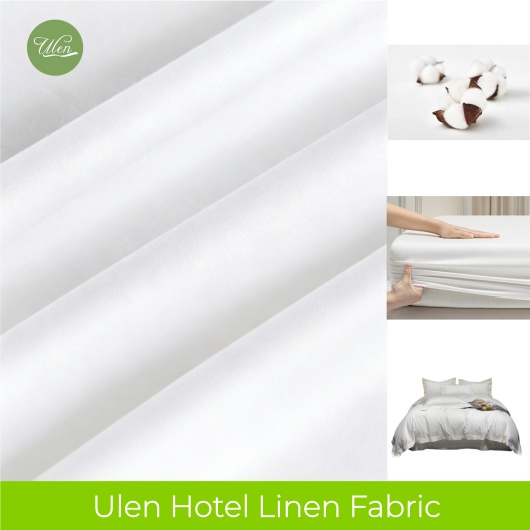
Microfiber Sheets: The Modern Contender
Microfiber is a synthetic fabric, typically a blend of polyester and polyamide, known for its smooth texture and practical benefits.
-
-
Durability: Microfiber is highly durable due to its tightly woven synthetic fibers. It resists pilling, staining, and fading remarkably well. It can often match or exceed the wash-cycle lifespan of mid-range cotton sheets when cared for properly.
-
Cost: The major advantage is lower cost. Microfiber sheets have a much lower initial purchase price. Operationally, they are lightweight (reducing laundry costs), quick-drying, and wrinkle-resistant, leading to savings on water, energy, and labor for pressing.
-
The Procurement Verdict: Which is Best for Your Hotel?
The “best” choice depends on your hotel’s brand positioning, budget, and operational model.
-
-
-
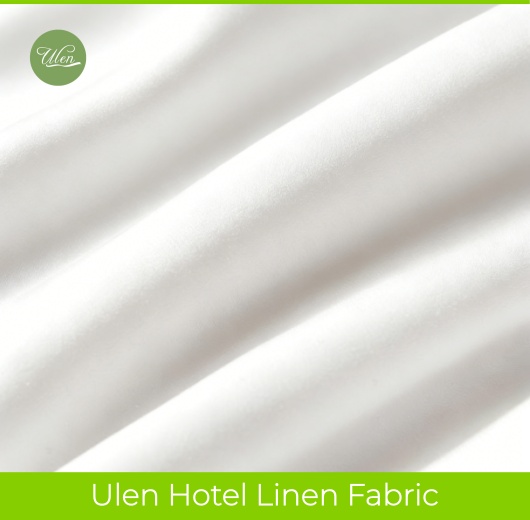
Choose Premium Cotton if: You are a luxury, boutique, or high-end resort where guest perception and a premium sleep experience are paramount. The investment in higher initial cost and care is justified by your brand standard and potential for higher room rates.
-
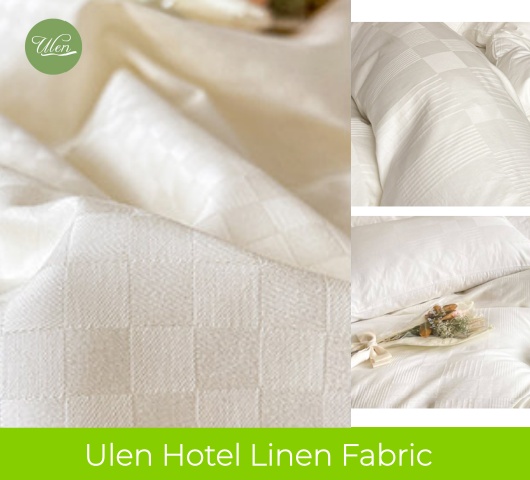
Choose Microfiber if: You operate in the mid-scale, extended-stay, or budget segment where cost control, durability, and operational efficiency are priorities. It provides excellent value, a comfortable guest experience, and simplifies laundry logistics. It’s also a superb choice for spare sets and rollout beds.
-
Consider a Hybrid Strategy: Many hotels successfully use both. Microfiber for base inventory and high-turnover rooms, and Premium Cotton for suites and upgraded room categories. This balances cost and luxury effectively.
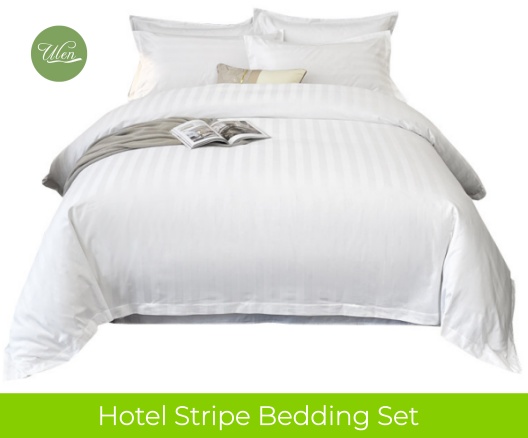
Guest Perception: Offers a consistently soft, silky feel. However, it is less breathable than cotton, which some guests may find less comfortable in warm climates. It is often associated with efficiency and easy care.
-
-
In the debate of cotton vs microfiber sheets for hotels, there is no one-size-fits-all answer. For durability, both perform well, but high-end cotton often has a longer ultimate lifespan. For cost, microfiber is the clear winner in both acquisition and operational expenses.
Actionable Procurement Tip: Always request samples and conduct a live wash test with your laundry provider. Calculate the Total Cost of Ownership (TCO)—including purchase, laundering, replacement, and labor—over a 2-3 year period for a true comparison.
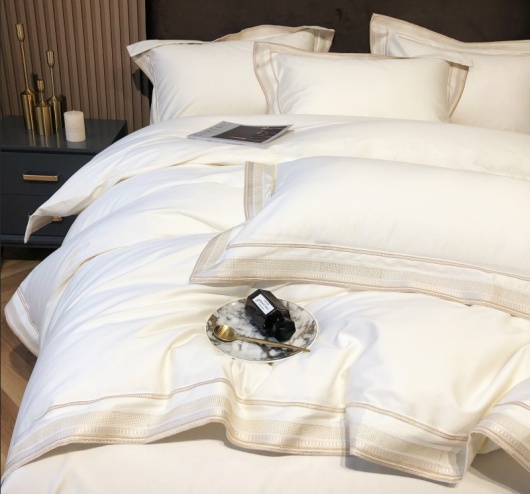
By aligning your hotel sheet procurement with your brand identity and budget reality, you can ensure guest comfort while optimizing your bottom line.
15 FAQs: Cotton vs. Microfiber Hotel Sheets: Which Offers Better Durability, Cost & Guest Comfort?
1. What are the main differences between cotton and microfiber hotel sheets?
Cotton is a natural fiber prized for breathability and a classic luxury feel. Microfiber is a synthetic fabric (polyester-polyamide blend) known for its smooth texture, stain resistance, and quick-drying properties. The choice affects durability, laundry costs, guest perception, and upfront investment.
2. Which sheet material is more durable for commercial hotel laundering?
Both can be durable when high-quality. Premium long-staple cotton sheets withstand 150–200+ industrial washes. Microfiber resists pilling, staining, and fading and can match or exceed the lifespan of mid-range cotton. However, low-grade cotton fails faster due to thinning and pilling.
3. Are cotton sheets worth the higher upfront cost for hotels?
For luxury, boutique, or high-end resorts, yes. Premium cotton enhances guest perception, commands higher room rates, and delivers a breathable, premium sleep experience. For mid-scale or budget properties, the higher initial and operational cost may not be justified.
4. How do microfiber sheets reduce hotel laundry costs?
Microfiber is lightweight, quick-drying, and wrinkle-resistant. This reduces water and energy consumption per cycle, lowers drying time, and eliminates or minimizes ironing labor. These operational savings often outweigh the lower purchase price.
5. Do guests prefer cotton or microfiber sheets in hotels?
Guest preference varies. Cotton is associated with luxury, breathability, and natural comfort—ideal for warm sleepers or premium settings. Microfiber offers a consistently soft, silky feel but is less breathable. Some guests may find microfiber too warm in hot climates.
6. Which sheet type lasts longer in high-turnover hotels?
High-quality long-staple cotton can outlast microfiber (200+ washes vs. 150–250 for standard microfiber). However, mid-range cotton often fails faster due to pilling and fiber breakdown. Microfiber maintains its appearance longer with less visible wear, making it a strong contender for properties prioritizing consistent looks.
7. How do I calculate total cost of ownership (TCO) for hotel sheets?
TCO = Purchase price + (Energy/water cost per wash × cycles) + (Labor cost for ironing × cycles) + Replacement cost. Microfiber typically has lower TCO due to cheaper purchase, faster drying, and no ironing. Cotton has higher TCO but may justify higher room rates.
8. Can I use both cotton and microfiber sheets in the same hotel?
Yes, a hybrid strategy works well. Use premium cotton for suites and upgraded room categories where guests expect luxury. Use microfiber for standard rooms, high-turnover inventory, rollout beds, or spare sets. This balances cost and guest satisfaction.
9. What thread count should I look for in cotton hotel sheets?
For commercial durability, target 200–400 thread count depending on your star rating. Avoid ultra-high thread counts (800+) as they often use weaker multi-ply yarns and are less durable. For microfiber, thread count is not a reliable quality metric—focus on fabric weight and construction.
10. Do microfiber sheets pill or fade after repeated washing?
Quality microfiber resists pilling and fading remarkably well due to its tight synthetic weave. It outperforms low-grade cotton in color retention. However, extremely cheap microfiber may develop pills. Always request wash-tested samples from your supplier.
11. Which sheet type is better for hotels in warm climates?
Cotton is more breathable and moisture-wicking, keeping guests cool in warm weather. Microfiber retains more heat, which may lead to discomfort in hot climates without air conditioning. For tropical resorts, premium cotton is often preferred.
12. How do I test sheet samples before placing a bulk order?
Request samples and conduct a 5–10 cycle wash test in your commercial laundry. Evaluate:
-
Shrinkage (cotton 5–8%, microfiber <3%)
-
Pilling and surface wear
-
Softness retention
-
Colorfastness
-
Drying time and wrinkle formation
This test reveals real-world performance and TCO.
13. Are there any eco-friendly considerations when choosing between cotton and microfiber?
Cotton is natural and biodegradable but water-intensive to grow (especially conventional cotton). Organic cotton or recycled cotton reduce environmental impact. Microfiber is petroleum-based and sheds microplastics during washing, but some recycled polyester options exist. Consider your property’s sustainability goals.
14. What is the best sheet choice for extended-stay or economy hotels?
Microfiber is ideal for extended-stay and economy properties. It offers low upfront cost, excellent durability, easy care (no ironing), and quick drying—reducing operational overhead. Guests still receive a soft, comfortable sheet without luxury pricing.
15. How do I make a final procurement decision between cotton and microfiber?
Follow this framework:
-
Define your brand positioning (luxury → cotton; mid-scale/budget → microfiber)
-
Calculate TCO over 2–3 years including laundry and labor
-
Request washed samples from both material types
-
Consider a hybrid strategy for suites vs. standard rooms
-
Test guest feedback with a small pilot batch before full rollout