
Purchasing hotel bedding is a significant investment. While specifications and supplier promises are important, nothing replaces firsthand evaluation. A simple, systematic bedding quality test before you commit to a bulk order can save you from costly mistakes, guest complaints, and premature replacements.
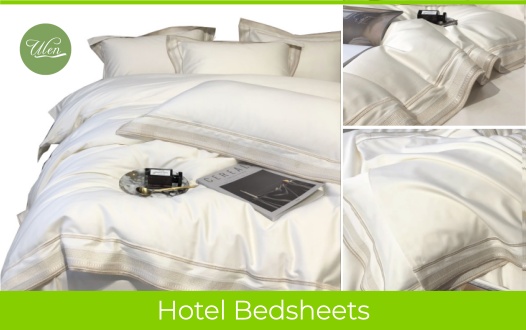
This guide provides a practical, step-by-step framework to evaluate bedding samples like a professional procurement expert. Perform these tests to ensure you’re investing in linens that offer both luxury and longevity.
Phase 1: The Visual & Tactile Inspection (The First Impression Test)
Begin by examining the sample in your hands under good light.
-
The Hand-Feel Test:
-
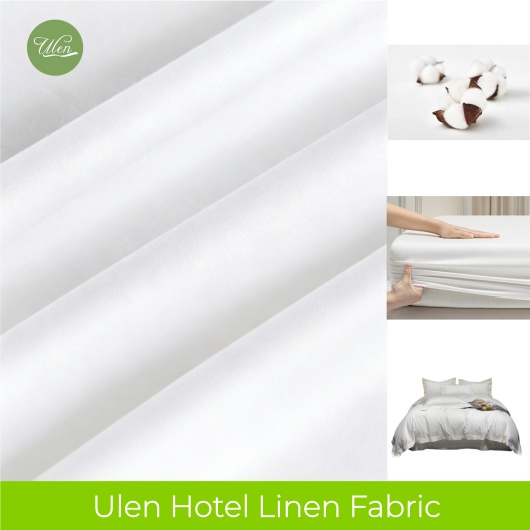
Feel the Fabric: Run the hotel linen fabric between your fingers. Premium cotton (Egyptian, Pima) or high-quality blends should feel smooth, substantial, and softly textured—not thin, slippery, or stiff.
-
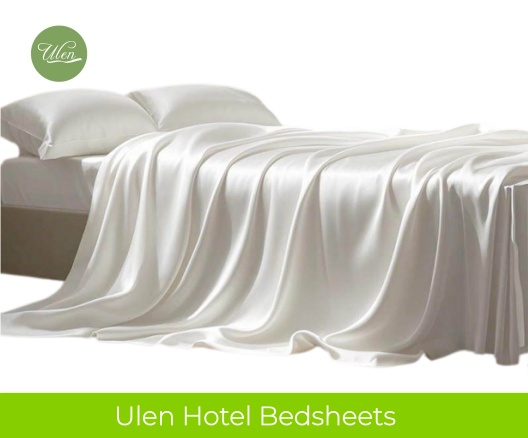
Check for Consistency: Feel across the entire hotel bed sheet. Are there any thin spots, uneven textures, or rough patches? Quality should be uniform.
-
-
The Detail & Construction Check:
-
Examine the Stitching: Look at the hems and seams. Stitching should be straight, even, and dense. For https://www.mytoucher.com/hotel-bed-linens/hotel bed linens, such as fitted sheets, check the corner elastic seams—are they reinforced with bar-tacking or double-stitching? This is a critical stress point.
-
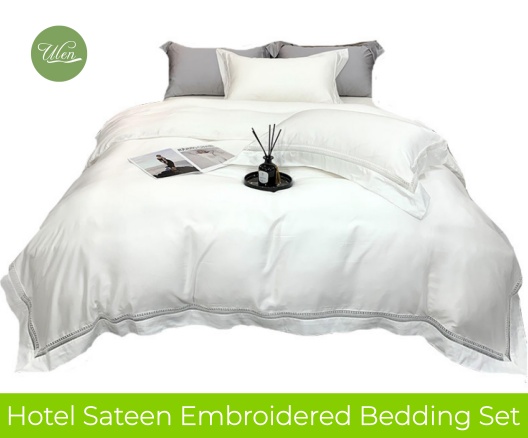
Inspect the Finish: Are there any loose threads, uneven hems, or flawed weaving? The overall finish should be neat and precise.
-
Phase 2: The Performance & Durability Tests (The Stress Tests)
This phase simulates real-world hotel use.
-
The Stretch & Pull Test (for Fitted Sheets):
-
Stretch the corner of a fitted sheet gently but firmly. A well-made sheet will have good elasticity and recovery, bouncing back to shape without distortion. The seams and fabric should not strain or threaten to tear.
-
-
The Light & Opacity Test:
-
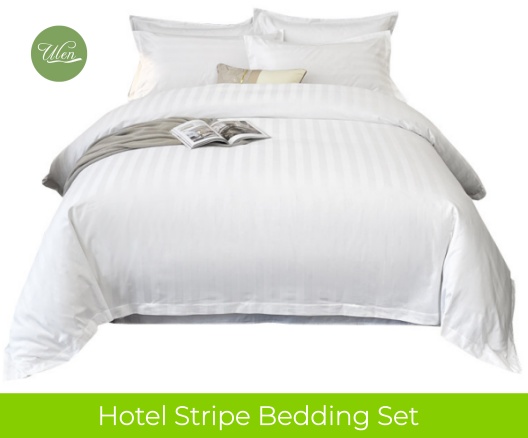
Hold the sheet up to a strong light or window. A very thin, low-quality sheet will allow a surprising amount of light to pass through, indicating a low thread count or weak yarn. Premium bed sheeting linen will have a more substantial, less transparent appearance.
-
Phase 3: The Crucial Wash Test (The Ultimate Litmus Test)
This is the most critical step. Always request a second sample to wash and dry repeatedly (3-5 cycles is ideal) before ordering.
-
Post-Wash Evaluation Checklist:
-
Softness: Does the fabric become softer (a sign of quality cotton) or harsher?
-
Pilling: Do small fabric balls form on the surface? Premium, long-staple cotton hotel bedding sets should resist pilling.
-
Color & Shrinkage: Does the color fade or bleed? Measure shrinkage—industry-standard is typically under 5-8%.
-
Wrinkle Formation: How wrinkled does it come out? While some wrinkling is natural, performance blends should show noticeable wrinkle resistance.
-
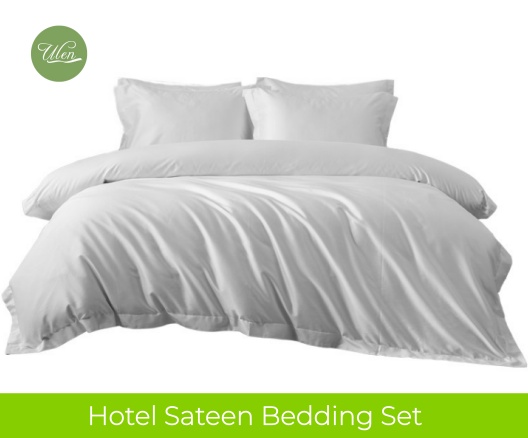
Seam Integrity: Do the seams remain flat and secure, or do they pucker or weaken?
-
Phase 4: Verify the Credentials (The Trust Test)
-
Ask for Documentation:
-
Certifications: Request proof of OEKO-TEX Standard 100 or similar certifications to ensure safety from harmful substances.
-
Wash Test Data: A confident supplier can often share laboratory test results for tensile strength and colorfastness after multiple industrial washes.
-
Conclusion: Test for Confidence, Invest with Certainty
Conducting these simple yet effective tests moves your purchasing decision of hotel bedding sets from speculation to certainty. They empower you to look beyond marketing claims and evaluate the true value—where luxury meets durability.
Why Our Samples Pass the Test with Confidence:
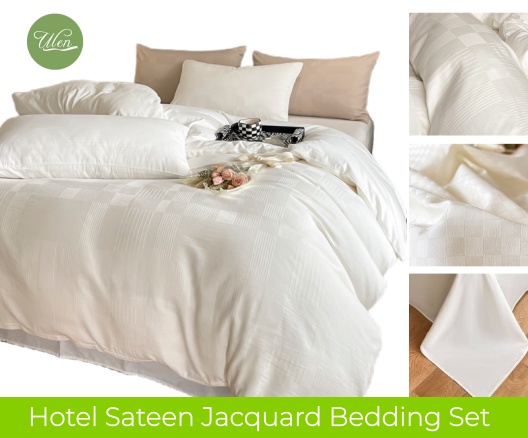
As a vertically integrated manufacturer, Ulen control every stage of production. Our hotel-grade bedding is engineered to not only pass but excel in these quality tests. We invite you to put our samples through the most rigorous examination.
Ready to Test Quality for Yourself?
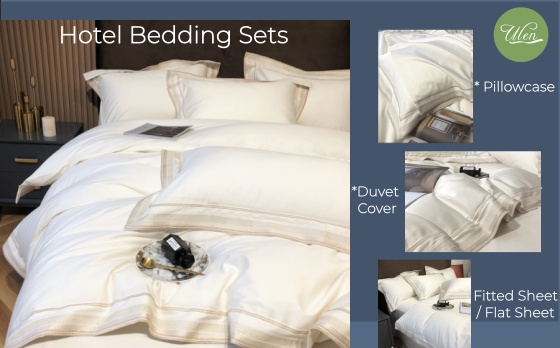
Request our complimentary Premium Bedding Test Kit, including pre- and post-wash samples, and put our guide into practice. See and feel the difference that transparent quality and integrated manufacturing make.
1. How do I test hotel bedding samples before placing a bulk order?
Conduct a systematic four-phase evaluation: visual and tactile inspection, performance stress tests (stretch, pull, and opacity), a crucial wash test (3–5 industrial cycles), and credential verification (certifications and laboratory data). This process moves your decision from speculation to certainty.
2. What should I look for during the hand-feel test of hotel sheets?
Run the fabric between your fingers. Premium cotton (Egyptian, Pima) or high-quality blends should feel smooth, substantial, and softly textured—not thin, slippery, or stiff. Check for consistency across the entire sheet; there should be no thin spots, uneven textures, or rough patches.
3. How can I tell if hotel bedding has quality stitching and construction?
Examine hems and seams closely. Stitching should be straight, even, and dense. For fitted sheets, pay special attention to corner elastic seams—look for reinforced bar-tacking or double-stitching, as these are critical stress points that fail first under commercial laundering.
4. How do I test the durability of fitted sheets before bulk purchasing?
Perform the stretch and pull test: gently but firmly stretch the corner of a fitted sheet. A well-made sheet will demonstrate good elasticity and recovery, bouncing back to shape without distortion. The seams and fabric should not strain or show signs of tearing.
5. What is the opacity test for hotel sheets, and why does it matter?
Hold the sheet up to a strong light or window. A thin, low-quality sheet will allow significant light to pass through, indicating low thread count or weak yarns. Premium sheeting will appear more substantial and less transparent, reflecting better density and durability.
6. Why is the wash test the most critical step for hotel bedding evaluation?
The wash test simulates real-world commercial laundry conditions. Always request a second sample and wash it 3–5 cycles in your actual laundry environment to evaluate softness progression, pilling, shrinkage (aim for under 5–8%), color retention, wrinkle formation, and seam integrity after repeated processing.
7. What does pilling indicate about hotel sheet quality after washing?
Pilling—small fabric balls forming on the surface—indicates short-staple cotton or poor-quality fibers. Premium, long-staple cotton sheets should resist pilling through hundreds of wash cycles. If pilling appears after just a few washes, the sheets will not meet durability expectations for hotel use.
8. How much shrinkage is acceptable for hotel bed sheets?
Industry standard for quality hotel bedding is shrinkage of less than 5–8% after multiple commercial washes. Always measure shrinkage during your wash test and factor it into your sizing specifications. Suppliers should provide pre-shrunk fabrics or clearly disclose shrinkage expectations.
9. What is the difference between initial softness and long-term softness in hotel sheets?
Many sheets are treated with chemical softeners or finishes that create an appealing initial hand feel but wash out after just a few cycles. Quality sheets achieve softness from long-staple cotton fibers and proper weaving, becoming even softer over time without chemical additives. Always evaluate softness after washing, not just out of the box.
10. How do I test seam integrity on hotel bedding samples?
After washing and drying, inspect all seams carefully. Quality seams should remain flat, secure, and free from puckering. Pay special attention to corner seams on fitted sheets and hemmed edges on flat sheets and pillowcases. Reinforced seams with overlock or double-needle construction resist fraying far longer than basic single-needle hems.
11. What should I check for colorfastness when testing hotel bedding samples?
During the wash test, examine the fabric for fading or bleeding. Look for colorfastness ratings of Grade 4–5 on the Grey Scale, indicating minimal fading after repeated laundering. Suppliers using reactive dyes (which bond chemically with fibers) will deliver superior color retention compared to pigment dyes that merely coat the surface.
12. How do I test fitted sheet elastic durability before bulk ordering?
Stretch the elastic corners multiple times and observe recovery. Quality fitted sheets use high-grade elastic with reinforced stitching at stress points. After washing, check that the elastic has not lost tension and that the sheet still fits securely around the mattress without sagging or shifting.
13. What is the most reliable way to ensure I’m investing in durable hotel bedding?
The winning approach is: test before you invest. Combine visual inspection, stress tests, a rigorous wash test (3–5 cycles), and credential verification. Work with suppliers who are confident enough to provide pre- and post-wash samples and transparent laboratory data. This systematic evaluation ensures your investment delivers both luxury guest experience and long-term cost efficiency.