
For hoteliers and procurement managers, purchasing bedding sets is a high-stakes investment. The right hotel bedding set directly influences guest sleep quality, online reviews, and your property’s reputation for comfort. However, navigating specifications like thread count, fabric blends, and construction can be overwhelming.
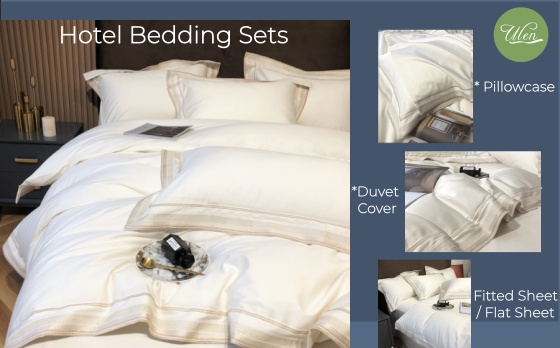
This definitive guide cuts through the complexity. We provide a complete, step-by-step framework for sourcing commercial bedding sets—bed sheets, duvet or duvet covers, and pillow inserts or pillowcases—that deliver the perfect balance of luxury, durability, and long-term value for your hotel.
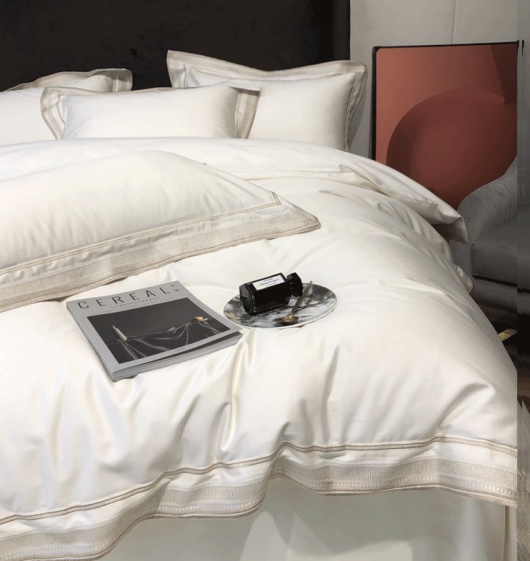
Part 1: Why Your Hotel Bedding Set Choice Matters More Than You Think
Hotel bedding is not a commodity; it’s a critical touchpoint. It affects:
-
Guest Experience & Reviews: Crisp, comfortable linens are consistently cited in positive reviews.
-
Operational Efficiency: Durable, easy-care fabrics reduce laundry time, labor, and energy costs.
-
Total Cost of Ownership (TCO): Investing in quality extends replacement cycles, offering a lower cost-per-use than cheap, disposable sets.
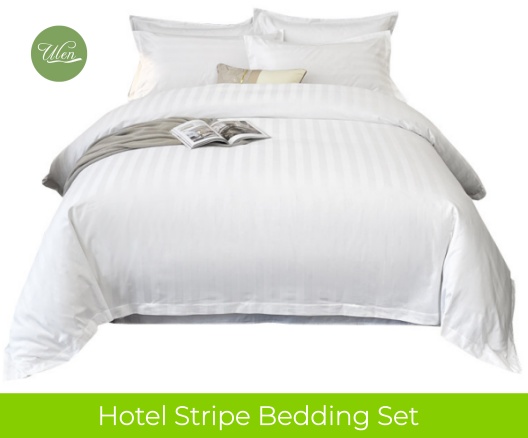
Part 2: Decoding the Components of a Premium Hotel Bedding Set
1. Sheets: The Foundation of Comfort
Bed sheets endure the most direct contact and mechanical stress. Your choice here is paramount.
-
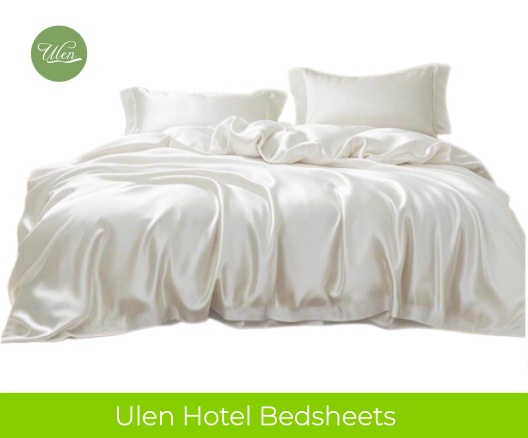
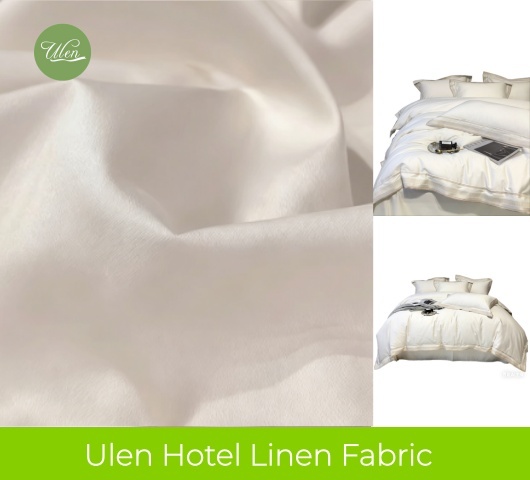
Hotel Linen Fabric & Material:
-
Cotton-Polyester Blends (The Commercial Standard): A 55/45 or 60/40 blend is ideal. Polyester adds wrinkle resistance, durability, and quick-drying properties, while cotton ensures breathability and a soft hand-feel. This blend offers the best value and performance for most hotels.
-
Long-Staple Cotton (For Luxury Tiers): Egyptian cotton offers superior softness and a luxury feel but requires more care and has a higher cost.
-
-
Thread Count (TC): Don’t be fooled by high numbers. For commercial use, 180-300 TCis the sweet spot. Higher counts often use finer, weaker threads and are less durable.
-
Weave:
-
Percale: A crisp, cool, and matte finish. Highly breathable and durable—a top choice for year-round comfort.
-
Sateen: A silky, lustrous finish with a heavier drape. Feels warmer and offers a more luxurious aesthetic.
-
-
Construction Must-Haves: Look for reinforced stitching (especially at fitted sheet corners), deep pockets (at least 15 inches), and full elastic around the entire fitted sheet hem.
2. Duvet Covers: The Style & Protection Layer
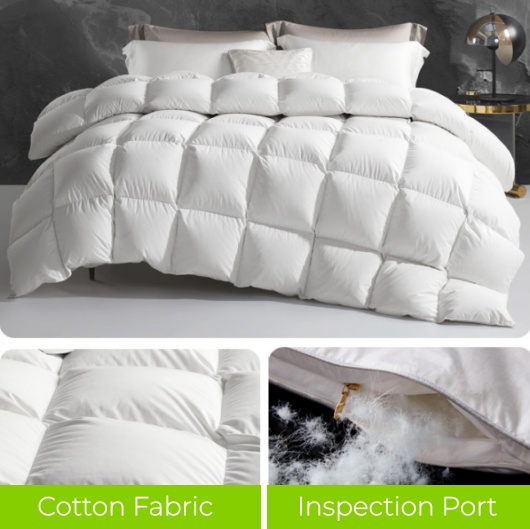
The duvet cover protects your duvet insert and defines the bed’s visual style.
-
Fabric Consistency: It should match or complement your sheet fabric in weight and feel for a cohesive look.
-
Closure System: A robust button closure or a high-quality zipper is essential. Flimsy closures break and create operational headaches.
-
Internal Ties: Ensure it has strong corner ties to secure the duvet insert and prevent bunching.
3. Pillowcases: The Final Touch
Often overlooked, pillowcases are crucial for completing the sleep experience.
-
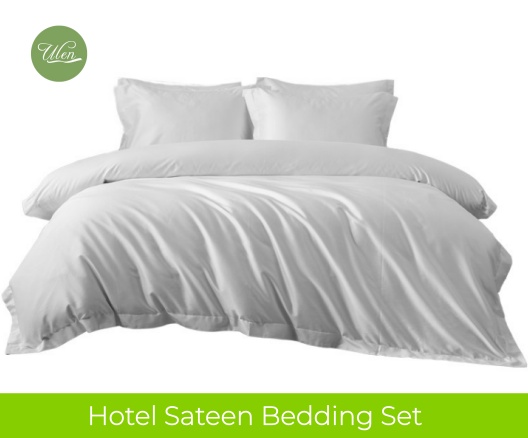
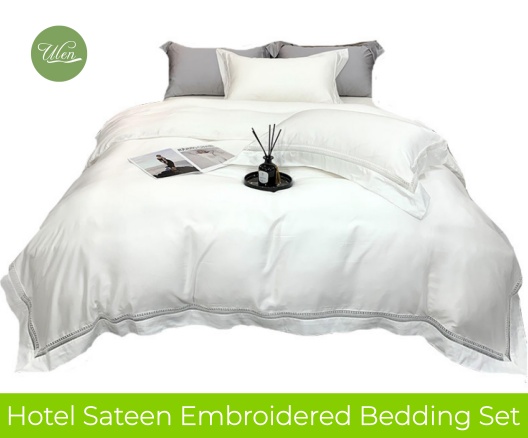
Fabric & Finish: Must match the sheet set for consistency. Consider Oxford pillowcases (with a decorative hem) for a more finished look in upscale properties.
-
Closure: A simple envelope closure is clean, secure, and avoids the discomfort of zippers.
Part 3: The Smart Buyer’s Checklist: 5 Steps to the Perfect Purchase
-
Define Your Needs: Consider your guest profile, climate, and laundry capabilities. A business hotel in a hot climate may prioritize percale, while a boutique B&B might choose sateen.
-
Prioritize Commercial Durability: Always ask: “Is this bedding sets built for 200+ industrial wash cycles?” Request pilling, tensile strength, and colorfastness test data from suppliers.
-
Calculate True Cost with Price-Per-Use (PPU):
PPU = (Cost of Bedding Set) ÷ (Estimated Lifespan in Wash Cycles)
This metric reveals that a $50 set lasting 250 cycles ($0.20/use) is cheaper than a $30 set lasting 100 cycles ($0.30/use). -
Demand & Test Physical Samples: This is non-negotiable.
-
Feel the fabric.
-
Inspect the stitching.
-
Wash and dry the sample 3-5 times. Does it pill? Shrink? Lose softness? This test prevents costly mistakes.
-
-
Verify Certifications: Ensure all fabrics are OEKO-TEX Standard 100 certified, guaranteeing they are free from harmful substances—a baseline for guest safety.
Part 4: Common Pitfalls to Avoid
-
Pitfall 1: Chasing excessively high thread counts (e.g., 1000 TC), which are often misleading and lack durability.
-
Pitfall 2: Choosing 100% cotton for all applications without considering the higher maintenance and shorter lifespan compared to blends.
-
Pitfall 3: Ordering without washed samples, leading to surprises after the first laundry cycle.
-
Pitfall 4: Neglecting to standardize sizes and colors across your property, missing out on bulk-order discounts.
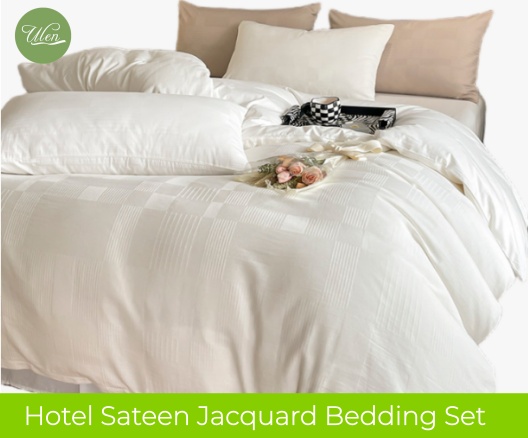
Conclusion: Investing in Sleep, Investing in Success
Your hotel bedding set is a strategic asset. By understanding specifications, demanding commercial-grade quality, and calculating long-term value, you make an investment that pays dividends in guest satisfaction, operational savings, and positive reviews.
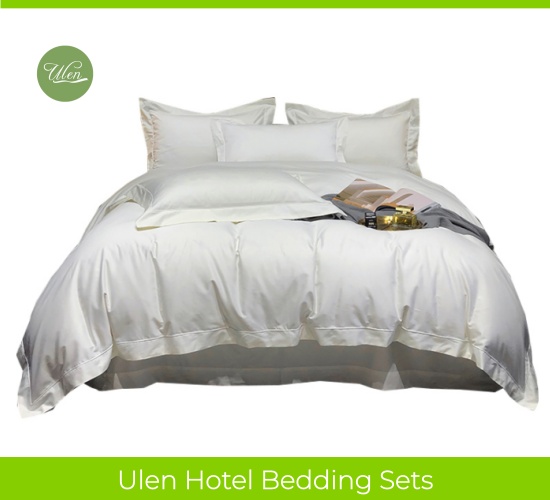
Ready to Redefine Your Hotel’s Sleep Experience?
Ulen specializes in commercial-grade hotel bedding sets engineered for perfection. From durable performance blends to OEKO-TEX certified fabrics, we provide the quality, data, and samples you need to buy with confidence.
1. What is the best fabric blend for commercial hotel bedding sets?
The industry standard for most hotels is a cotton-polyester blend (typically 55/45 or 60/40) . This combination offers the ideal balance: polyester provides wrinkle resistance, durability, and quick-drying properties, while cotton ensures breathability and a soft hand feel. This blend delivers the best value and performance for high-turnover commercial laundering.
2. What thread count should I look for when buying hotel sheets?
For commercial hotel bedding, the sweet spot is 180–300 thread count (TC) . Higher thread counts (800–1000+) are often artificially inflated using multi-ply yarns and tend to be less breathable and durable. A sensible TC paired with high-quality fibers and a balanced GSM yields better long-term performance than chasing exaggerated numbers.
3. What is the difference between percale and sateen weave for hotel bedding?
Percale features a one-over-one-under weave, resulting in a crisp, cool, matte finish that is highly breathable and durable—ideal for warm climates and year-round comfort. Sateen uses a three-over-one-under weave, creating a silky, lustrous finish with a heavier drape and warmer feel, often preferred for luxury suites and premium guestrooms.
4. How do I calculate the true cost-per-use for hotel bedding sets?
Use the formula: Cost-Per-Use = Total Cost of Bedding Set ÷ Estimated Lifespan in Wash Cycles.
Example: A $50 set lasting 250 cycles costs $0.20 per use, while a $30 set lasting 100 cycles costs $0.30 per use. The higher upfront investment delivers a 33% lower cost-per-use and better long-term value.
5. What construction features should I look for in fitted sheets?
Look for reinforced stitching at corner seams (bar-tacking or double-stitching), deep pockets (at least 15 inches) to accommodate various mattress depths, and full elastic around the entire hem rather than just corner straps. These features ensure a secure fit and prevent shifting during guest use.
6. How do I test hotel bedding samples before placing a bulk order?
Always request samples and perform a wash test (3–5 industrial cycles) . Evaluate:
-
Softness progression: Does it become softer or harsher?
-
Pilling: Do small fabric balls form on the surface?
-
Shrinkage: Aim for under 5–8%
-
Colorfastness: Does the color fade or bleed?
-
Seam integrity: Do seams remain flat and secure?
7. What certifications should I require from hotel bedding suppliers?
Ensure all fabrics are OEKO-TEX Standard 100 certified, guaranteeing they are free from harmful substances—a baseline for guest safety. For cotton products, look for Supima®, Egyptian Cotton, or GOTS certifications. Request third-party test reports for tensile strength, colorfastness, and pilling resistance.
8. What is the difference between long-staple cotton and regular cotton for hotel sheets?
Long-staple cotton (such as Egyptian or Supima®) features longer fibers that create stronger, smoother yarns. This results in sheets that are softer, more durable, and resistant to pilling and fraying through hundreds of wash cycles. Regular short-staple cotton is more prone to wear and surface deterioration.
9. How do I choose between 100% cotton and cotton-polyester blends for my property?
100% cotton offers superior natural softness and breathability but requires more ironing, has higher shrinkage (5–8%), and a shorter lifespan. Cotton-polyester blends provide wrinkle resistance, faster drying, and 300+ wash cycle durability. Luxury properties may justify 100% cotton; most hotels benefit from the operational efficiency of blends.
10. What closure systems should I look for in duvet covers?
Choose duvet covers with robust button closures or high-quality zippers—flimsy closures break quickly under commercial laundry conditions. Also ensure the cover has strong internal corner ties to secure the duvet insert and prevent bunching, which maintains a crisp, professional appearance.
11. How many wash cycles should commercial hotel bedding withstand?
Quality commercial bedding should be engineered for 200–500 industrial wash cycles. Premium blends and long-staple cotton sheets can exceed 300 cycles with proper care. Always request wash test data from suppliers to verify durability claims before purchasing.
12. What is the importance of fitted sheet pocket depth?
Fitted sheets should have pockets at least 15 inches deep to accommodate modern pillow-top mattresses and mattress toppers. Insufficient depth causes sheets to pop off during guest use, leading to complaints and operational disruptions during housekeeping turnover.
13. How do I standardize bedding sizes and colors across my property?
Work with suppliers to establish consistent sizing and color codes across all rooms. Standardization allows you to:
-
Maximize bulk-order discounts
-
Simplify inventory management
-
Reduce par levels by enabling cross-utilization between rooms
-
Streamline laundry sorting and processing
14. What common pitfalls should I avoid when sourcing hotel bedding?
Avoid:
-
Chasing excessively high thread counts (e.g., 1000+ TC) that are misleading and lack durability
-
Choosing 100% cotton for all applications without considering higher maintenance and shorter lifespan
-
Ordering without washed samples, leading to surprises after the first laundry cycle
-
Neglecting to calculate cost-per-use in favor of upfront unit price
15. How do I verify a hotel bedding supplier’s reliability before ordering?
Request:
-
Physical samples for pre- and post-wash testing
-
Third-party laboratory test reports for shrinkage, colorfastness, and tensile strength
-
OEKO-TEX and ISO certifications
-
References from comparable hotels
-
On-time delivery metrics (>95%) and response time data
Suppliers with high reorder rates consistently deliver quality and reliability.