
Selecting the right bathrobes and towels for your hotel is a decision that impacts guest satisfaction, operational efficiency, and your bottom line. While aesthetics are important, truly informed procurement decisions are based on measurable, objective criteria. Moving beyond subjective “feel,” these five key metrics provide a scientific framework for evaluating quality, durability, and value, ensuring your investment meets both guest expectations and commercial realities.
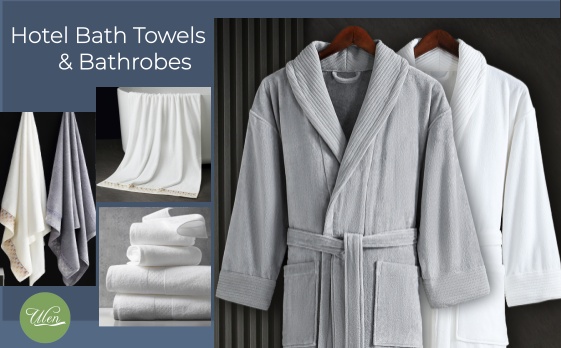
1. GSM (Grams per Square Meter): The Weight of Luxury & Function
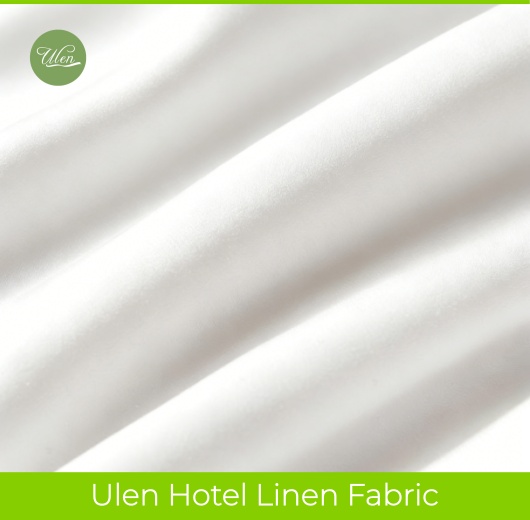
What it is: GSM measures the linen fabric‘s weight per square meter. It’s the most objective indicator of a towel or robe’s density, thickness, and often, its perceived plushness.
How to Use This Metric:
-
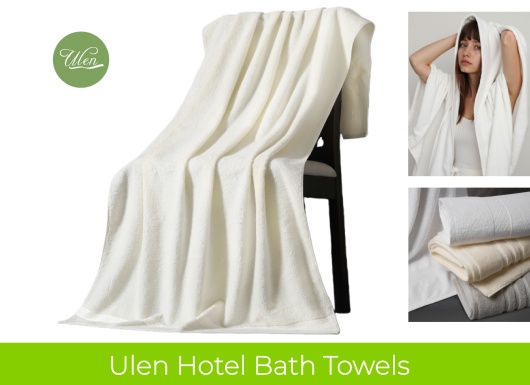
For Bath Towels: 500-600 GSM is the commercial hospitality sweet spot. It offers excellent absorbency, a substantial feel, and reasonable drying times. Towels above 700 GSM feel ultra-luxurious (ideal for high-end spas) but dry much slower, impacting laundry turnover.
-
For Bathrobes: 400-500 GSM is standard for a mid-weight, versatile robe. Over 600 GSM indicates a heavy, plush “spa-style” robe, while lighter weights (~300 GSM) are typical for waffle or lightweight robes.
The Bottom Line: Higher GSM often means greater absorbency and luxury, but must be balanced against drying efficiency and cost.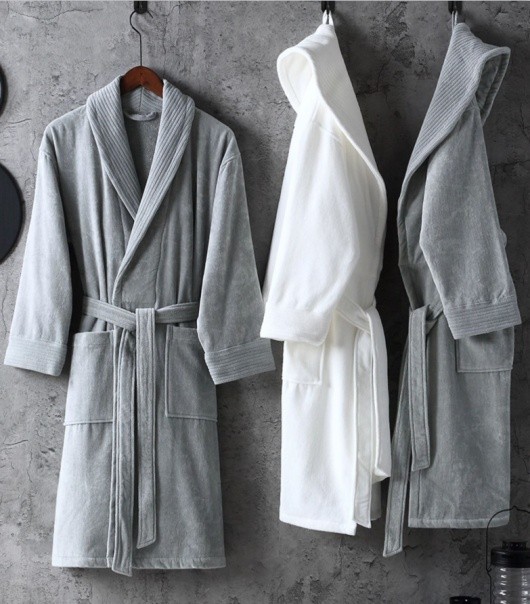
2. Fabric Composition & Quality: The Foundation of Performance
The raw material dictates the fundamental character of the textile.
Primary Options & What to Look For:
-
Cotton (The Classic):
-
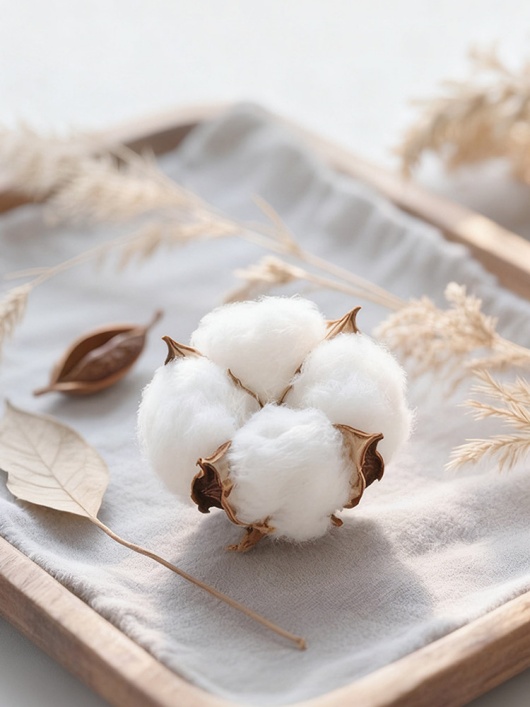
Turkish or Egyptian Cotton: Prized for long-staple fibers, resulting in superior softness, strength, and absorbency with less linting.
-
Combed Cotton: A sign of quality. The combing process removes short fibers, creating smoother, stronger yarns.
-
-
Microfiber/Polyester (The Modern Workhorse):
-
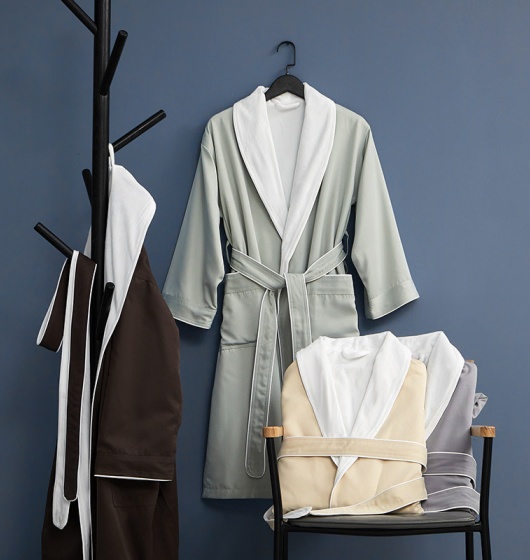
Look for terms like “high-density” microfiber. It should feel exceptionally soft, not slippery or synthetic.
-
Key advantages: Extremely quick-drying, lightweight, durable, and often more resistant to staining.
-
-
Bamboo Blends (The Eco-Conscious Choice):
-
Offers a silky-soft hand-feel, natural antibacterial properties, and good absorbency. Ensure it’s a blend (e.g., bamboo-cotton) for durability.
-
3. Construction & Structural Integrity: Built to Last
Superior materials can be undermined by poor construction. Inspect these details:
-
Stitching: Seams should be double-stitched or piped, especially at high-stress points like robe shoulders, pockets, and towel hems. Look for straight, even stitching with no loose threads.
-
Reinforcements: Robe belt loops and towel corners should be securely reinforced (e.g., with bar-tacking).
-
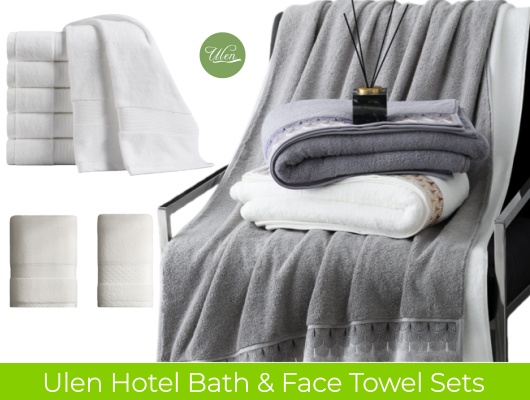
Edges & Hems: Hotel Towels should have double-turned hems (fabric folded twice before stitching) for durability and to prevent fraying. Robe hems and collars should lie flat and neat.
4. Certifications & Safety Standards: The Trust Verification
Certifications are non-negotiable for risk mitigation and guest safety.
-
OEKO-TEX® Standard 100: The most critical certification. It independently verifies that the textile is free from harmful levels of over 100 regulated substances. This is your guarantee of product safety for guest skin contact.
-
Other Standards: Certifications like ISO for quality management systems indicate a manufacturer’s commitment to consistent, controlled production processes.
5. Commercial Laundry Resilience (The Ultimate Test)
How will the product perform after 100+ industrial washes? This metric must be tested, not just promised.
-
Request Washed Samples: Always ask a supplier for a sample that has undergone multiple simulated commercial wash cycles.
-
Post-Wash Evaluation Checklist:
-
Colorfastness: Does the color remain vibrant, or has it faded or grayed?
-
Softness Retention: Does it stay soft, or become harsh and stiff?
-
Pilling: Do small fabric balls form on the surface?
-
Shape & Seam Integrity: Does it shrink excessively? Do the seams remain flat and secure?
-
Absorbency: Does it still dry effectively?
-
Conclusion: Procure with Confidence, Not Guesswork
Choosing hotel textiles is a strategic investment. By applying these five measurable metrics—GSM, Fabric Quality, Construction, Certifications, and Laundry Resilience—you transform your procurement process from subjective to scientific. This data-driven approach minimizes risk, maximizes ROI, and ensures the hotel bathrobes and towels linen you select will delight guests and withstand the demands of hospitality operations.
Looking for Bathrobes & Towels That Excel in All Five Metrics?
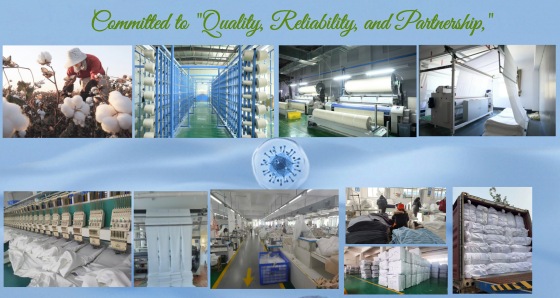
Our vertically integrated manufacturing allows us to engineer every product against these rigorous criteria. We provide detailed spec sheets, OEKO-TEX® certified fabrics, and pre-washed samples so you can verify performance firsthand.
FAQs: How to Choose Hotel Bathrobes & Towels: 5 Key Quality Metrics Every Procurement Manager Must Know
1. What is GSM for hotel towels and bathrobes, and why does it matter?
GSM (grams per square meter) measures the fabric weight and density of towels and robes. For hotel bath towels, 500–600 GSM is the commercial sweet spot—offering excellent absorbency and a plush feel while maintaining reasonable drying times. For bathrobes, 400–500 GSM provides versatile mid-weight comfort, while 600+ GSM indicates ultra-luxury spa-style robes.
2. What is the best GSM for hotel bath towels?
The optimal GSM range for hotel bath towels is 500–600 GSM. This range balances absorbency, guest comfort, and operational efficiency. Towels above 700 GSM feel ultra-luxurious but dry much slower, increasing laundry energy costs and turnover time. Lower GSM towels (below 450) may feel thin and lack the absorbency guests expect.
3. Does higher GSM always mean better quality for hotel towels?
Not necessarily. While higher GSM generally indicates greater density and absorbency, it must be balanced against drying efficiency, operational costs, and guest preferences. A well-constructed 550 GSM towel made from long-staple cotton can outperform a poorly made 700 GSM towel that loses softness and shape after washing. Quality of fibers matters as much as weight.
4. Are microfiber bathrobes suitable for hotels?
Yes, high-density microfiber bathrobes are increasingly popular in hotels. They offer exceptional softness, lightweight comfort, and dry in half the time of terry cloth robes—significantly reducing laundry energy costs. Quality microfiber should feel soft and plush, not slippery or synthetic. They are also highly durable and resist staining, making them a cost-effective choice for many properties.
5. What construction details should I look for in hotel bathrobes?
Inspect for:
-
Double-stitched or piped seams at shoulders, armholes, and pockets (high-stress points)
-
Reinforced belt loops with bar-tacking to prevent tearing
-
Neat, flat collars and hems that lie flat after laundering
-
Secure pocket corners that won’t pull loose
These details ensure robes withstand frequent industrial washing without premature failure.
6. How can I tell if a hotel towel is well-constructed?
Look for:
-
Double-turned hems (fabric folded twice before stitching) on all edges to prevent fraying
-
Straight, even stitching with no loose threads
-
Reinforced corners on towels
-
Even terry loops—uneven loops indicate inconsistent weaving quality
These construction features directly impact towel lifespan in commercial laundry environments.
7. What certifications should I require for hotel bathrobes and towels?
OEKO-TEX® Standard 100 is the most critical certification—it independently verifies that textiles are free from harmful levels of over 100 regulated substances, ensuring guest safety. Additionally, look for ISO 9001 for quality management systems and, for eco-conscious properties, GOTS (Global Organic Textile Standard) for organic cotton products.
8. How do I test hotel towels and robes for commercial laundry durability?
Request pre-washed samples that have undergone multiple simulated commercial wash cycles. Evaluate:
-
Colorfastness: Does the color fade or gray?
-
Softness retention: Does it stay soft or become harsh?
-
Pilling: Do small fabric balls form?
-
Shrinkage: Has it maintained shape?
-
Seam integrity: Are seams flat and secure?
This testing reveals real-world performance before you commit to bulk orders.
9. What is the average lifespan of hotel bath towels?
With proper care and commercial-grade quality, hotel bath towels typically last 150–300 industrial wash cycles, which translates to 1–3 years depending on occupancy levels. Factors affecting lifespan include fabric quality, laundry protocols (temperature, chemical usage, drying time), and frequency of use. Premium long-staple cotton towels often outlast budget options significantly.
10. How do I calculate the true cost-per-use for hotel bath linens?
Use the formula: Cost-Per-Use = Purchase Price ÷ Expected Wash Cycles.
Example: A $10 towel lasting 150 cycles costs $0.067 per use. A $14 premium towel lasting 300 cycles costs $0.047 per use—30% lower cost-per-use. Factor in laundry labor, energy savings, and replacement frequency for complete ROI analysis.
11. What fabric is best for quick-drying hotel bathrobes?
Microfiber and cotton-polyester blends offer the fastest drying times—often half that of 100% cotton terry robes. This translates to significant laundry energy savings, faster turnover, and reduced par level requirements. For a natural fiber option with better drying performance than standard cotton, cotton waffle weave is an excellent lightweight alternative.
12. How do I verify that a supplier’s towels and robes meet commercial standards?
Request:
-
Detailed specification sheets with GSM, fiber composition, and construction details
-
OEKO-TEX® Standard 100 certification documentation
-
Third-party wash test data for shrinkage, colorfastness, and pilling
-
Pre-washed samples for your own testing
-
References from comparable hotels
Suppliers who readily provide this documentation demonstrate confidence in their product quality.
13. What is the difference between combed cotton and regular cotton for hotel towels?
Combed cotton undergoes a process that removes short fibers and impurities, resulting in smoother, stronger yarns. This produces towels that are:
-
Softer against the skin
-
More durable with less linting
-
More absorbent due to consistent fiber alignment
Combed cotton is a hallmark of quality in commercial hospitality textiles.
14. How do I balance luxury feel with operational efficiency when selecting bath linens?
The optimal balance comes from high-quality materials engineered for performance:
-
Choose 500–600 GSM towels—plush enough for guest satisfaction, yet quick-drying for operational efficiency
-
Select long-staple cotton or premium blends that maintain softness through hundreds of cycles
-
Prioritize double-stitched construction for durability
-
Test washed samples to validate real-world performance
A vertically integrated manufacturer can provide the transparency and quality control needed to achieve both luxury and durability.