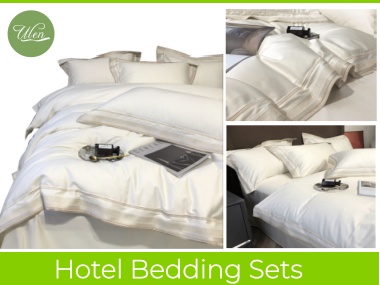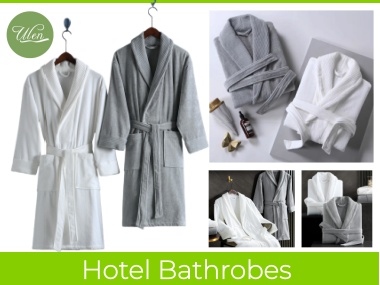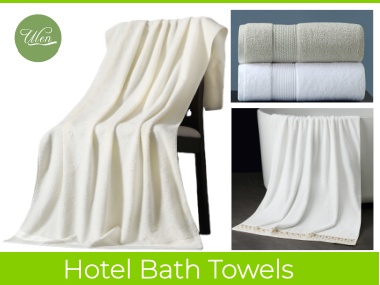
For hotel groups, large resorts, and growing chains, bulk purchasing of hotel linens represents a significant opportunity for cost savings and supply chain efficiency. However, navigating large orders brings its own complexities: how do you secure the best possible price without sacrificing quality, and how do you manage Minimum Order Quantities (MOQs) that may initially seem daunting?
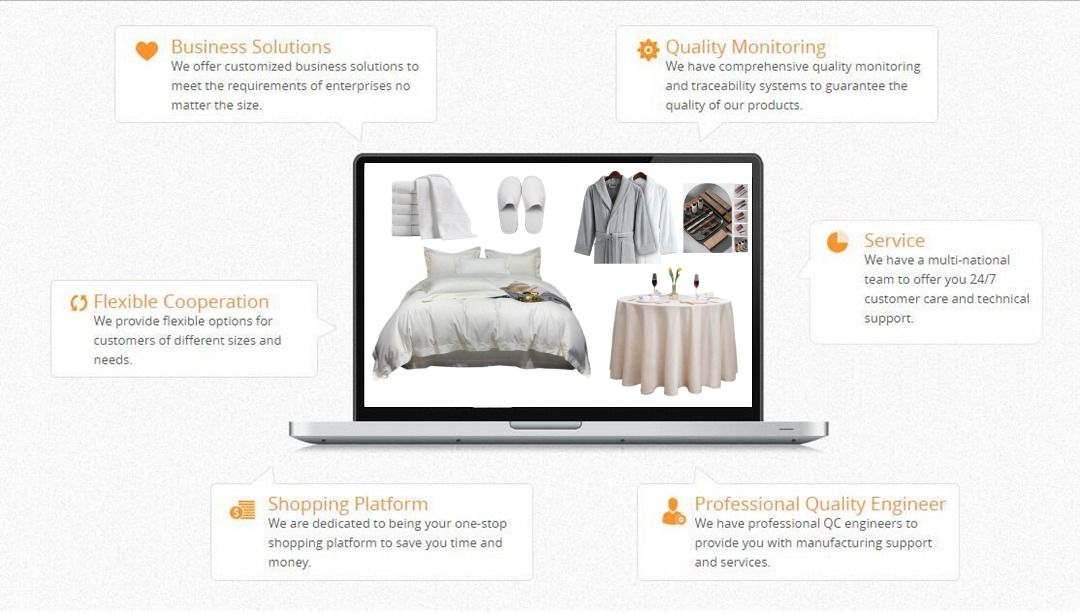
This Ulen guide is your strategic playbook for high-volume procurement. We move beyond basic haggling to provide a data-driven framework for negotiating favorable pricing, optimizing MOQs, and building supplier partnerships that deliver superior long-term value on your bedding, bath, and table linen investments.
Part 1: The Foundation – Prepare to Negotiate from a Position of Strength
Successful negotiation starts long before you ask for a discount. It’s built on preparation and clarity.
-
Consolidate and Standardize Your Demand:
-
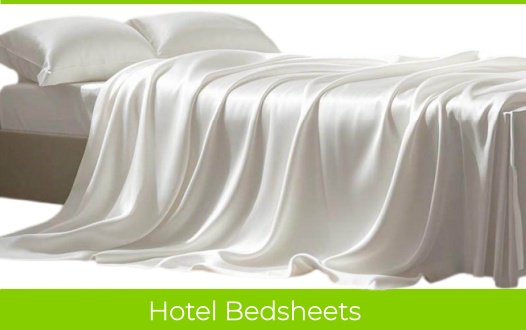
Action: Before approaching suppliers, aggregate the linen needs across all your properties or for a major renovation. Drastically reduce your SKU count. Can all rooms use the same towel? The same bedsheet thread count and color?
-
Why It Works: A single, massive order for one item is infinitely more attractive to a supplier than ten smaller orders for different items. It reduces their complexity and guarantees volume, which is your primary leverage.
-
-
Calculate Your “True” Baseline: Total Cost of Ownership (TCO):
-
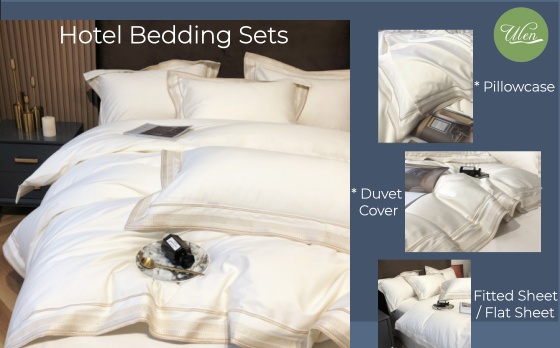
Action: Know your numbers. For key items for bedding sets, calculate the Cost-Per-Use (CPU):
(Item Price) ÷ (Expected Laundry Cycle Lifespan). Also, factor in the logistical and labor costs of managing multiple small shipments versus one consolidated one. -
Why It Works: This shifts the conversation from “unit price” to “long-term value.” It allows you to justify investing in a higher-quality, slightly more expensive item if its CPU is lower, and it shows the supplier you are a sophisticated buyer.
-
-
Gather Competitive Intelligence:
-
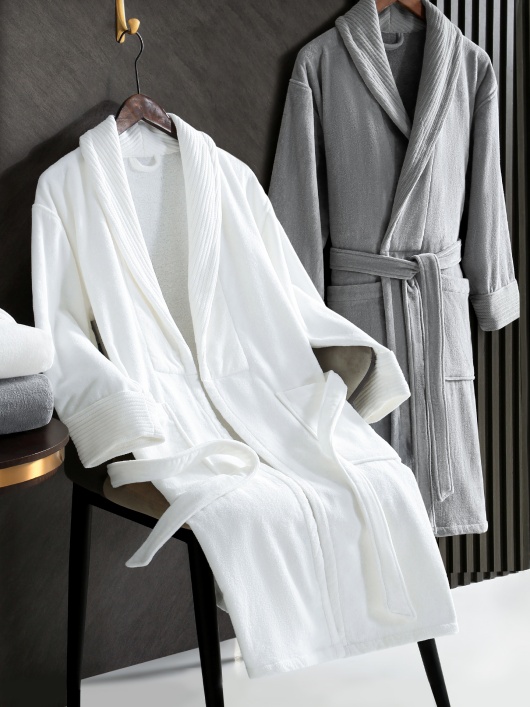
Action: Obtain quotes from 2-3 qualified suppliers for your consolidated list for bathrobes. Don’t just compare the bottom-line price; compare the specifications, payment terms, and shipping costs.
-
Why It Works: Knowledge is power. Understanding the market rate prevents you from overpaying and gives you a benchmark for negotiation. You’re not asking for a discount out of thin air; you’re aligning with market value.
-
Part 2: The Price Negotiation Playbook – Tactics That Work
With preparation done, employ these targeted tactics.
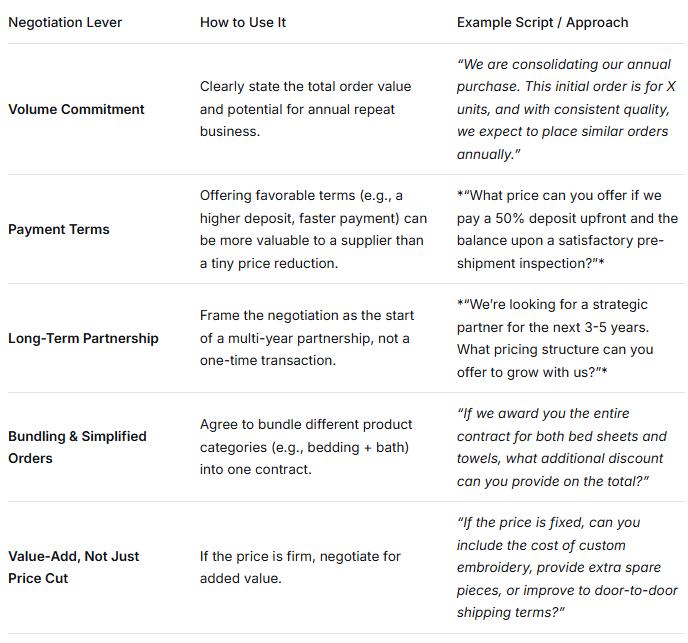
Part 3: Mastering MOQs – Making Minimums Work for You
MOQs exist for a supplier’s production efficiency. Your goal is to meet them on your terms.
-
Understand the “Why” Behind the MOQ: Is it due to fabric dye lots, minimum cutting lengths, or container fill optimization? Understanding this helps you find alternatives (e.g., choosing a stock color instead of a custom one has a much lower MOQ).
-
Strategies to Manage High MOQs:
-
Phased Delivery: Negotiate to meet the total MOQ but have it shipped in 2-3 batches over 6-12 months. This eases cash flow and storage.
-
Consortium Buying: For independent hotels, explore partnering with non-competing properties to aggregate orders and meet higher MOQ tiers for better prices.
-
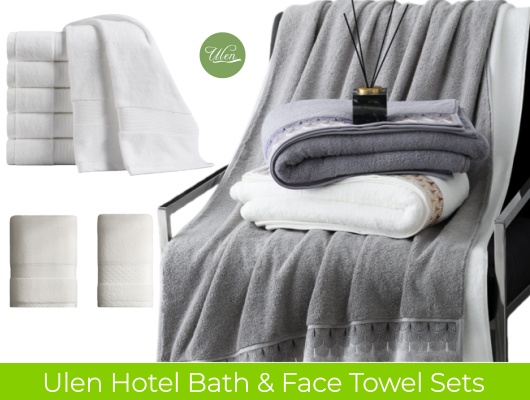
Flexibility on Specifications: Ask, “What similar item in your inventory has a lower MOQ?” A standard-size towel will have a lower MOQ than a custom-sized one.
-
Part 4: The Final Steps – Locking in Value and Ensuring Quality
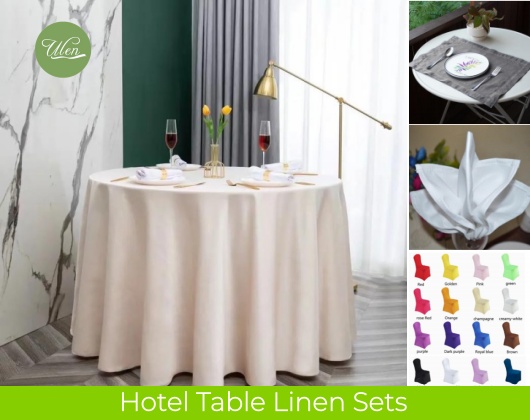
A good deal is only good if the table linen product meets your standards.
-
Get Everything in Writing: The final negotiated price, MOQ, payment terms, delivery schedule, and detailed product specifications (GSM, thread count, fabric composition, OEKO-TEX certification) must be in the purchase contract.
-
Never Waive the Pre-Shipment Sample: Before full production begins, pay for a pre-production sample made to exact specs. Before shipment, insist on a pre-shipment inspection report (often done by a third party) to verify quality and quantity.
-
Plan for the Relationship: Schedule a performance review after the first major shipment and laundry cycle. Discuss what’s working and what could be improved for the next order.
Conclusion: Bulk Buying as a Strategic Advantage
Negotiating bulk linen purchases is a core business competency for scalable hospitality operations. By preparing with consolidated data, negotiating with partnership levers (not just price cuts), and creatively managing MOQs, you transform procurement from a cost center into a source of competitive advantage and significant savings.
Ready to Negotiate Your Best Bulk Deal?
As a vertically integrated manufacturer, we are structured to support large-scale hotel partners with transparent pricing, flexible MOQs, and the consistent quality that makes bulk purchasing truly worthwhile.
Contact Ulen bulk sales team for a Consolidated Volume Quote. Share your aggregated needs, and let us demonstrate how our efficiency translates into your savings and supply chain simplicity.
FAQs for Smart Procurement – Bulk Hotel Linens: How to Negotiate Price & MOQs
1. What is the first step to negotiating better prices on bulk hotel linens?
Consolidate and standardize your demand. Aggregate linen needs across all your properties or for a major renovation. Reduce SKUs dramatically – can all rooms use the same towel, sheet, or robe? A single large order for one item gives you far more leverage than multiple small orders for different items.
2. How do I calculate my true baseline cost before negotiating?
Calculate Total Cost of Ownership (TCO) and Cost-Per-Use (CPU) for key items. Formula: CPU = Purchase price ÷ Expected wash cycles. This shifts the conversation from unit price to long-term value, allowing you to justify higher-quality items with lower CPU and showing suppliers you are a sophisticated buyer.
3. How many suppliers should I get quotes from before negotiating?
Obtain quotes from 2–3 qualified suppliers for your consolidated list. Don’t just compare bottom-line price – compare specifications, payment terms, shipping costs, and certifications. Market intelligence prevents overpaying and gives you benchmarks for negotiation.
4. What is the most effective tactic for negotiating lower linen prices?
Leverage volume and long-term commitment. Offer a larger total order value or a multi-year contract in exchange for tiered pricing. Suppliers value predictable, repeat business. Also, ask for better pricing on standard colors and sizes rather than custom specifications.
5. Why do suppliers have Minimum Order Quantities (MOQs) for linens?
MOQs exist for production efficiency – due to fabric dye lots, minimum cutting lengths, container fill optimization, or machine setup costs. Understanding the reason helps you find alternatives (e.g., stock color vs. custom color has much lower MOQ).
6. How can I manage high MOQs without overstocking?
Use phased delivery. Negotiate to meet the total MOQ but have it shipped in 2–3 batches over 6–12 months. This eases cash flow, reduces storage needs, and aligns with your replacement cycle.
7. What is consortium buying, and how does it help with MOQs?
Consortium buying means partnering with non-competing hotels or properties to aggregate orders. Combined volume meets higher MOQ tiers, unlocking better pricing for everyone. This is especially useful for independent hotels or small chains.
8. Can I negotiate a lower MOQ by changing specifications?
Yes. Ask suppliers: “What similar item in your inventory has a lower MOQ?” A standard-size towel or a stock color will have a lower MOQ than custom sizing or custom dye. Flexibility on specifications can significantly reduce MOQ requirements.
9. What should be included in a bulk linen purchase contract?
The contract must include: negotiated price, MOQ, payment terms, delivery schedule, shipping method, and detailed product specifications (GSM, thread count, fabric composition, OEKO-TEX certification). Also include quality acceptance terms and penalties for non-compliance.
10. Why is a pre‑shipment sample important for bulk linen orders?
A pre‑production sample (made to exact specifications before full production) verifies quality, color, and construction. It prevents costly mistakes. Always pay for one. Before shipment, request a pre‑shipment inspection report (third‑party) to confirm quality and quantity.
11. How do I evaluate a supplier’s reliability for bulk orders?
Check: years in business, vertical integration (control over production), existing hotel clients, on‑time delivery record (>95%), response time, and willingness to provide test reports and samples. Ask for references from comparable‑sized properties.
12. What is the ideal par level for bulk‑purchased linens?
For items washed daily (sheets, towels, robes), maintain 3–5 par depending on occupancy and laundry turnaround. For bulk purchases, buying higher par levels (e.g., 4 instead of 3) may secure better volume pricing. Calculate storage capacity before committing.
13. How do I negotiate payment terms for large linen orders?
Request 30–60 day net terms or a deposit + balance upon shipment structure (e.g., 30% deposit, 70% before shipment). For very large orders, negotiate a letter of credit (L/C) or progress payments tied to production milestones. Avoid paying 100% upfront.
14. What is the biggest mistake hotels make when buying linens in bulk?
Focusing only on unit price instead of total cost of ownership (TCO). A cheaper towel that wears out in 80 washes costs more per use than a premium towel lasting 250 washes. Always calculate CPU and factor in laundry energy, labor, and replacement frequency.
15. How do I build a long‑term supplier partnership for better bulk pricing?
Schedule performance reviews after the first major shipment and laundry cycle. Share feedback, discuss what’s working, and commit to forecasted volumes. Suppliers reward predictable, growing relationships with better pricing, priority production slots, and flexibility on MOQs.