
Navigating the technical specifications of hotel bath linens, like bathrobes and towels can feel like learning a new language. For procurement managers, hoteliers, and designers, understanding this terminology is not academic—it’s essential for making informed investments that balance guest luxury with operational durability.
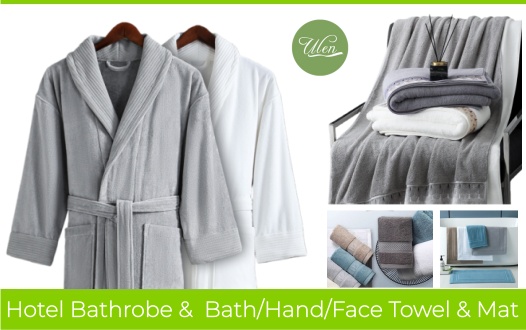
This glossary decodes the most critical terms you’ll encounter, transforming complex jargon into clear, actionable knowledge for your next purchasing decision.
Fabric & Material Fundamentals
-
Cotton
The classic natural fiber, prized for softness, absorbency, and breathability. Not all cotton is equal.-
Egyptian / Turkish Cotton: Renowned for extra-long staple fibers, resulting in stronger, smoother, more lustrous yarns that produce softer, more durable, and less lint-prone textiles.
-
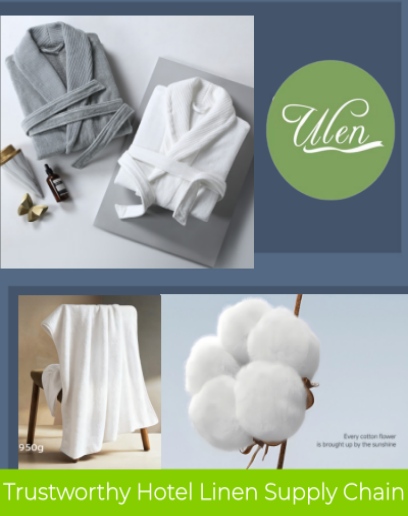
Combed Cotton: A refining process where short fibers are removed, creating stronger, smoother yarns that enhance softness, reduce pilling, and improve absorbency.
-
Ring-Spun Cotton: A meticulous spinning technique that creates a stronger, finer, and softer yarn with a slightly textured feel, known for exceptional durability.
-
-
Microfiber / Polyester
A category of synthetic fibers finer than silk. In hospitality, it’s engineered for performance.-
Key Traits: Known for being extremely quick-drying, lightweight, durable, and resistant to shrinking and wrinkles. High-quality microfiber should feel luxuriously soft, not slick or plastic-like.
-
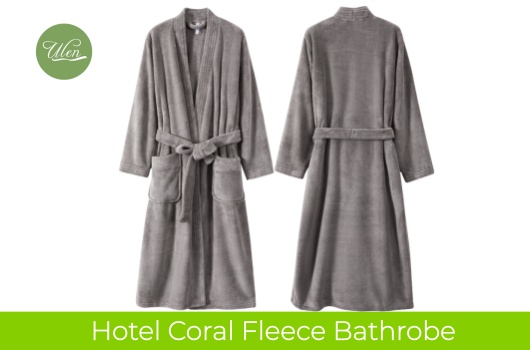
Coral Fleece: A specific type of brushed polyester fabric with a distinctive, ultra-plush, and fuzzy texture, offering exceptional warmth and a cozy feel.
-
-
Bamboo (Viscose)
A regenerated cellulose fiber made from bamboo pulp.-
Key Traits: Offers a naturally silky-soft hand-feel, inherent moisture-wicking properties, and mild antibacterial benefits. Often blended with cotton for added strength.
-
Core Performance Metrics
-
GSM (Grams per Square Meter)
The single most objective measure of a textile’s density and weight. It directly indicates plushness, absorbency, and often drying time.-
Application: A 500-600 GSM towel is a robust commercial standard. A 400+ GSM robe is considered mid-weight. Higher GSM generally means greater luxury but slower drying.
-
-
Absorbency
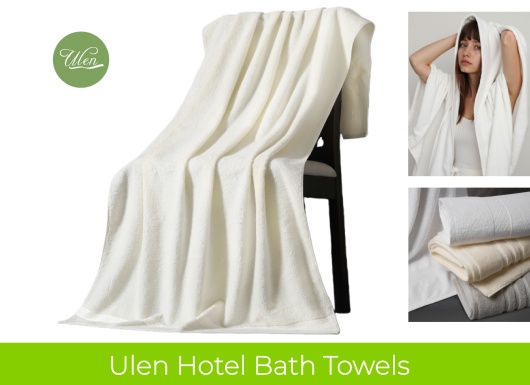
The fabric’s ability to quickly wick and retain moisture. It’s a function of fiber type, GSM, and hotel towel fabric structure (like terry loops). High absorbency is non-negotiable for guest satisfaction.
-
Colorfastness
The resistance of a fabric’s dye to fading or bleeding during washing, exposure to light, or contact with chemicals (like bleach). Poor colorfastness leads to a faded, worn appearance prematurely.
Construction & Weave Types
-
Terry
The classic, absorbent looped pile fabric used for most bath towels and robes. The density and height of the loops affect feel and performance.-
Turkish Terry: Loops are uncut, creating a softer, more textured surface that is highly absorbent.
-
French Terry: Has loops on one side and a smooth, flat knit on the other, often used for lighter-weight robes.
-
-
Waffle Weave
A distinctive honeycomb-patterned weave that is lightweight, highly breathable, and quick-drying. Common in spa robes and lighter towels.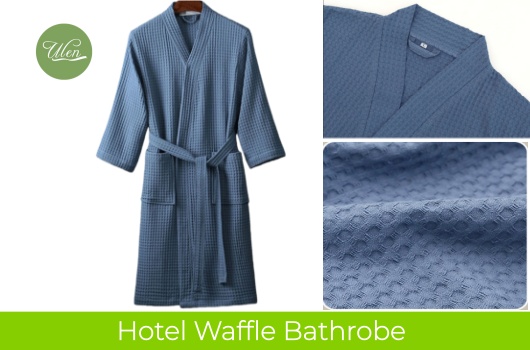
-
Brushed Fabric
A finishing process where the fabric surface is raised, creating an ultra-soft, fuzzy, and warm nap. Coral fleece is a prime example.
Certifications & Standards
-
OEKO-TEX® Standard 100
The leading global independent certification system for textiles. A product with this label has been tested for a wide range of harmful regulated and non-regulated substances, proving it is safe for human skin contact—a critical standard for hospitality. -
Thread Count (Relevant for certain robes)
While pivotal for sheets, it’s less cited for terry products. For lighter robe fabrics (e.g., sateen robes), it indicates the number of threads per square inch, relating to fineness and hand-feel.
Durability & Care Terms
-
Commercial/Industrial Laundry Grade
Signifies the hotel bathrobe product is specifically engineered to withstand the rigors of high-temperature washing, aggressive detergents, and industrial drying cycles over a long lifespan.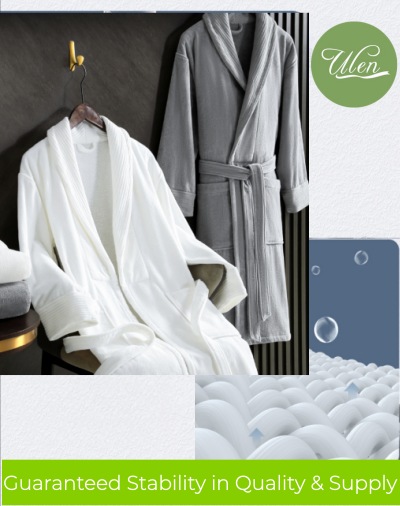
-
Pilling
The formation of small, tangled balls of fiber on the fabric surface caused by wear. Premium, long-staple fibers and tight weaves resist pilling. -
Reinforced Seams / Bar-Tacking
Extra stitching at points of stress (like robe pockets, towel hems, or belt loops) to prevent tearing and extend the life of hotel linen products.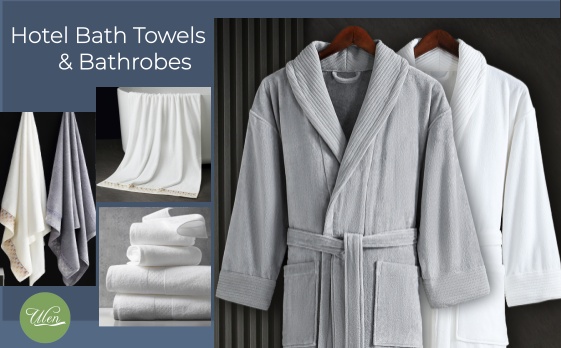
Conclusion: Speak the Language of Quality
Mastering these terms empowers you to move beyond vague promises and evaluate suppliers based on concrete, measurable specifications. It enables you to ask the right questions, understand product sheets, and ultimately select textiles that deliver on their promise of comfort, durability, and value.
Need Help Applying These Terms to Your Project?
Our team specializes in translating these technical specifications into perfect hospitality solutions. Ulen provides clear spec sheets, certified fabrics, and samples you can test against these very criteria.
1. What does GSM mean for hotel towels and bathrobes?
GSM (grams per square meter) measures the fabric weight and density. For bath towels, 500–600 GSM is the commercial standard—offering excellent absorbency and plushness while maintaining reasonable drying times. For bathrobes, 400–500 GSM provides versatile mid-weight comfort, while 600+ GSM indicates an ultra-plush spa-style robe.
2. What is the difference between Egyptian cotton and Turkish cotton?
Egyptian cotton features extra-long staple fibers that produce exceptionally strong, smooth, and lustrous yarns—ideal for a silky, luxurious feel. Turkish cotton also uses long fibers but is prized for its quick-drying properties, softness, and minimal linting, making it particularly well-suited for high-turnover hotel environments.
3. What does “combed cotton” mean, and why does it matter?
Combed cotton undergoes a refining process where short, weak fibers are removed, leaving only longer, stronger fibers. This results in:
-
Smoother, softer yarns that feel luxurious against the skin
-
Reduced pilling over time
-
Improved absorbency due to more consistent fiber alignment
-
Enhanced durability through hundreds of wash cycles
4. Is microfiber suitable for hotel bathrobes?
Yes, high-quality microfiber is an excellent choice for hotel bathrobes. It offers:
-
Exceptional softness without feeling synthetic or slippery
-
Quick-drying properties (often half the drying time of cotton)
-
Lightweight comfort that guests appreciate
-
Superior durability and stain resistance
For properties focused on operational efficiency and cost-per-use, microfiber robes deliver outstanding value.
5. What is ring-spun cotton, and how does it improve quality?
Ring-spun cotton is produced through a meticulous spinning process that twists and thins fibers into strong, fine yarns. This creates a smoother, softer texture with a subtle natural sheen. Ring-spun yarns are stronger and more durable than standard open-end yarns, resulting in textiles that maintain their quality through repeated commercial laundering.
6. What is the difference between terry and waffle weave fabrics?
Terry features looped pile construction that creates exceptional absorbency—ideal for bath towels and plush robes. Turkish terry leaves loops uncut for a softer, highly absorbent surface. Waffle weave uses a honeycomb pattern that is lightweight, highly breathable, and quick-drying, making it popular for spa robes and warm-weather properties.
7. What is coral fleece, and is it good for hotel robes?
Coral fleece is a brushed polyester fabric with a distinctive, ultra-plush, fuzzy texture. It offers:
-
Exceptional warmth and coziness that guests love
-
Lightweight feel despite its plush appearance
-
Quick-drying properties for laundry efficiency
-
Excellent durability and resistance to shrinking
It is an excellent choice for guest robes, particularly in properties with cooler climates.
8. Why is OEKO-TEX® Standard 100 certification important for hotel bath linens?
OEKO-TEX® Standard 100 is the leading global certification for textile safety. Products bearing this label have been independently tested for over 100 regulated and non-regulated harmful substances, ensuring they are safe for direct skin contact. For hotels, this certification is non-negotiable for guest safety and risk mitigation.
9. What does “commercial laundry grade” mean for towels and robes?
Commercial laundry grade indicates that a product is specifically engineered to withstand the rigors of hospitality laundry operations, including:
-
High-temperature washing (up to 75°C)
-
Aggressive detergents and occasional bleach
-
Industrial drying cycles
-
High-frequency processing (150–300+ cycles)
Products lacking this designation may degrade prematurely under commercial conditions.
10. What is pilling, and how can I prevent it?
Pilling is the formation of small, tangled fiber balls on the fabric surface caused by wear and friction. To minimize pilling:
-
Choose long-staple cotton
-
Look for combed or ring-spun yarns
-
Avoid excessive bleach and over-drying
-
Select premium blends engineered for durability
High-quality textiles resist pilling through hundreds of wash cycles.
11. What does colorfastness mean, and why does it matter?
Colorfastness measures a fabric’s resistance to fading or bleeding during washing, light exposure, or chemical contact. Poor colorfastness leads to:
-
Faded, tired-looking linens that appear worn
-
Color bleeding that stains other linens
-
Premature replacement cycles
Look for Grade 4–5 colorfastness ratings and suppliers using reactive dyes rather than pigment dyes.
12. How do I evaluate towel absorbency before purchasing?
To test absorbency:
-
Request samples and run them through your commercial laundry
-
Perform a water absorption test by placing a few drops of water on the fabric
-
Quality towels should wick moisture quickly without water beading on the surface
-
After washing, evaluate whether absorbency remains consistent
Absorbency is a function of fiber quality, GSM, and terry loop construction.
13. What is bar-tacking, and why is it important for bathrobes?
Bar-tacking is a reinforcement stitching technique that secures high-stress points such as:
-
Belt loops
-
Pocket corners
-
Seam junctions
This extra reinforcement prevents tearing and extends the lifespan of bathrobes through frequent commercial laundering. Always inspect these points on samples before bulk ordering.