
Choosing the right bath towels is a critical decision in hotel procurement. Beyond just softness, towels must withstand the relentless demands of a commercial laundry while maintaining guest satisfaction. Three technical factors are paramount: GSM (weight), Weave (construction), and Commercial Laundry Durability.
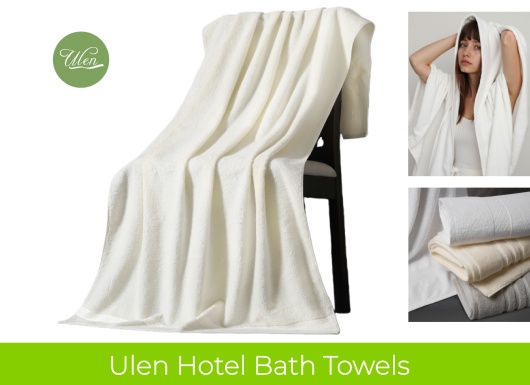
This guide breaks down these elements to help you make a smart, cost-effective purchase that balances luxury with longevity.
1. Understanding GSM: The Weight of Luxury
GSM (Grams per Square Meter) measures a towel’s density and weight. It’s the primary indicator of absorbency, feel, and drying time.
-
Low GSM (300-400): Lightweight & Quick-Drying.
-
Best for: Budget hotels, gyms/spas (for frequent changeovers), or as hand towels. They are less plush, dry fastest, and have lower laundry weight costs.
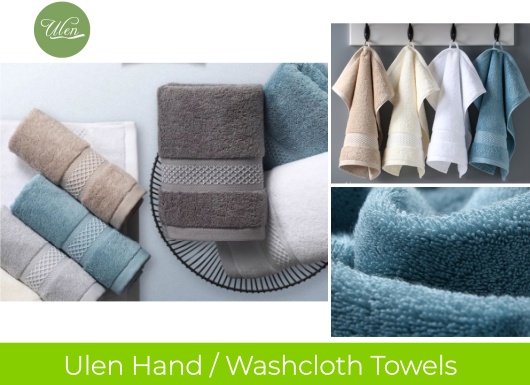
-
-
Medium GSM (500-600): The All-Round Performer.
-
Best for: Mid-scale hotels, limited-service properties, and high-turnover rooms. Offers a good balance of decent absorbency, reasonable drying time, durability, and cost. This is the most common commercial sweet spot.
-
-
High GSM (700+): Premium Plush & Absorbent.
-
Best for: Luxury hotels, resorts, and suites. Provides a heavy, spa-like feel and superior absorbency. However, they take longer to dry (increasing energy costs), are heavier to launder, and have a higher initial cost.
-
Don’t just chase the highest GSM. A 500-600 GSM towel often provides the optimal ROI for commercial use, combining guest comfort with operational efficiency.
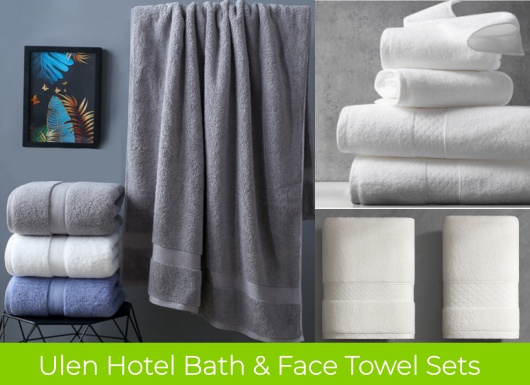
2. Decoding Weave & Construction: Durability & Feel
The weave determines the towel’s texture, strength, and performance.
-
Terry Weave: The classic standard. Loops of yarn (pile) are exposed on both sides, creating the familiar soft, absorbent surface. The quality depends on:
-
Loop Integrity: Tight, uniform loops resist snagging and last longer.
-
Yarn Type: Combed cotton (longer fibers) is stronger and softer than carded cotton.
-
-
Jacquard Weave: Involves weaving patterns or hotel logos directly into the fabric. While aesthetically premium, the raised patterns can wear down faster in commercial wash cycles. Best used selectively for suite towels or logos on a border.
-
Pique Weave: A flatter, tighter weave with a waffle or honeycomb pattern. Very durable, lightweight, and quick-drying. Excellent for spa or gym towels where speed of turnover is key.
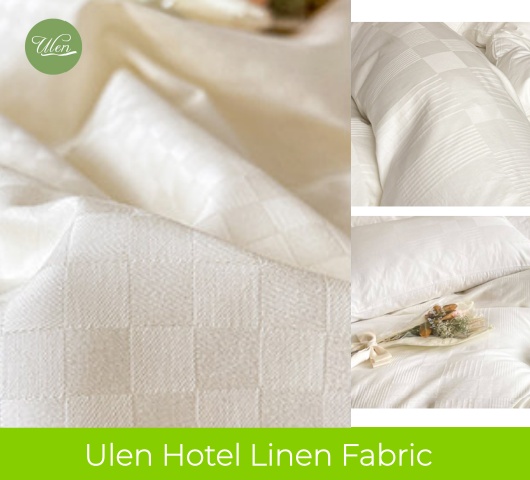
3. The Non-Negotiable: Commercial Laundry Testing
This is where hotel towels live or die. A towel’s true cost is its Total Cost of Ownership (TCO) over its lifespan.
Always conduct or request a Commercial Laundry Test before bulk purchasing. Here’s what to test for:
-
Colorfastness: Does the color bleed or fade significantly after 50+ industrial washes?
-
Shrinkage: Reputable suppliers will pre-shrink towels, but always verify. Aim for less than 5% shrinkage.
-
Tensile Strength: Do the hems and seams hold? Does the terry loop pull or tear easily after repeated washing?
-
Softness Retention: Does the towel become harsh or stiff over time? Quality towels use durable softeners in the yarn.
-
Pilling: Does the surface develop fuzzy balls? This indicates lower-grade yarn or construction.
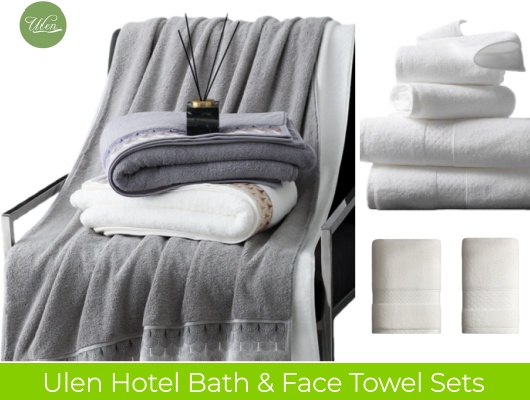
Procurement Checklist for Your Supplier:
-
“Can you provide a test report from an independent lab or a sample for our own laundry to test?”
-
“What is the expected lifespan in wash cycles for this towel?”
-
“What is your thread strength and hem/stitch specification?”
Selecting the perfect hotel bath towel requires a strategic balance. GSM dictates weight and absorbency, the Weave affects texture and durability, and Commercial Laundry Tests reveal the true long-term value.
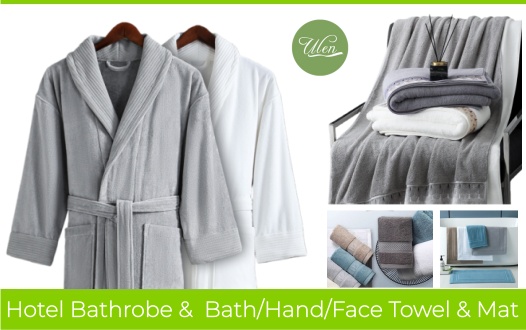
Final Verdict for Most Hotels:
For optimal durability, cost, and guest appeal, prioritize a medium-weight (500-600 GSM) terry weave towel made from high-quality, combed cotton or a durable cotton-polyester blend. Always validate your choice with a real-world laundry test to ensure it meets the rigorous demands of your operation.
By focusing on these technical specs, you invest in towels that enhance the guest experience while minimizing replacement cycles and operational costs.
FAQs How to Buy Hotel Bath Towels: Ulen Guide to GSM, Weave & Commercial Laundry Tests
1. What is GSM for hotel bath towels, and why does it matter?
GSM (grams per square meter) measures the towel’s density and weight. It directly affects absorbency, feel, and drying time. Higher GSM means thicker, more plush towels but slower drying; lower GSM means lighter, faster-drying towels with less luxury feel.
2. What GSM range is best for most mid-scale hotels?
500–600 GSM is the commercial sweet spot for most mid-scale and limited-service hotels. It balances decent absorbency and plushness with reasonable drying time and laundry energy costs, offering the best ROI.
3. When should I choose low-GSM towels (300–400 GSM)?
Low-GSM towels are ideal for budget hotels, gyms, spas, or high-turnover pool areas where fast drying and lightweight handling are priorities. They are less plush but dry quickly and reduce laundry weight costs.
4. Are high-GSM towels (700+) worth the investment for luxury properties?
Yes for luxury hotels, resorts, and suites. High-GSM towels deliver a heavy, spa-like feel and superior absorbency. However, they have higher upfront cost, longer drying times, and increased energy bills. Reserve them for premium guestrooms and spas.
5. What is the most durable weave for hotel bath towels?
Terry weave with tight, uniform loops is the most durable and absorbent standard. For heavy-duty use, pique weave (flatter, waffle-like pattern) is extremely durable, lightweight, and quick-drying – excellent for spa or gym towels.
6. How does jacquard weave affect towel durability?
Jacquard weaves create patterns or logos directly into the fabric. While visually premium, raised patterns can wear down faster in commercial laundering. Best used selectively for suite towels or logos placed on borders where wear is lower.
7. What commercial laundry tests should I perform before bulk ordering?
Test for:
-
Colorfastness (fading or bleeding after 50+ washes)
-
Shrinkage (aim for <5%)
-
Tensile strength (hem and seam integrity, loop snagging)
-
Softness retention (does it become harsh?)
-
Pilling (surface fuzz balls indicate low quality)
8. How do I request a commercial laundry test from a supplier?
Ask: “Can you provide a test report from an independent lab or a sample for our own laundry to test for colorfastness, shrinkage, and durability over 50–100 cycles?” A confident supplier will agree.
9. What is the expected lifespan of a quality hotel bath towel in wash cycles?
A premium towel (500–600 GSM, combed cotton or quality blend) typically lasts 200–300 industrial wash cycles. Lower-quality towels may fail in under 100 cycles. Always request supplier lifespan data.
10. How does towel weave affect drying time in commercial laundry?
Pique weave dries fastest due to its flat, open structure. Terry weave with dense loops takes longer. Low-GSM towels of any weave dry faster than high-GSM. Faster drying reduces energy costs and increases laundry turnover.
11. What is the best towel material for high-turnover hotels?
A 500–600 GSM terry weave made from a cotton-polyester blend (e.g., 80/20) offers durability, faster drying, stain resistance, and lower cost-per-use than 100% cotton. It is ideal for properties with heavy daily laundry loads.
12. How do I calculate total cost of ownership (TCO) for bath towels?
TCO = (Purchase price ÷ expected wash cycles) + (energy cost per dry × cycles) + replacement labor. A slightly more expensive towel that lasts twice as long often has lower TCO. Use cost-per-use (CPU) as your primary metric.
13. What shrinkage rate is acceptable for hotel bath towels?
Acceptable shrinkage is less than 5% after multiple industrial washes. Reputable suppliers pre-shrink towels. Always verify with your own wash test; excess shrinkage leads to misshapen, unappealing towels.
14. How does loop integrity affect terry towel durability?
Tight, uniform terry loops resist snagging, pulling, and premature wear. Loose or uneven loops catch on laundry equipment and degrade quickly. Inspect samples under light – loops should be dense and consistent.
15. What is the single most important test for hotel bath towel procurement?
The commercial laundry test. No specification replaces running a sample through 10–20 cycles in your actual laundry. Evaluate shrinkage, color loss, softness, and seam strength. This test prevents costly mistakes and ensures real-world performance.