Have you ever sunk into a stunning hotel bed and wondered, “How can I get this at home?” The secret often lies in the bedding. For years, thread count has been the go-to metric for quality. But savvy shoppers and hospitality professionals are now paying attention to GSM (grams per square meter). So, which one truly defines luxurious, hotel-quality bed sheets?
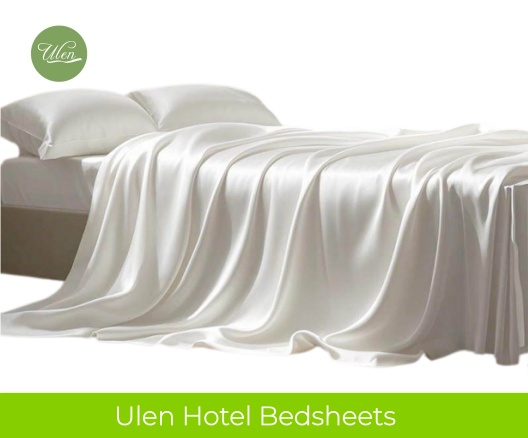
This guide cuts through the marketing hype to reveal what really matters for durability, feel, and that iconic hotel sleep experience.
Thread Count Demystified: The Classic Measure
Thread count (TC) refers to the number of threads (both horizontal weft and vertical warp) woven into one square inch of fabric.
-
The Promise: Higher thread count suggests a softer, finer, and more durable hotel linen fabric.
-
The Reality: While important, thread count has its limits. A count between 200-400 is often the sweet spot for quality. Beware of extremely high numbers (like 1000+), which can be artificially inflated using multi-ply yarns or inferior, thin threads, resulting in a heavy, less breathable fabric that may not be as durable.
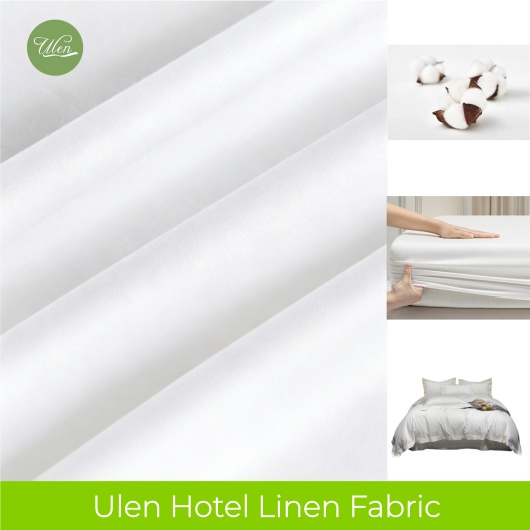
GSM Explained: The Metric of Substance
GSM (Grams per Square Meter) measures the weight and density of the fabric itself. It tells you how much material is actually in the sheet.
-
Lightweight: 90-120 GSM (like classic percale, crisp and cool)
-
Medium Weight: 130-200 GSM (a versatile, year-round feel)
-
Heavyweight: 200+ GSM (like dense sateen or flannel, warm and luxurious)
GSM is a harder metric to manipulate and gives a more honest picture of the hotel linen fabric’s substantial feel and likely durability.
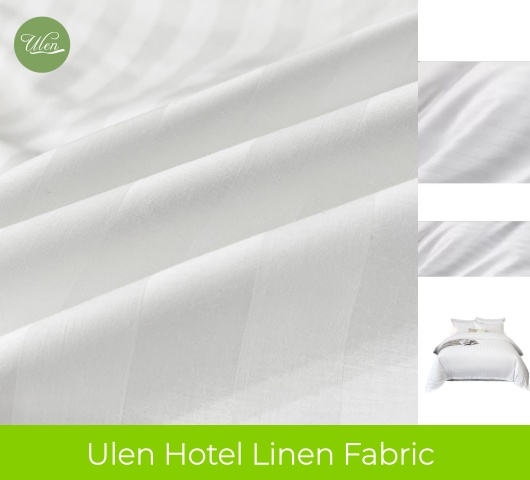
The Head-to-Head: Thread Count vs. GSM
Think of it this way:
-
Thread Count is about the number of roads in the weave.
-
GSM is about the quality and thickness of the asphalt on those roads.
You can have many thin, weak threads (high TC, low GSM) resulting in a flimsy sheet. Conversely, you can have a lower count of superb, thick threads (lower TC, high GSM) creating a magnificent, long-lasting fabric for hotel bedding sets.
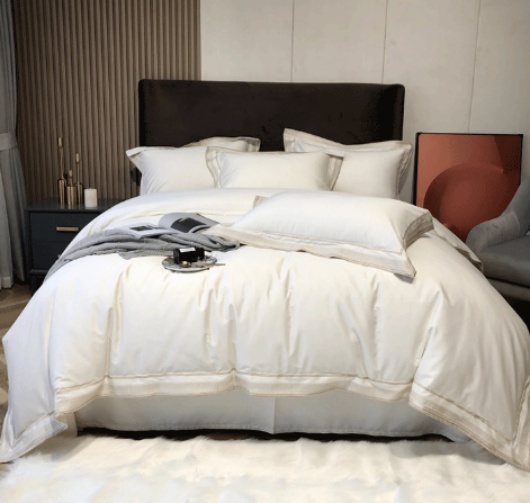
What Hotels Really Prioritize (And You Should Too)
Luxury hotels choose bedding for feel, durability, and ease of care. They look at the complete picture:
-
Fabric Type (The Most Important Factor):
-
Egyptian or Pima Cotton: Long-staple fibers for superior softness and strength.
-
Percale Weave: A crisp, matte, and breathable one-over-one-under weave. Often has a lower TC (200-400) but a moderate GSM, offering a cool, classic hotel feel.
-
Sateen Weave: A silky, lustrous weave with a three-over-one-under pattern. It feels heavier and warmer, with a higher GSM for that “draping” luxury.
-
-
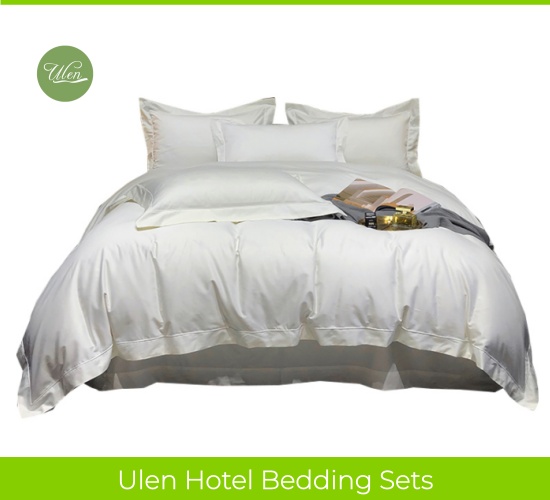
GSM for Durability: Hotels need hotel bed linens, such as bed sheets that withstand industrial laundry. A good GSM (e.g., 120+ for percale, 180+ for sateen) indicates a fabric that will survive countless washes without thinning.
-
A Sensible Thread Count: They often target that 200-400 TC range, focusing on the quality of yarn within it.
-
Finish & Feel: Chemical finishes can create initial softness but wash out. Hotels value natural softness from high-grade cotton.
Your Actionable Guide to Choosing Bedding
Stop focusing on one number. Use this checklist:
-
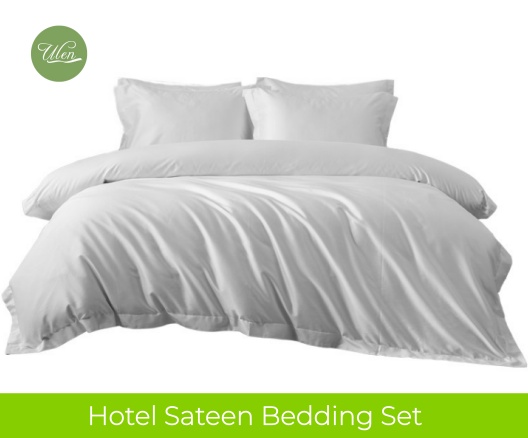
Step 1: Choose Your Weave & Feel. Do you prefer crisp & cool (Percale) or smooth & warm (Sateen), like hotel sateen bedding set?
-
Step 2: Check the Material. Look for “Long-Staple Cotton,” “Egyptian,” or “Supima®.”
-
Step 3: Evaluate GSM & TC Together. For Percale, seek TC 200-400 with GSM 100-140. For Sateen, TC 300-600 with GSM 180-300 is typical.
-
Step 4: Feel It! If possible, touch the fabric. Does it have a substantial, pleasant handfeel?
The Verdict: What Truly Matters?
While thread count is a useful indicator, GSM is a more reliable measure of density and quality. However, neither is the sole answer.
The winning formula is: Premium Fiber (Long-Staple Cotton) + Quality Weave (Percale/Sateen) + Balanced GSM & Thread Count.
For that authentic, luxurious hotel bedding experience, prioritize the weave and material first, then use GSM as your key metric for substance, and view thread count as a secondary check. This holistic approach will lead you to sheets that are not only indulgent but also stand the test of time—just like the best hotel linens.
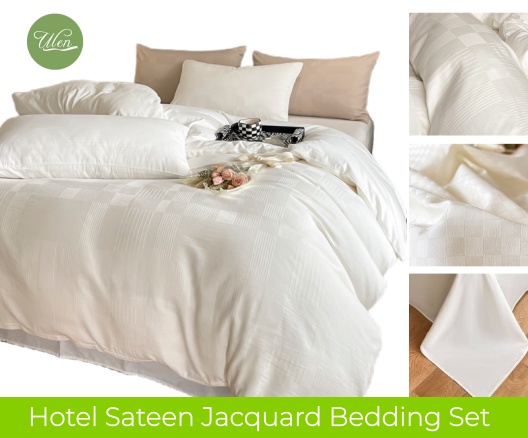
Ready to upgrade your sleep? Start your search by exploring high-quality percale or sateen weaves from reputable hotel linen brand ulen that disclose both GSM and thread count.
1. What is more important for hotel sheets: thread count or GSM?
For hotel bedding, GSM (grams per square meter) is often a more reliable indicator of fabric density and durability than thread count alone. While thread count measures the number of threads per square inch, GSM measures fabric weight—a metric that is harder to manipulate and gives a truer picture of how the sheets will hold up under commercial laundering.
2. What thread count do luxury hotels actually use for their bed linens?
Most luxury hotels target a thread count between 200 and 400. This range offers the optimal balance of softness, breathability, and durability. Extremely high thread counts (800–1000+) are often artificially inflated using multi-ply yarns and tend to trap heat, making them less suitable for the high-turnover, industrial laundry environment of a hotel.
3. What is a good GSM for hotel-quality sheets?
A good GSM depends on the weave:
-
Percale sheets: 100–140 GSM (crisp, cool, breathable)
-
Sateen sheets: 180–300 GSM (smooth, warm, with a heavier drape)
Sheets with GSM below 90 tend to feel flimsy and wear out quickly, while higher GSM generally indicates better durability and a more substantial hand feel.
4. What is the difference between percale and sateen weave for hotel bedding?
Percale features a one-over-one-under weave, resulting in a crisp, matte finish that feels cool and breathable—ideal for warm climates or guests who prefer a lighter feel. Sateen uses a three-over-one-under weave, creating a silky, lustrous surface with a heavier drape and warmer hand feel, often associated with luxury suites and premium guestrooms.
5. Why do some high thread count sheets feel flimsy or wear out quickly?
High thread count numbers can be artificially inflated by using multi-ply yarns—twisting two or three thin fibers together and counting each ply as a separate thread. This creates a heavier sheet that is often less breathable and more prone to pilling. What matters more is the quality of the individual fibers and the fabric weight (GSM) .
6. What type of cotton do hotels use for durable, long-lasting sheets?
Hotels prioritize long-staple cotton fibers such as Egyptian cotton, Pima cotton cotton. These fibers are longer and stronger than short-staple cotton, resulting in sheets that resist pilling, fraying, and thinning through hundreds of commercial wash cycles.
7. How do I evaluate sheet samples for my hotel before placing a bulk order?
Wash samples 10–15 times in your commercial laundry to evaluate:
-
Shrinkage percentage (aim for less than 5%)
-
Pilling or surface deterioration
-
Color retention and fading
-
Overall hand feel after repeated laundering
Never rely on initial “out-of-box” softness, which may come from chemical finishes that wash out quickly.
8. What is the best fabric for hotel sheets that withstand frequent industrial laundering?
Long-staple cotton in a percale or sateen weave with a balanced GSM offers the best combination of durability and guest comfort. Percale with 200–400 TC and 100–140 GSM delivers crispness and longevity, while sateen with 300–600 TC and 180–300 GSM provides a luxurious feel with excellent durability when sourced from reputable mills.
9. How do I calculate the true cost-per-use for hotel bed sheets?
Use the formula: Cost-Per-Use = Purchase Price ÷ Expected Wash Cycles.
A premium sheet lasting 300–500 cycles may have a lower cost-per-use than a cheaper sheet that requires replacement after 100–150 cycles. Factor in labor savings from reduced replacement frequency and guest satisfaction metrics for a complete ROI assessment.
10. What inventory formula (par level) should I use for hotel bed linens?
Standard hospitality practice uses a 3–5 par system:
-
Par 1: On beds in use
-
Par 2: In laundry processing
-
Par 3: In clean storage
-
Additional pars may be held for peak occupancy, unexpected stains, or delays. A 15–20% buffer is also recommended.
11. Can I rely on thread count alone when sourcing hotel sheets?
No. Thread count alone can be misleading. A sheet with 300 TC, 120 GSM, and long-staple cotton will typically outperform a sheet with 800 TC made from short-staple, multi-ply yarns in terms of breathability, durability, and guest satisfaction. Always evaluate the complete picture: fiber, weave, GSM, and construction.
12. What does GSM mean for hotel bedding durability?
GSM measures the weight of fabric per square meter and directly correlates with density and durability. Sheets with higher GSM tend to be thicker, more resistant to wear, and better able to withstand the high-temperature, high-alkalinity washes common in commercial laundry operations. Low-GSM sheets often thin out and develop holes prematurely.
13. How do I verify a hotel linen supplier’s quality claims?
-
Request wash test samples and run them through your own laundry
-
Ask for third-party laboratory reports on GSM, thread count, and shrinkage
-
Check references from comparable hotels
-
Verify on-time delivery rates (>95%) and response times
-
Look for suppliers with high reorder rates, which indicate consistent quality
14. What is the winning formula for selecting hotel bedding that lasts?
The formula is: Premium Fiber (long-staple cotton) + Quality Weave (percale or sateen) + Balanced GSM and Sensible Thread Count. Start by choosing the weave based on your desired guest experience (crisp and cool vs. smooth and warm). Then, prioritize fiber quality and GSM as your key indicators of durability, using thread count as a secondary validation point.