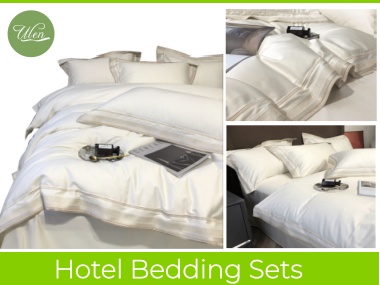
For hotel operators and procurement managers, replacing bedding too soon wastes budget; replacing it too late damages your reputation. Relying on a fixed time-based schedule (like “replace every 2 years”) is ineffective, as wear depends on occupancy, laundry cycles, and fabric quality. The key is to move to a condition-based replacement strategy.
This guide provides a systematic, visual, and financial framework to determine the precise moment to retire your sheets and pillowcases, optimizing both cost and guest comfort.
Why a “Wash-Cycle” Mindset is Critical
A sheet’s life is measured not in years, but in commercial laundry cycles. A high-occupancy city hotel might put a sheet through 150 cycles in one year, while a seasonal resort may only reach 50. Tracking cycles, not calendar time, is the first step to accurate forecasting.
The 5-Point Condition Checklist: Signs It’s Time to Replace
Conduct this simple inspection every quarter. If a sheet or pillowcase shows 2 or more of these signs, it’s time to decommission it from guest rooms.
-
The Light Test: Fabric Thinning
Hold the sheet up to a strong light or window. Are there visible thin spots, especially in the center third of the bed (where most body contact occurs)? Thinning fabric will tear soon. -
The Pill & Bobbing Test: Surface Degradation
-
Pilling: Rub the fabric surface firmly with your palm. Do small fiber balls (pills) form? This creates a rough, cheap feel.
-
Bobbing: For sateen-weave cotton, check for broken threads that form small loops or “bobs” on the surface, often caused by snagging.
-
-
The Stain & Discoloration Test: Irreversible Damage
Have stubborn stains (body oils, makeup, rust) or overall yellowing/greying resisted professional laundering? This indicates fabric breakdown and hygiene concerns. -
The Elasticity & Seam Test (Fitted Sheets & Pillowcases)
-
Do fitted sheet corners no longer grip the mattress tightly?
-
Are seams fraying, splitting, or coming undone?
-
Do pillowcase openings feel loose and baggy?
-
-
The Guest Comfort Test: Loss of Hand Feel
Does the fabric feel stiff, harsh, or “board-like” instead of soft and crisp? This is a result of fiber damage from repeated washing.
How to Calculate a Realistic Replacement Timeline
Use this formula to forecast your budget and procurement needs:
Replacement Timeline (Months) = Total Lifespan (Wash Cycles) / Average Wash Cycles Per Month
Example:
-
Sheet Quality: A premium 300-thread-count percale sheet with a tested lifespan of 180 cycles.
-
Your Hotel’s Usage: 85% occupancy, single use per guest = ~26 cycles/month.
-
Calculation: 180 cycles / 26 cycles/month = ~6.9 months until replacement is needed.
This starkly contrasts with an untested “2-year” schedule and explains why budgets often fall short.
Proactive Strategies to Extend Bedding Lifespan
-
Implement a Linen Rotation System: Systematically cycle sheets from high-occupancy rooms to low-occupancy rooms (e.g., suites to standard rooms) to even out wear.
-
Optimize Laundry Protocols: Partner with your laundry to ensure correct water temperature, chemical dosage, and avoiding over-drying—the top causes of premature fabric death.
-
Conduct Quarterly “Culling”: Have housekeeping supervisors remove worn items during deep cleans, preventing them from ever reaching a guest’s bed.
The Cost of Getting It Wrong: A Mini Case Study
A 200-room hotel using a flawed 18-month schedule discovered, through condition audits, that their sheets actually needed replacement every 8 months. The “schedule” had created a hidden 10-month deficit, causing:
-
Increased emergency purchases at premium prices.
-
A 30% rise in guest complaints about bed comfort.
-
An inconsistent room experience (mix of old and new sheets).
Shifting to a condition-based model saved 15% on annual linen costs and standardized quality.
Your Action Plan & Free Tool
-
Audit Now: Randomly pull 10 sheets and 10 pillowcases from circulation. Use the 5-Point Checklist above. What percentage fail?
-
Establish a Baseline: Tag a new batch of linens with a start date and track their laundry cycles to determine your property’s actual lifespan.
-
Download Our Free Template: Streamline the process with our Hotel Bedding Replacement Audit & Schedule Template.
Conclusion: Replace Based on Evidence, Not Assumption
A proactive, inspection-based approach to bedding replacement is a hallmark of professional hotel asset management. By abandoning arbitrary calendars and adopting a cycle-based, condition-monitored system, you gain precise control over a major operating expense, ensure consistent guest satisfaction, and protect your property’s reputation for quality.
Start this quarter. Audit one floor. The data you collect will immediately justify a smarter, more financially sound linen management strategy.