
Table linen in a hotel restaurant is more than just a functional covering; it is a silent ambassador of your brand’s standards. A crisp tablecloth, a perfectly folded napkin, and coordinated chair covers directly shape the guest’s first impression of your dining experience. However, navigating the world of table linen—from selecting the correct size and fabric to implementing a cost-effective maintenance routine—can be complex.
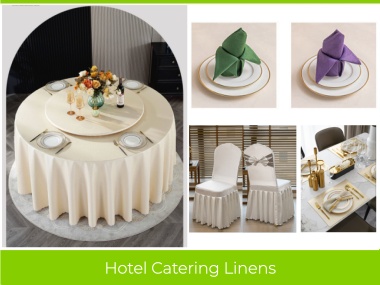
This comprehensive guide provides hoteliers, restaurant managers, and banquet coordinators with the essential knowledge to build a professional, durable, and beautiful table linen program that enhances ambiance, streamlines operations, and maximizes your investment.
Part 1: Getting the Size Right – A Standard Sizing Chart
The golden rule is “Drop Length.” This is the amount of fabric that hangs from the edge of the table to the bottom of the linen. The appropriate drop depends on the formality of the table setting.
-
Standard Breakfast / Casual Dining: 6-8 inch (15-20 cm) drop.
-
Lunch / Formal Dining: 8-12 inch (20-30 cm) drop.
-
Banquet / Fine Dining: 12-15 inch (30-38 cm) drop, often to the floor for a luxurious look.
How to Calculate the Correct Tablecloth Size:
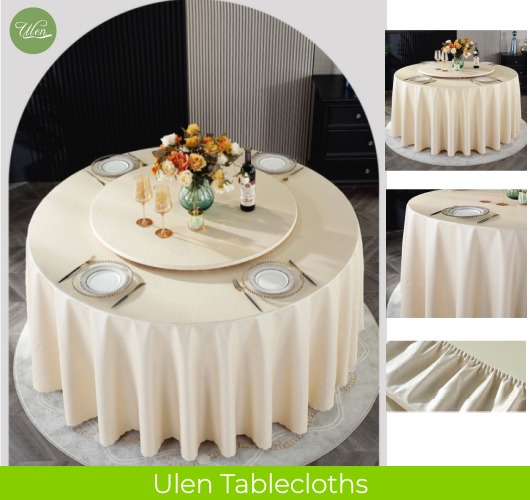
(Table Width + (2 x Desired Drop)) x (Table Length + (2 x Desired Drop))
Example: For a standard 30″ x 72″ (76cm x 183cm) banquet table with a formal 12″ drop:
-
Width: 30 + (2 x 12) = 54 inches
-
Length: 72 + (2 x 12) = 96 inches
-
Required Tablecloth Size: 54″ x 96″ (or the nearest standard size).
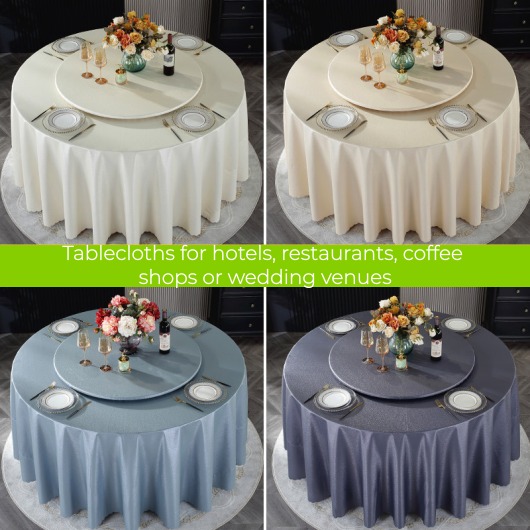
Common Standard Sizes for Quick Reference:
-
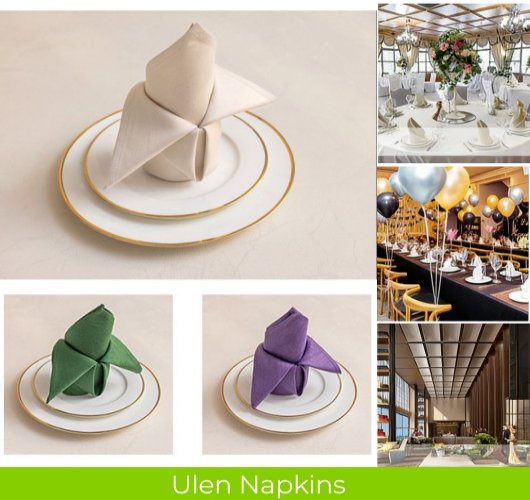
Napkins: 20″ x 20″ (lunch), 22″ x 22″ (most versatile), 24″ x 24″ (formal/dinner).
-
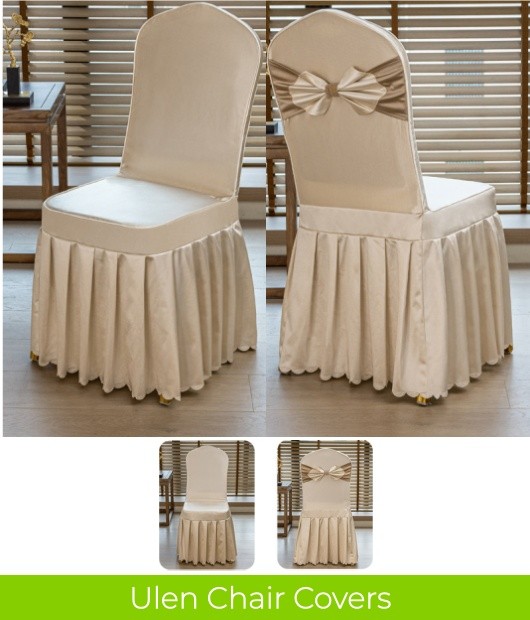
Chair Covers: Measure your chair from the top of the back to the floor, and seat width.
-
Table Skirting: Sold by the linear foot; measure the perimeter of your table.
Part 2: Choosing the Right Fabric – Performance & Aesthetics
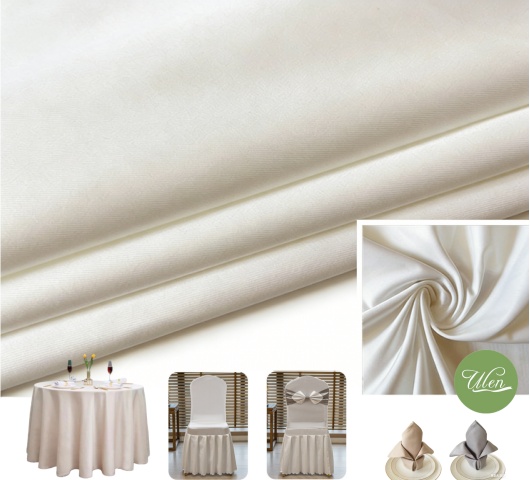
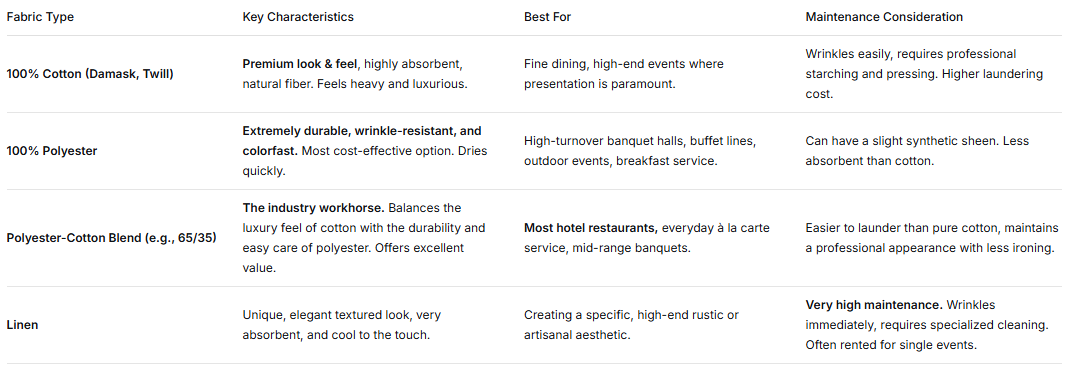
The fabric choice balances appearance, feel, durability, and cost. Here’s a comparison of the most common types:
Part 3: Professional Maintenance & Care for Longevity
Proper care is what separates a professional operation from an amateur one. It directly impacts linen lifespan and presentation.
-
The Laundry Process:
-
Pre-Treatment: Treat stains immediately with appropriate agents. Never use chlorine bleach on colored linens.
-
Washing: Use commercial-grade machines with moderate temperatures. Do not overload the washer; this causes excessive wear and poor cleaning.
-
Drying: Tumble dry on medium heat and remove promptly to minimize wrinkles. Over-drying weakens fibers.
-
-
Ironing & Steaming:
-
For a crisp finish on cotton or blends, iron on the appropriate fabric setting while slightly damp.
-
Commercial steamers are efficient for removing wrinkles from polyester and blends without direct contact.
-
-
Storage & Inventory Management:
-
Store Clean & Completely Dry: Prevent mildew and odors.
-
Rotate Stock: Use the “first in, first out” principle to ensure even wear.
-
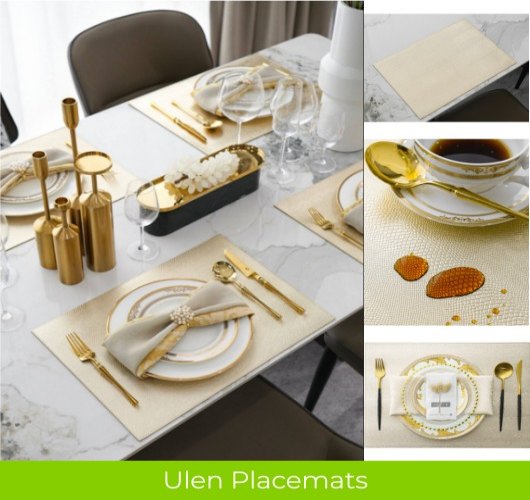
Conduct Regular Audits: Check for stains, tears, and fading. Have a clear policy for retiring damaged items for tablecloths, placemats, napkins and chair covers to maintain standards.
-
-
Pro-Tips for Cost Control:
-
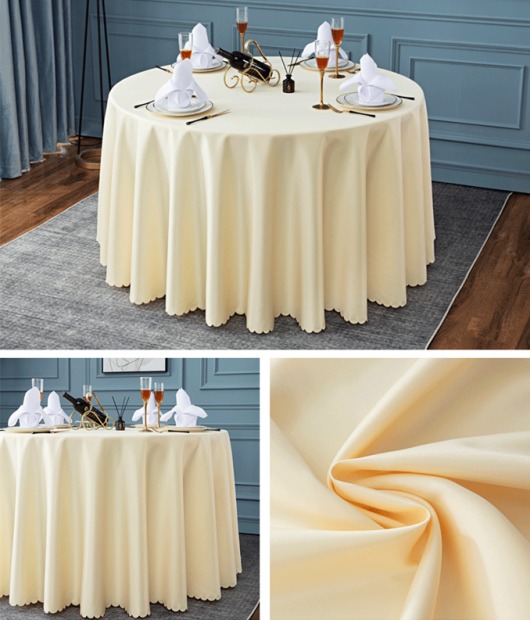
Standardize Colors: Having one primary color (e.g., classic white, ivory) allows for bulk purchasing and easier matching/replacement.
-
Calculate Your Par Level: Have at least 3-5 full sets of linen per table to account for soiling, laundering, and damage.
-
Consider Rental for Peak Times: For large, one-off events, renting specialty linens (like long tablecloths or colored overlays) can be more economical than purchasing.
-
Conclusion: Building a Cohesive Tabletop Experience
Your table linen is a foundational element of your restaurant’s ambiance and service. By selecting the right size for your tables, choosing a fabric that matches your operational needs and brand image, and implementing a rigorous maintenance routine, you invest in an asset that consistently elevates the guest dining experience while providing long-term value.
Need Expert Guidance on Your Table Linen Program?
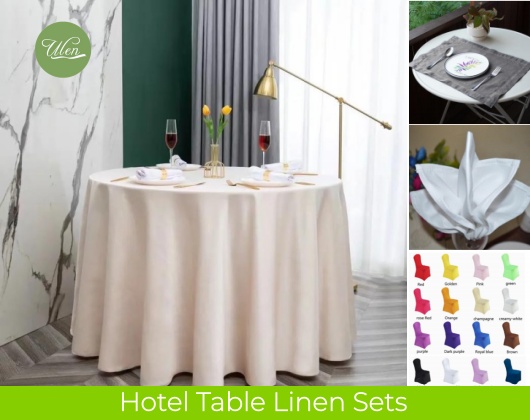
Ulen provides commercial-grade hotel table linen in all standard sizes and fabrications. From durable polyester blends for banquets to elegant cotton blends for fine dining, we help you select the perfect products backed by expert advice on care and inventory management.
Contact Ulen today for a free table linen sizing guide tailored to your specific tables, or to request fabric swatches and see the quality for yourself.
FAQs – Hotel Table Linens Guide: Sizes, Fabrics & Maintenance
1. What is the standard drop length for hotel restaurant tablecloths?
Drop length depends on the formality of dining. For breakfast or casual dining, a 6–8 inch (15–20 cm) drop is standard. For lunch or formal dining, aim for 8–12 inches (20–30 cm). For banquets or fine dining, a 12–15 inch (30–38 cm) drop, often to the floor, creates a luxurious look.
2. How do I calculate the correct tablecloth size for my restaurant tables?
Use the formula: (Table Width + 2 × Desired Drop) × (Table Length + 2 × Desired Drop).
Example: A 30″ x 72″ banquet table with a 12″ drop needs a 54″ x 96″ tablecloth. Always measure your tables first.
3. What are the most common standard sizes for restaurant tablecloths?
Common sizes include: 54″ x 96″ for 30″ x 72″ banquet tables, 52″ x 52″ for square tables, and rounds from 90″ to 132″ depending on table diameter. For specific table dimensions, consult a sizing chart or supplier.
4. What is the most versatile napkin size for hotel restaurants?
A 22″ x 22″ napkin is the most versatile, suitable for both lunch and dinner. Smaller 20″ x 20″ napkins work for casual breakfast, while larger 24″ x 24″ napkins are preferred for formal fine dining or banquets.
5. What fabric is best for high-turnover restaurant tablecloths?
Polyester or high-quality polyester-cotton blends are best for high-turnover operations. They offer superior stain resistance, wrinkle-free performance, and durability through hundreds of industrial washes. For fine dining, elegant cotton blends provide a natural feel but require more maintenance.
6. How does fabric choice affect table linen maintenance?
Polyester and blends are easy-care – quick-drying, wrinkle-resistant, and stain-repellent. Cotton requires ironing, has higher shrinkage (5–8%), and needs stain pre-treatment. Your laundry capabilities and turnover speed should guide fabric selection.
7. What is the best way to remove stains from table linens?
Pre-treat stains immediately with appropriate agents. Never use chlorine bleach on colored linens. For commercial operations, work with your laundry provider to establish stain-specific protocols (e.g., wine, oil, coffee).
8. What is the recommended washing process for hotel table linens?
Use commercial-grade machines with moderate temperatures. Do not overload the washer – overloading causes excessive wear and poor cleaning. Tumble dry on medium heat and remove promptly to minimize wrinkles. Over-drying weakens fibers.
9. How can I reduce ironing time for table linens?
Choose polyester or polyester-blend fabrics, which emerge from the dryer with minimal wrinkles. For cotton, iron while slightly damp. Commercial steamers are highly efficient for polyester blends without direct contact.
10. How should I store table linens to prevent mildew and damage?
Store linens clean and completely dry in a cool, dry, climate-controlled room. Avoid plastic containers; use fabric-friendly bags or ventilated shelving. Rotate stock using a “first in, first out” system to ensure even wear.
11. What is the ideal par level for restaurant table linens?
Maintain at least 3–5 full sets of linen per table to account for soiled linens in laundry, clean stock in storage, and those in use. Higher par levels (4–5) are recommended for banquet operations with multiple daily turns.
12. How do I calculate my total table linen inventory needs?
Multiply number of tables × par level. For example, 50 tables × 3 par = 150 tablecloths. Then add a 15–20% buffer for unexpected stains, tears, or simultaneous events. Use the same formula for napkins and chair covers.
13. Should I rent or buy table linens for my restaurant?
Buy for daily, standard-sized tables and consistent use – it offers lower cost-per-use over time. Rent for large, one-off events, specialty sizes (e.g., long tables), or colored overlays when purchasing is not cost-effective.
14. What is the benefit of standardizing table linen colors?
Standardizing to one primary color (e.g., classic white or ivory) allows bulk purchasing discounts, easier matching of replacements, simplified laundry sorting, and a consistent brand image across all dining areas.
15. How often should I audit and replace damaged table linens?
Conduct quarterly audits of your inventory. Check for stains, tears, fading, and frayed edges. Retire items that cannot be restored to professional appearance. Plan to replace 15–25% of your table linen inventory annually depending on usage and laundry conditions.