Facing rising operational costs, The 50-room boutique hotel A, needed to find savings without compromising their reputation for quality. Their hotel linen budget was a prime target. Within one year, they achieved a 20% reduction in total annual linen expenditure.

This case study breaks down their precise, four-step strategy, providing a actionable blueprint for other hoteliers.
The Challenge: High Costs & Inconsistent Quality
The boutique hotel’s General Manager identified three core problems:
-
Frequent Towel Replacement: Bath towels were wearing out quickly, becoming thin and rough after just 8-12 months.
-
High Laundry Costs: Laundry invoices were consistently over budget.
-
Guest Complaints: An increase in comments about “scratchy” towels and “worn” sheets.
Their previous procurement was based on finding the lowest unit price, not long-term value.
The 4-Step Strategy for Sustainable Savings
Step 1: Conduct a Total Cost of Ownership (TCO) Audit
Instead of just looking at invoice price, the team calculated the Cost-Per-Use (CPU) for their primary items. Using a simple spreadsheet (like the one from our previous guide), they factored in:
-
Purchase Price
-
Observed Lifespan (in washes)
-
Commercial Laundry Cost per Kg
Discovery: Their “cheap” 450 GSM towels had a higher CPU ($0.32) than a quoted 600 GSM towel from a premium supplier ($0.28), due to a much shorter lifespan.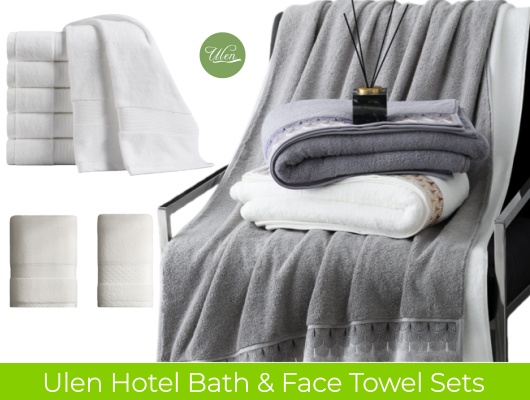
Step 2: Implement Rigorous Supplier & Product Testing
Armed with TCO data, they issued a new RFP focused on durability. Using a supplier vetting checklist, they:
-
Requested Lab Reports: For shrinkage and tensile strength after 100+ washes.
-
Ran a Live Laundry Trial: They tested three short-listed towel samples over 50 commercial wash cycles in their own on-premise laundry.
-
Negotiated on Value, Not Just Price: They presented the CPU analysis to suppliers, negotiating based on proven longevity and lower long-term cost for bath linens.
Step 3: Optimize GSM & Inventory Mix
Based on trial results, they made a strategic shift:
-
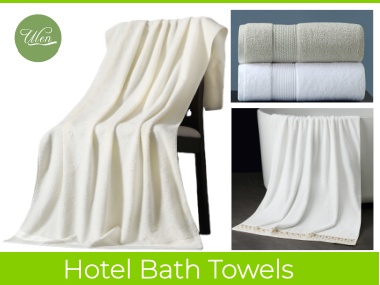
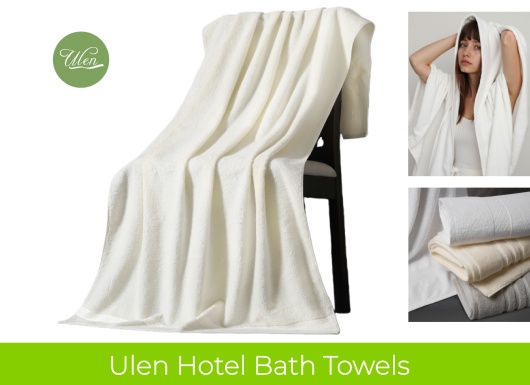
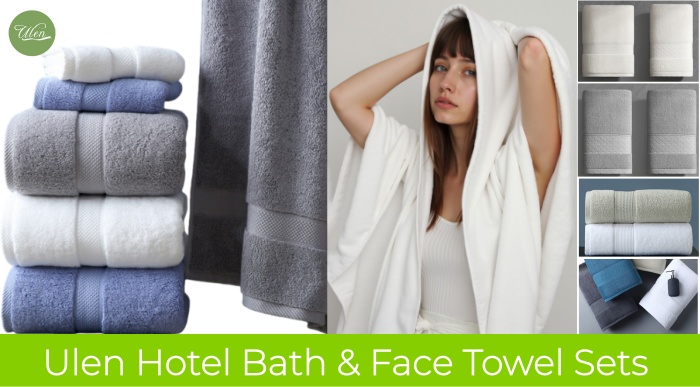
Upgraded Bath Towels: They switched from a 450 GSM to a denser, long-staple 600 GSM towel. The higher initial cost was offset by a 40% longer projected lifespan, reducing replacement frequency and improving guest feel.
-
Right-Sized Pool Inventory: By analyzing occupancy and laundry turnaround, they optimized their par stock levels, reducing the capital tied up in idle linen by 15%.
Step 4: Partner with Laundry for Care & Training
They realized linen care was as important as the linen itself.
-
Reviewed Chemical Dosage: Worked with their chemical supplier to ensure proper dosing—too much bleach was degrading fibers prematurely.
-
Staff Training: Briefed laundry staff on proper loading weights and cycles to prevent mechanical damage.
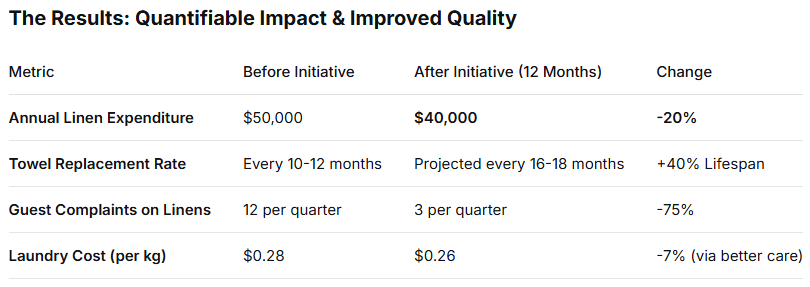
Additional Benefits: The new, higher-quality linens elevated the perceived room value, contributing to a 0.2-point increase in their “Room Quality” score on review platforms.
Key Takeaways for Your Hotel
-
Price is a Snapshot, Cost-Per-Use is the Movie. The cheapest item is often the most expensive in the long run.
-
Test Relentlessly. Never buy based on a sample that hasn’t survived your own commercial laundry cycle.
-
Your Laundry is a Partner. Linen longevity is a joint effort between procurement and laundry operations.
-
Invest in Quality for High-Touch Items. Upgrading key items like bath towels has the highest ROI in both cost savings and guest satisfaction.
Conclusion: A Repeatable Framework
The Orchard Inn’s success was not magic. It resulted from a disciplined shift to data-driven procurement. By focusing on Total Cost of Ownership, insisting on verifiable durability testing, and fostering cross-departmental collaboration, they turned a cost center into a story of improved quality and significant savings.
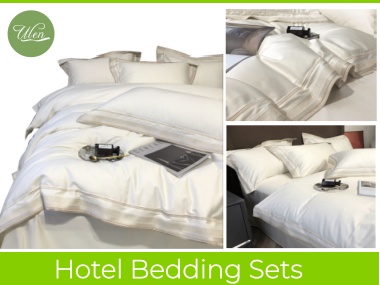
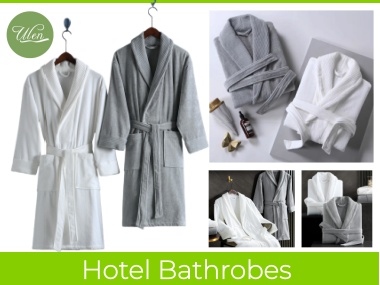
Your Action Plan: Start with a CPU audit of your 3 most-replaced linen items, like bath towels, bathrobes, bedding sets etc.. The results will immediately point you toward your greatest opportunity for savings.
FAQs – Hotel Linen Cost Reduction Case Study: How to Save 20% on Towels, Sheets & Robes
1. What was the main challenge facing the 50-room boutique hotel in this case study?
The hotel faced three core problems: frequent towel replacement (every 8–12 months), consistently high laundry costs, and increasing guest complaints about scratchy towels and worn sheets. Their procurement was based on lowest unit price, not long-term value.
2. How did the hotel achieve a 20% reduction in annual linen expenditure?
They implemented a four-step strategy: 1) Conduct a Total Cost of Ownership (TCO) audit using Cost-Per-Use (CPU) calculations, 2) Implement rigorous supplier and product testing, 3) Optimize GSM and inventory mix, and 4) Partner with their laundry for better care and training.
3. What is Cost-Per-Use (CPU) and how did it reveal hidden savings?
CPU = (Purchase price) ÷ (Expected or observed wash cycles). The hotel discovered their “cheap” 450 GSM towel had a higher CPU ($0.32) than a premium 600 GSM towel ($0.28) because the premium towel lasted much longer. CPU exposes the true long-term cost of linens.
4. How did the hotel calculate Total Cost of Ownership (TCO) for their linens?
They used a simple spreadsheet factoring in: purchase price, observed lifespan in washes, and commercial laundry cost per kg. They moved beyond invoice price to understand the full cost over the product’s life.
5. What supplier testing did the hotel require before switching linens?
They requested lab reports for shrinkage and tensile strength after 100+ washes, ran a live laundry trial with three short-listed towel samples over 50 commercial wash cycles in their own laundry, and negotiated based on proven longevity rather than just unit price.
6. What GSM change did the hotel make and why?
They switched from a 450 GSM towel to a long-staple 600 GSM towel. The higher initial cost was offset by a 40% longer projected lifespan, reducing replacement frequency, lowering CPU, and improving guest comfort.
7. How did optimizing inventory par levels save the hotel money?
By analyzing occupancy and laundry turnaround, they right-sized their pool inventory, reducing the capital tied up in idle linen by 15%. Proper par levels prevent over-purchasing while ensuring smooth operations.
8. What role did laundry operations play in reducing linen costs?
The hotel reviewed chemical dosage (excess bleach degrades fibers) and trained laundry staff on proper loading weights and cycles. Linen longevity is a joint effort between procurement and laundry; even the best linens fail early if laundered incorrectly.
9. How did upgrading to higher-quality linens affect guest satisfaction?
The new, higher-quality linens elevated perceived room value, contributing to a 0.2-point increase in the hotel’s “Room Quality” score on review platforms. Investing in quality for high-touch items (towels, sheets) yields ROI in both cost savings and guest satisfaction.
10. What is the single biggest mistake the hotel made before the change?
They focused on finding the lowest unit price instead of long-term value. This led to frequent replacements, high laundry costs, and guest complaints. Shifting to a data-driven, TCO-based approach was the key turnaround.
11. How can I start a similar cost-saving initiative at my hotel?
Start with a CPU audit of your three most-replaced linen items (e.g., bath towels, sheets, bathrobes). Calculate purchase price divided by observed wash cycles. This will immediately point you toward your greatest opportunity for savings.
12. Why is testing linens in your own commercial laundry so important?
Supplier claims about lifespan are just claims until verified. Running a live laundry trial (e.g., 50 cycles) reveals actual shrinkage, colorfastness, pilling, and seam integrity under your specific conditions. The case study hotel used this to select the best-performing product.
13. What is the difference between “price” and “cost-per-use” in linen procurement?
Price is the upfront invoice amount. Cost-per-use (CPU) is the total expense per guest use, including purchase and laundry costs divided by lifespan. A higher-priced item with lower CPU is cheaper in the long run. The case study proved this with their towel switch.
14. How can I negotiate with suppliers using TCO data?
Present your CPU analysis to suppliers. Show that you are willing to pay a higher upfront price for proven longevity. Negotiate based on total value (lower long-term cost) rather than just unit price. Suppliers who offer durable products will appreciate this sophisticated approach.
15. What are the key takeaways for other hoteliers from this case study?
-
Price is a snapshot, cost-per-use is the movie.
-
Test relentlessly – never buy based on an unwashed sample.
-
Your laundry is a partner – work together on chemical dosing and loading.
-
Invest in quality for high-touch items (towels, sheets, robes) – they deliver the highest ROI in both savings and guest satisfaction.