
For hotel operators, the question of bedding replacement is a constant balance between cost control and quality assurance. Replacing too soon wastes capital; replacing too late risks guest complaints and damages your brand’s reputation. Moving beyond vague timelines like “every 2 years,” this guide introduces a data-driven framework to determine the precise, financially optimal moment to replace your hotel bedding, complete with a practical ROI Calculator methodology.
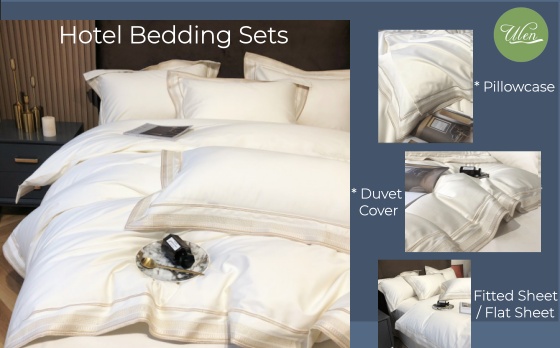
The key insight: Bedding should be replaced based on performance, not just time. Let’s explore the metrics that matter.
Part 1: The Performance-Based Signs It’s Time to Replace
Before any calculation, conduct a physical audit. Replace any item showing these signs:
For Sheets & Pillowcases:
-
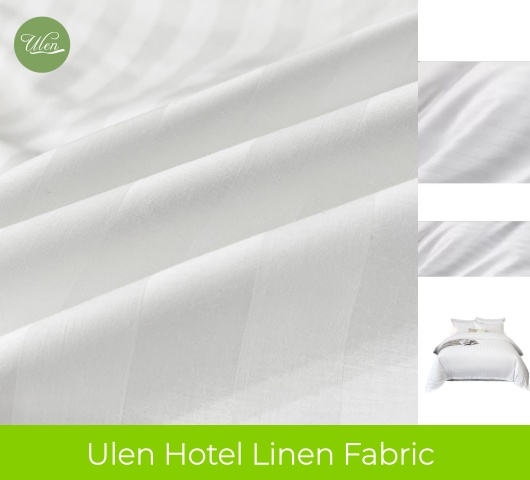
Fabric Degradation: Persistent pilling, thinning (hold it up to light), or a loss of softness that makes fabric feel rough or scratchy.
-
Stains & Discoloration: Set-in stains or overall yellowing/graying that survives professional bleaching, signaling fabric breakdown.
-
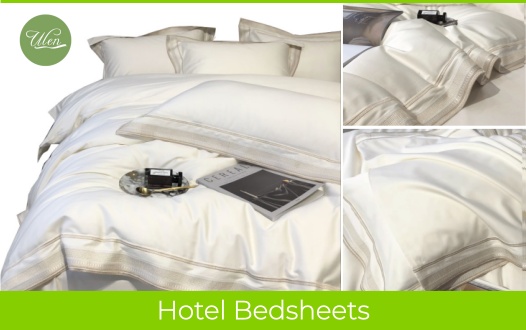
Structural Failure: Holes, ripped seams, or stretched-out elastic on hotel fitted sheets that no longer secures the mattress.
For Duvets & Pillows:
-
Lumpiness & Uneven Fill: Clumping of down alternative or batting that cannot be redistributed.
-
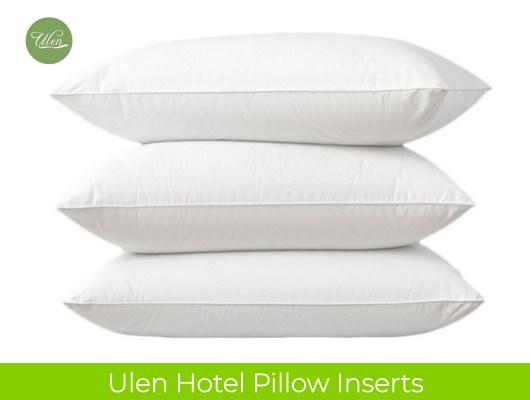
Loss of Loft & Support: Pillows that stay flat when folded or fluffed, failing to provide proper neck support.
-
Persistent Odors: Musty smells that remain after laundering indicate microbial growth inside.
Part 2: Industry Benchmarks & The Factors That Shorten Lifespan
While signs are primary, understanding averages helps with budgeting.
-
General Commercial Lifespan Ranges:
-
Sheets & Pillowcases: 150 – 250 industrial wash cycles.
-
Duvet Covers: 200 – 300 cycles.
-
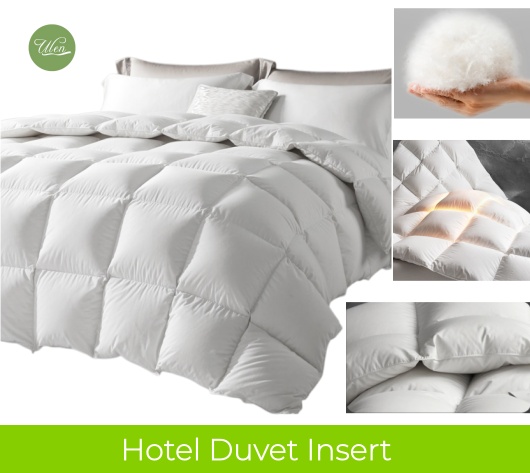
Pillows & Duvet Inserts: 2 – 4 years, depending on fill quality and use.
-
-
Key Factors Accelerating Replacement:
-
Laundry Chemistry & Heat: Excessive bleach and extremely high temperatures break down fibers.
-
Occupancy & Turnover Rate: A 90%+ occupancy property will cycle through bedding much faster than one at 60%.
-
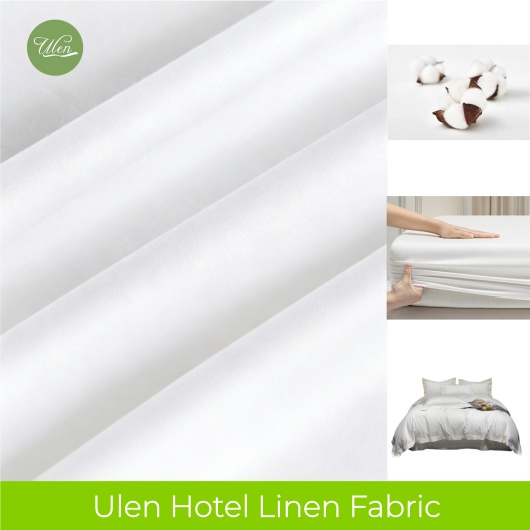
Initial Fabric Quality: Low GSM (grams per square meter) sheets or low-density pillow fills degrade quicker.
-
Lack of Rotation: Not rotating bedding sets evenly across rooms causes disproportionate wear.
-
Part 3: The ROI Calculator: Justifying Replacement as an Investment
The core financial logic is Total Cost of Ownership (TCO). Use this calculator framework to move from reactive spending to proactive investment.
The “Cost-Per-Sleep” Calculator Logic:
-
Determine Your Current Cost-Per-Sleep:
-
A) Initial Cost: What did you pay for the bedding set (e.g., $40 for a sheet set)?
-
B) Usable Lifespan: How many cycles did it/will it last (e.g., 150 cycles)?
-
Formula: Current Cost-Per-Sleep = A / B
-
*Example: $40 / 150 cycles = $0.27 per guest night.*

-
-
Calculate the Upgrade’s Projected Cost-Per-Sleep:
-
C) Upgrade Cost: Cost of a higher-quality set (e.g., $60).
-
D) Projected Lifespan: Its expected cycle life from supplier data (e.g., 300 cycles).
-
Formula: Upgrade Cost-Per-Sleep = C / D
-
*Example: $60 / 300 cycles = $0.20 per guest night.*
-
-
Analyze the ROI & Payback Period:
-
Per-Night Savings: $0.27 – $0.20 = $0.07 savings per guest night.
-
Annual Savings: Per-Night Savings * Annual Occupied Room Nights.
-
Payback Period: (Upgrade Cost – Current Cost) / Annual Savings. This shows how quickly the upgrade pays for itself.
-
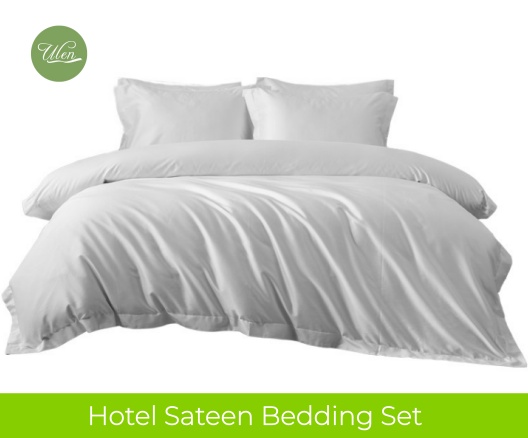
The Revelation: The more expensive set has a 26% lower operating cost per night and, despite the higher upfront cost, will save money over time while providing a better guest experience on bedding sets.
Part 4: Proactive Replacement Strategy: The “Phased Rotation” System
Avoid large, shocking capital outlays. Implement a Phased Rotation System:
-
Annual Audit: Physically inspect 10-15% of your inventory each year against the signs in Part 1.
-
Budget for Steady Replacement: Based on your audit and cost-per-sleep analysis, plan to replace 20-25% of your bedding inventory annually. This spreads the cost and ensures consistent quality.
-
Standardize: Ensure new purchases match or upgrade your standard, avoiding future compatibility issues.

Conclusion: Replacement is a Strategy, Not an Expense
Viewing bedding replacement through the lenses of performance metrics and cost-per-sleep transforms it from a grudging expense into a strategic tool for profit maximization. By replacing bedding at the optimal point—before it fails your guests but after extracting full value—you protect your brand’s reputation and your bottom line simultaneously.
Ready to Calculate Your Exact Replacement ROI?
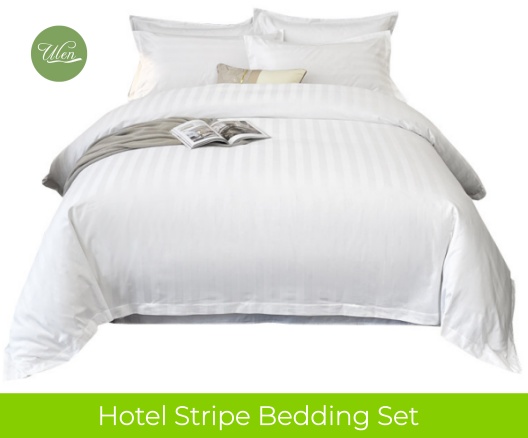
Ulen provides high-cycle bedding with transparent lifespan data, so your calculations are based on facts, not guesses. Our products are engineered to maximize usable lifespan, directly lowering your cost-per-sleep.
Contact us for a Free Custom ROI Analysis. Share your current bedding specs and costs, and we’ll provide a detailed report showing your potential savings and the optimal replacement schedule for your property.
FAQs: Hotel Bedding Replacement Guide: How Often to Replace Sheets, Duvets & Pillows (ROI Calculator)
1. How often should hotel bedding be replaced?
There is no fixed timeline. Replace bedding based on performance signs, not just time. Sheets and pillowcases typically last 150–250 industrial wash cycles; duvet covers last 200–300 cycles; pillows and duvet inserts last 2–4 years. However, high occupancy, aggressive laundry chemicals, and low initial quality accelerate replacement needs.
2. What are the clear signs that hotel sheets need replacement?
Look for:
-
Fabric degradation: Persistent pilling, thinning (visible when held to light), or rough, scratchy feel
-
Stains & discoloration: Yellowing or graying that survives professional bleaching
-
Structural failure: Holes, ripped seams, or stretched elastic on fitted sheets that no longer secure the mattress
3. When should I replace hotel pillows and duvets?
Replace pillows and duvets when you notice:
-
Lumpiness or uneven fill that cannot be redistributed
-
Loss of loft and support – pillows stay flat when folded
-
Persistent musty odors after laundering, indicating microbial growth
These signs typically appear after 2–4 years, but lower-quality fills may fail sooner.
4. What factors shorten the lifespan of hotel bedding?
Key factors include:
-
Excessive bleach and high wash temperatures (break down fibers)
-
High occupancy rates (90%+ occupancy cycles bedding faster)
-
Low initial fabric quality (low GSM, short-staple cotton)
-
Lack of rotation across rooms, causing disproportionate wear
5. How do I conduct a physical audit of my hotel bedding?
Annually inspect 10–15% of your inventory using a simple checklist:
-
Hold sheets to light – check for thinning or holes
-
Feel for pilling or roughness
-
Check fitted sheet elastic tension
-
Fluff pillows – check loft and lumpiness
-
Sniff for persistent odors after laundering
Document findings to plan replacement budgets.
6. What is cost-per-sleep, and how do I calculate it?
Cost-per-sleep = Purchase price of bedding set ÷ Usable wash cycles.
Example: A $40 sheet set lasting 150 cycles = $0.27 per guest night. This metric allows direct comparison between different quality levels and helps justify upgrades.
7. How do I use an ROI calculator to justify better bedding?
Follow this three-step framework:
-
Current cost-per-sleep = (current price) ÷ (current cycles)
-
Upgrade cost-per-sleep = (upgrade price) ÷ (projected cycles from supplier)
-
Annual savings = (current CPU – upgrade CPU) × annual occupied room nights
If the upgrade pays for itself within 12–18 months, it is a smart investment.
8. Can a more expensive sheet set actually save money?
Yes. Example: A $60 sheet set lasting 300 cycles costs $0.20 per sleep. A $40 set lasting 150 cycles costs $0.27 per sleep. The expensive set saves $0.07 per guest night – a 26% lower operating cost – and provides better guest comfort. Payback period is typically under one year.
9. What is a phased rotation system for bedding replacement?
A phased rotation avoids large, sudden capital outlays. Each year:
-
Audit 10–15% of inventory for wear signs
-
Replace 20–25% of bedding based on audit results
-
Standardize new purchases to match or upgrade your quality baseline
This spreads cost evenly and maintains consistent guest experience.
10. How do laundry practices affect bedding replacement frequency?
Aggressive laundry protocols (excessive bleach, high heat, over-drying) can cut bedding lifespan by 30–50%. Use mild detergents, avoid temperatures above 75°C, and remove sheets promptly from dryers. Partner with your laundry provider to optimize cycles for fabric preservation.
11. What is the difference between useful lifespan and total lifespan?
Useful lifespan is the number of wash cycles before bedding shows visible wear or loses comfort – the point just before guests would complain. Total lifespan is when bedding becomes unusable (holes, seam failure). Replace at the end of useful lifespan to protect guest satisfaction, not at total failure.
12. How do I compare supplier lifespan claims?
Request third-party wash test data showing pilling, tensile strength, and colorfastness after 100+ cycles. Ask for pre-washed samples and test 5–10 cycles in your own laundry. A confident supplier provides transparent data, not just estimates.
13. Should I replace all bedding at once or gradually?
Gradual, phased replacement is superior. It:
-
Avoids large capital expenditure
-
Maintains consistent quality (no “old vs. new” disparity)
-
Allows you to test new products on a small scale before full rollout
-
Matches natural wear patterns (different rooms wear at different rates)
14. How does occupancy rate affect replacement scheduling?
A property with 90%+ occupancy cycles bedding 1.5–2x faster than one at 60% occupancy. For high-occupancy hotels, shorten inspection intervals (every 6–8 months) and budget for 25–30% annual replacement rather than 20%. Use cost-per-sleep calculations to adjust for your specific turnover.
15. What is the single most important metric for bedding replacement decisions?
Cost-per-sleep (also called cost-per-use). It integrates purchase price, lifespan, and operational impact into one number. Focus on lowering cost-per-sleep over time by investing in higher-quality bedding that lasts longer – even if upfront cost is higher. This metric directly ties procurement to profitability.