When evaluating hotel linens, thread count and GSM are two of the most cited—and most misunderstood—specifications. Suppliers tout high numbers, but what do they actually mean for durability, guest comfort, and your budget? Choosing based on marketing alone can lead to overpaying for poor performance or underestimating a truly quality product.

This Ulen guide cuts through the industry jargon. We’ll explain what thread count and GSM truly measure, their practical impact on different linen types, and how to use this knowledge to make smarter, more cost-effective procurement decisions for your hotel.
Part 1: Demystifying Thread Count (TC)
What It Is: Thread count refers to the number of threads woven into one square inch of fabric, counting both vertical (warp) and horizontal (weft) threads.
The Common Misconception: “Higher is always better.” This is a costly myth. Excessively high thread counts (e.g., 1000+) are often achieved using multi-ply yarns (twisting thinner, weaker threads together) or creative counting methods, resulting in a fabric that can be less breathable, less durable, and more expensive.
What It Really Means for Hotel Linens:
-
Hand-Feel & Drape: Generally, a higher TC (within a reasonable range) indicates a denser, softer, and silkier fabric.
-
Breathability: Very high TC fabrics can be less breathable, trapping heat.
-
Durability: The quality of the yarn is more important than the count. A long-staple cotton at 300 TC will be far more durable than a short-staple cotton at 600 TC.
The Hotel Sweet Spot:
-
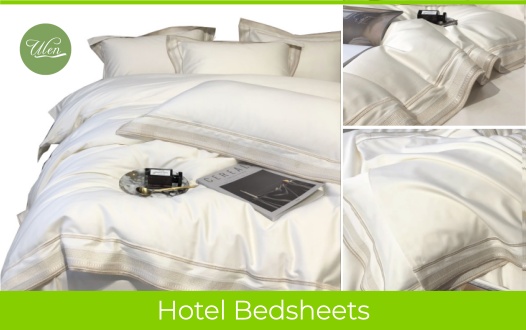
For Bed Sheets & Pillowcases: A thread count of 180 to 300 is ideal for commercial use. This range provides an excellent balance of softness, breathability, and long-term durability to withstand industrial laundry.
-
Key Takeaway: Never choose sheets on thread count alone. Always consider the yarn quality and fabric weave.
Part 2: Demystifying GSM (Grams per Square Meter)
What It Is: GSM measures the weight and density of the fabric. It is a far more objective and reliable indicator of substance than thread count for many items.
What It Really Means for Hotel Linens:
-
Substance & Thickness: Higher GSM = heavier, thicker, more substantial fabric.
-
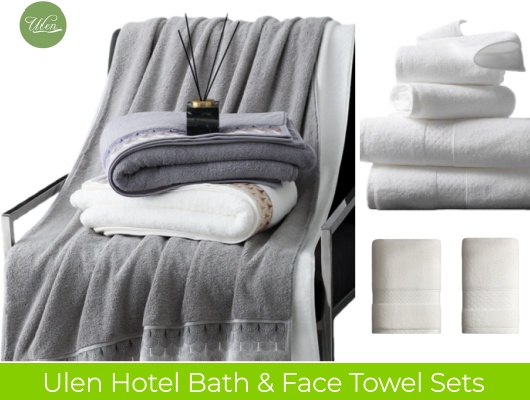
Absorbency (Crucial for Towels): GSM directly correlates to absorbency. A higher GSM towel can hold more water.
-
Durability: Generally, a higher GSM fabric is more robust and will have a longer lifespan.
-
Drying Time: A higher GSM item (like a plush towel) will take longer to dry, impacting laundry turnover and energy costs.
Part 3: The Interplay: How TC & GSM Work Together
These specs should be evaluated in tandem, not in isolation.
-
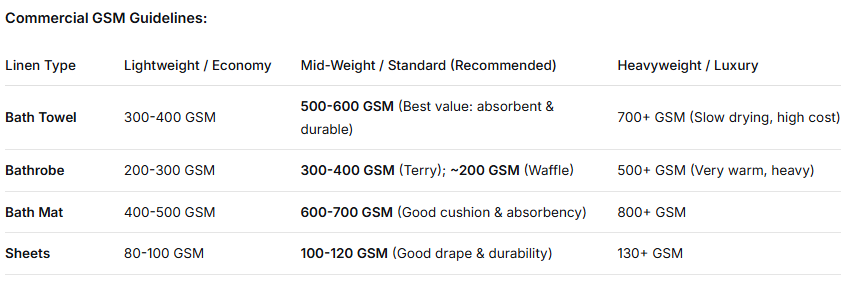
Sheets: You can have a high TC with a low GSM (thin, dense, potentially hot sheets) or a moderate TC with a high GSM (substantial, durable, crisp percale). For hotels, favor a good GSM (100+) with a sensible TC (180-300) over an extreme thread count.
-
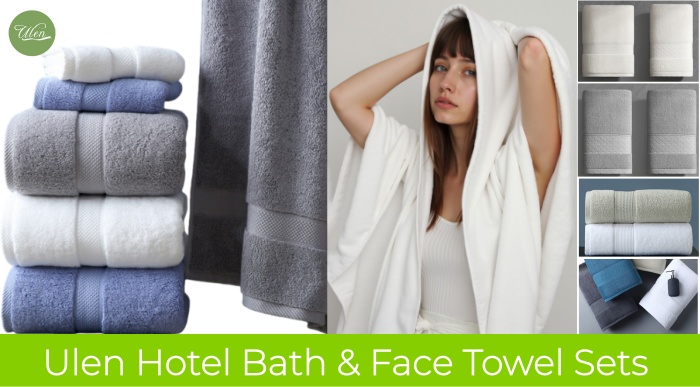
Towels: GSM is the king spec for towels. Thread count is rarely discussed because the looped terry construction is what matters most. Always prioritize GSM here.
-
The “Value” Intersection: The best commercial value is found at the intersection of optimal rather than maximum numbers: a 250 TC, 110 GSM sheet or a 550 GSM towel.
Part 4: The Smart Buyer’s Checklist: Beyond the Numbers
-
Ask for the “Single Ply” Thread Count: Ensure the TC refers to fine, single-ply yarns, not multi-ply.
-
Request and Feel a Sample: The hand-feel is the ultimate test. Does a 300 TC sateen feel right for your brand? Does the 550 GSM towel have a dense, sturdy pile?
-
Demand a Washed Sample: Launder it 5 times. Does the high-TC sheet pill? Does the towel’s GSM (and thus absorbency) hold up?
-
Verify Core Specifications:
-
Fabric Composition: A 50/50 cotton-polyester blend at 220 TC will outperform and outlast a cheap 100% cotton at 400 TC.
-
Certifications: OEKO-TEX Standard 100 is non-negotiable for safety, regardless of TC or GSM.
-
Construction: Look for reinforced seams on sheets and double-stitched hems on towels.
-
Conclusion: Knowledge is Your Best Procurement Tool
Understanding thread count and GSM empowers you to see past marketing and assess true quality. Remember: GSM tells you how much fabric you’re getting, while thread count (when honest) suggests how finely it’s woven. For commercial durability and value, prioritize excellent GSM and robust construction over chasing the highest thread count.
Ready to Evaluate Linens with an Expert Eye?
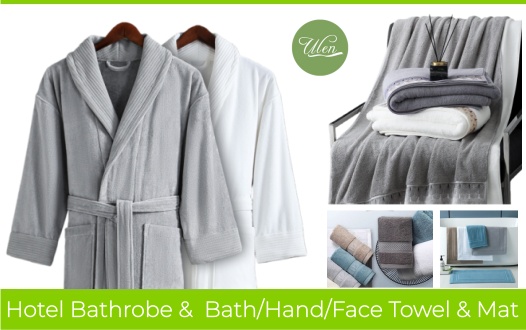
Ulen provides full technical specifications for all our hotel linen products, such as bedding sets, bath linens with bathrobes, towels, table linens etc., with honest data on GSM, true thread count, and fabric composition. We focus on engineering linens that deliver optimal performance in the metrics that truly matter for hotels.
Contact Ulen now to request detailed spec sheets and performance sample kits for any product. Feel the difference that transparent, engineered quality makes.
FAQs – Thread Count vs. GSM for Hotel Linens: to Help You Buy Smarter
1. What is thread count and why does it matter for hotel sheets?
Thread count (TC) measures the number of threads woven into one square inch of fabric, including both vertical (warp) and horizontal (weft) threads. For hotel sheets, a reasonable thread count (180–300) indicates a soft, dense fabric. But extreme numbers (800+) are often misleading and can reduce breathability and durability.
2. What is GSM and why is it more reliable than thread count for towels?
GSM (grams per square meter) measures the weight and density of the fabric. For towels, GSM is the most important spec because it directly correlates to absorbency, thickness, and durability. A 550 GSM towel will be plush and absorbent, while a low‑GSM towel feels thin and wears out quickly.
3. What thread count is best for commercial hotel sheets?
For commercial durability and guest comfort, aim for 180–300 thread count. This range provides a good balance of softness, breathability, and strength to withstand industrial laundry. Avoid chasing 800+ TC sheets – they are often made with weaker multi‑ply yarns and trap heat.
4. What GSM should I look for in hotel bath towels?
For a plush, durable, and absorbent towel that dries reasonably fast, choose 500–600 GSM. Towels below 450 GSM feel thin and may not satisfy guests; towels above 700 GSM are very heavy, dry slowly, and increase laundry energy costs.
5. Can a high thread count sheet be low quality?
Yes. Excessively high thread counts (e.g., 1000+) are often achieved by using multi‑ply yarns (twisting thin, weak threads together) or creative counting methods. The result can be a heavy, less breathable, and less durable fabric. Always prioritize yarn quality (e.g., long‑staple cotton) over an extreme TC number.
6. How do thread count and GSM work together for bed sheets?
For sheets, a good GSM (100–140) combined with a sensible thread count (180–300) indicates a substantial, durable fabric. A high TC with a low GSM means thin, dense sheets that may feel hot. A moderate TC with a high GSM offers a crisp, durable percale or a silky sateen that lasts.
7. Which spec matters more for towels: thread count or GSM?
GSM matters much more for towels. Towels have a looped terry construction, so traditional thread count is rarely relevant. Focus on GSM (500–600 for guest rooms), fiber quality (combed cotton or blends), and hem construction.
8. How does GSM affect laundry drying time and energy costs?
Higher GSM fabrics are thicker and hold more water, so they take longer to dry. A 700 GSM towel may require significantly more drying time than a 550 GSM towel, increasing your laundry energy costs and slowing turnover. Balance guest plushness with operational efficiency.
9. What is the “sweet spot” for value in hotel linens?
The best commercial value is found at optimal rather than maximum numbers: a 250 TC, 110 GSM sheet, and a 550 GSM towel. These specs deliver guest comfort, durability, and reasonable laundry costs without paying a premium for exaggerated, misleading numbers.
10. How do I verify if a supplier’s thread count is honest?
Ask the supplier: “Is your thread count based on single‑ply yarns?” Avoid multi‑ply counts. Request a sample and launder it 5–10 times. If the sheet pills, feels thin, or becomes rough, the TC claim may be inflated. Always combine TC with GSM and fabric composition.
11. Does a higher GSM always mean better quality?
Generally, a higher GSM indicates more substance, durability, and absorbency. However, extremely high GSM (e.g., 800+ towels) may be too heavy for some guests, dry very slowly, and cost significantly more. For most hotels, 550–600 GSM provides the best balance of luxury and practicality.
12. How do fabric blends affect thread count and GSM performance?
A 50/50 cotton‑polyester blend at 220 TC can outlast and perform better than a 100% cotton sheet at 400 TC. Blends add wrinkle resistance, durability, and colorfastness. For towels, a cotton‑polyester blend (e.g., 80/20) at 550 GSM will dry faster and resist staining better than 100% cotton.
13. What is the single most important test for thread count and GSM claims?
The washed sample test. Take a sample sheet or towel, launder it 5–10 times in your commercial laundry. Check for pilling, shrinkage, softness retention, and colorfastness. Numbers on a spec sheet mean nothing if the product fails after 50 washes.
14. Should I use the same thread count and GSM for all room types?
Not necessarily. For luxury suites, you may choose a 300 TC sateen sheet and a 600 GSM towel. For standard rooms, a 220 TC percale sheet and a 520 GSM towel may be perfectly adequate and more cost‑effective. Match specs to your brand positioning and budget.
15. What certifications should I look for regardless of thread count or GSM?
OEKO-TEX Standard 100 is non‑negotiable – it verifies the fabric is free from harmful substances. Also ask for test reports on shrinkage, tensile strength, and colorfastness. High TC or GSM numbers are worthless if the linen is unsafe or falls apart in the wash.