
For hotel operators, bedding is more than a comfort item—it’s a durable asset with a finite lifespan. Knowing precisely when to replace hotel sheets and pillow inserts and pillow cases is crucial for balancing guest satisfaction, operational budgets, and brand standards. Replacing them too soon wastes resources; replacing them too late risks guest complaints and damages your property’s reputation.
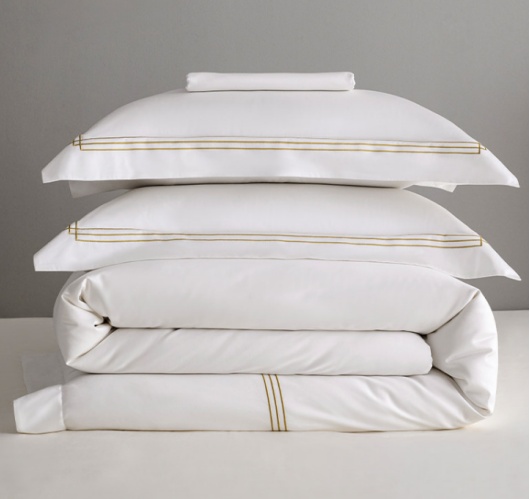
This guide outlines the key indicators, industry benchmarks, and a practical framework to help you manage the complete lifecycle of your hotel bedding linen, ensuring you make timely, cost-effective replacement decisions.
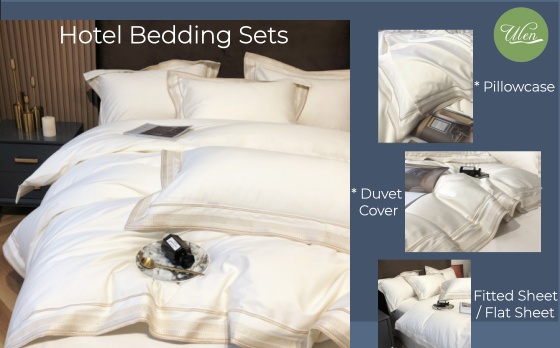
Part 1: The Clear Signs It’s Time to Replace Your Bedding
Beyond a simple calendar, these tangible signs are your most reliable indicators:
-
Visible Wear & Tear:
-
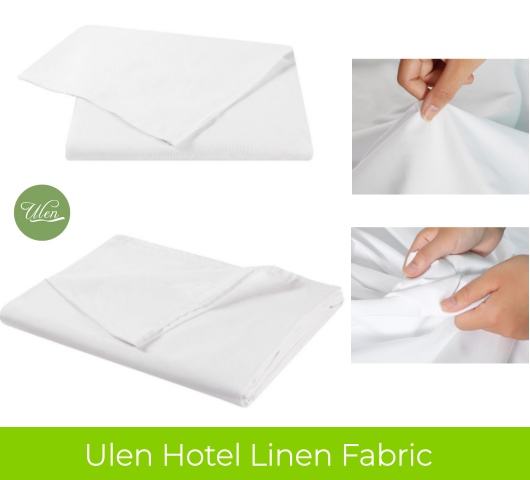
Linen Fabric Degradation: Look for thinning areas, pilling (small fabric balls), or a loss of softness that makes sheets feel rough or scratchy.
-
Stains & Discoloration: Faded colors or yellowing that persists after professional laundering. Set-in stains that cannot be removed compromise the perception of cleanliness.
-
Holes & Tears: Any rips, however small, are an immediate signal for replacement.
-
-
Structural Failure:
-
Seam & Stitching Breakdown: Fraying, split, or unraveling seams, especially at the stress points of fitted sheet corners.
-
Elastic Failure: Fitted sheets that no longer snugly secure the mattress due to stretched-out or degraded elastic.
-
Fabric Tears at Stress Points: Weakness or holes where the fabric is consistently tensioned.
-
-
Performance & Hygiene Indicators:
-
Compromised Absorbency & Feel: Sheets that feel damp or clammy instead of crisp and dry.
-
Persistent Odors: A musty or unpleasant smell that survives laundering can indicate embedded microbial growth or fabric breakdown.
-
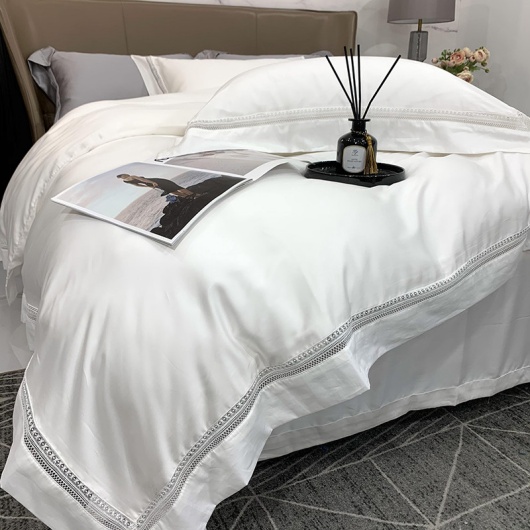
Guest Feedback: An increase in comments about uncomfortable, scratchy, or “old” bedding set is a direct red flag.
-
Part 2: Industry Benchmarks & Influencing Factors
While signs are primary, understanding average lifespans provides a useful framework:
-
General Lifespan Range: With proper care, commercial-grade hotel sheets can typically last 150 to 250 industrial wash cycles. For a high-occupancy hotel, this may translate to 1 to 3 years of service.
-
Key Factors That Shorten or Extend Lifecycle:
-
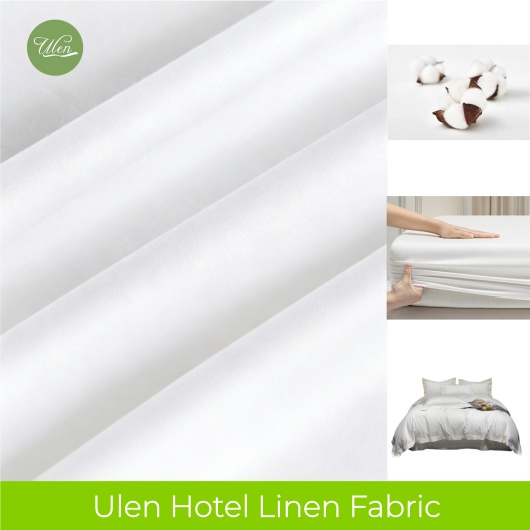
Linen Fabric Quality: Long-staple cotton (Egyptian, Pima) and high-quality blends outlast inferior materials.
-
Laundry Protocol: Excessive bleach, extremely high temperatures, and over-drying are primary causes of premature fabric degradation.
-
Occupancy & Turnover: Properties with very high occupancy and daily sheet changes will naturally cycle through bedding faster.
-
Initial Investment: Premium, high-GSM fabrics with reinforced stitching have a longer inherent lifespan than budget options.
-
Part 3: Best Practices for Proactive Lifecycle Management
Don’t wait for a crisis. Implement these practices:
-
Establish a Regular Inspection Schedule: Quarterly formal inspections of a random sample from inventory.
-
Use a Standardized Grading System: Implement a simple “A/B/C” or “1-5” scale to objectively rate sheets on softness, color, and integrity, setting a clear threshold for replacement (e.g., anything below “C” is retired).
-
Practice Strategic Rotation & Phasing: Rotate bedding sets evenly across rooms to distribute wear. When replacing, phase new sets in gradually to avoid a large, unexpected capital outlay.
-
Maintain Optimal Laundry Practices: Partner with your laundry provider to ensure they use appropriate chemicals, temperatures, and cycles to preserve fabric life.
Conclusion: A Strategic Decision, Not a Guess
Replacing hotel bedding set is a strategic operational decision. By moving from reactive replacement to proactive lifecycle management, you protect your guest experience, manage budgets predictably, and uphold your quality standard. The goal is to retire bedding just before a guest ever notices a problem.
Upgrading Your Bedding Cycle?
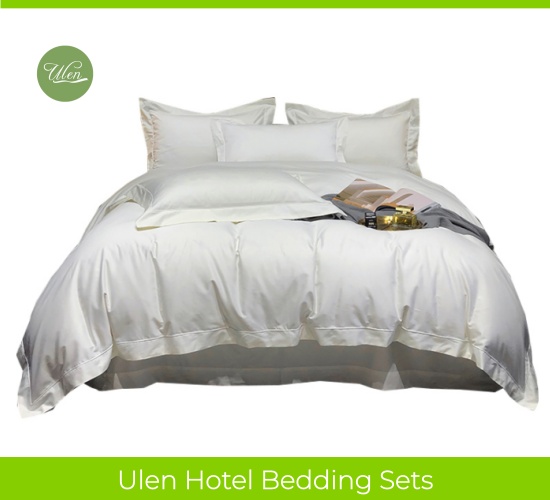
Investing in high-cycle, durable bedding from the start is the most effective way to extend replacement intervals and improve ROI. As a vertically integrated manufacturer, we engineer our hotel sheets and pillowcases for maximum durability without sacrificing the premium feel guests expect.
Request a sample and ask about our performance specifications—including expected wash-cycle longevity—to make a purchase that extends your bedding lifecycle from day one.
FAQs: When to Replace Hotel Sheets & Pillows: A Procurement Manager’s Guide to Bedding Lifecycle Management
1. How often should hotel sheets be replaced?
Hotel sheets typically last 150 to 250 industrial wash cycles, which translates to 1 to 3 years of service depending on occupancy levels. High-occupancy properties with daily sheet changes will need replacement sooner than lower-occupancy hotels. Regular inspection, not just a calendar date, is the most reliable approach.
2. What are the clear signs that hotel bedding needs replacement?
Key indicators include:
-
Visible wear: Thinning areas, pilling (small fabric balls), or rough, scratchy texture
-
Stains and discoloration: Persistent yellowing or fading after professional laundering
-
Structural failure: Frayed seams, unraveling stitching, or fitted sheet elastic that no longer secures the mattress
-
Performance issues: Sheets that feel damp or clammy instead of crisp, or persistent musty odors after washing
3. How do I know if hotel fitted sheets are worn out?
Fitted sheets are ready for replacement when the elastic loses tension and the sheet no longer stays snugly secured to the mattress. Also inspect the corner seams—if they show fraying, splitting, or tearing at these stress points, the sheet will not maintain a professional appearance.
4. What causes hotel sheets to wear out faster than expected?
Premature degradation is often caused by:
-
Excessive bleach use or overly high wash temperatures
-
Over-drying in commercial tumblers
-
Low-quality fibers such as short-staple cotton
-
High occupancy with daily turnover without adequate inventory rotation
-
Insufficient par levels leading to overuse of limited sets
5. How does fabric quality affect the lifespan of hotel sheets?
Long-staple cotton (Egyptian, Pima) and high-quality cotton-polyester blends significantly outlast inferior materials. Premium fabrics resist pilling, maintain softness through hundreds of cycles, and withstand the high-temperature, high-alkalinity environment of commercial laundering. Initial investment in quality directly extends replacement intervals.
6. What is the average lifespan of hotel pillow inserts?
Pillow inserts typically need replacement every 6 months to 2 years, depending on quality and occupancy. Signs of wear include:
-
Loss of loft or support
-
Persistent odors
-
Yellowing or staining
-
Lumps or uneven filling
-
Guest complaints about flat or uncomfortable pillows
7. How do I inspect hotel bedding to determine if it needs replacement?
Implement a quarterly formal inspection of a random sample from your inventory. Use a standardized grading system (A/B/C or 1–5) to objectively rate each piece on:
-
Softness and hand feel
-
Colorfastness and discoloration
-
Seam integrity
-
Elastic condition (for fitted sheets)
-
Pilling and surface wear
Set a clear threshold—anything below your standard is retired.
8. What is the best way to manage bedding replacement costs?
Use a strategic rotation and phasing approach:
-
Rotate bedding sets evenly across rooms to distribute wear
-
When replacing, phase new sets in gradually rather than all at once
-
Calculate cost-per-use to evaluate true value
-
Budget annually for rolling replacement rather than waiting for a large, unexpected capital outlay
9. How does laundry protocol impact bedding longevity?
Laundry practices are the single largest factor in fabric life. To extend lifespan:
-
Use appropriate detergent and bleach levels (avoid excessive bleach)
-
Maintain recommended wash temperatures (typically 60–75°C)
-
Avoid over-drying—remove sheets while slightly damp to reduce fiber stress
-
Ensure proper chemical balancing to prevent fabric weakening
Partner with your laundry provider to establish protocols that prioritize fabric preservation.
10. How do I calculate the true cost-per-use of hotel sheets?
Use the formula: Cost-Per-Use = Purchase Price ÷ Expected Wash Cycles.
Example: A $25 sheet lasting 200 cycles costs $0.125 per use. A $35 sheet lasting 350 cycles costs $0.10 per use—20% lower cost-per-use despite higher upfront investment. Factor in replacement labor and guest satisfaction for complete ROI.
11. What role does guest feedback play in bedding replacement decisions?
Guest feedback is a critical red flag. Consistent comments about uncomfortable, scratchy, clammy, or “old” bedding indicate it’s time to replace, even if visual wear isn’t obvious. Monitor online reviews and internal comment cards—bedding issues are frequently cited in negative reviews and directly impact your property’s reputation.
12. How can I extend the life of my hotel sheets and pillowcases?
Best practices include:
-
Invest in high-cycle, durable bedding from the start
-
Maintain adequate par levels (3–5 par) to allow proper rotation and prevent overuse
-
Implement regular inspections to catch issues early
-
Optimize laundry protocols with your commercial laundry provider
-
Train housekeeping staff to handle linens properly and report damage immediately
13. What is the difference between 100% cotton and blends for bedding longevity?
Cotton-polyester blends typically outlast 100% cotton in commercial environments, offering 300+ wash cycles compared to 150–200 for standard cotton. Blends resist shrinkage, fading, and pilling better than pure cotton. However, premium long-staple cotton with proper care can also achieve excellent longevity—the key is fiber quality, not just fiber type.
14. How do I establish a bedding grading system for my hotel?
Implement a simple 3-tier system:
-
Grade A: Excellent condition—soft, no stains, seams intact—continue in rotation
-
Grade B: Acceptable for standard rooms—minor wear but still comfortable—monitor closely
-
Grade C: Retired—stains, thinning, seam failure, or loss of softness—remove from inventory
Conduct quarterly inspections and train housekeeping supervisors to consistently apply the system.
15. What should I look for when sourcing durable hotel bedding to extend replacement cycles?
When evaluating suppliers, request:
-
Expected wash cycle data from third-party testing
-
Shrinkage test results (aim for under 5%)
-
Pilling resistance ratings (high-performance fabrics resist pilling)
-
Seam construction details (reinforced, double-stitched stress points)
-
Fiber specifications (long-staple cotton or premium blends)